
WTPTA - World Taekwondo Professional Trainer Association
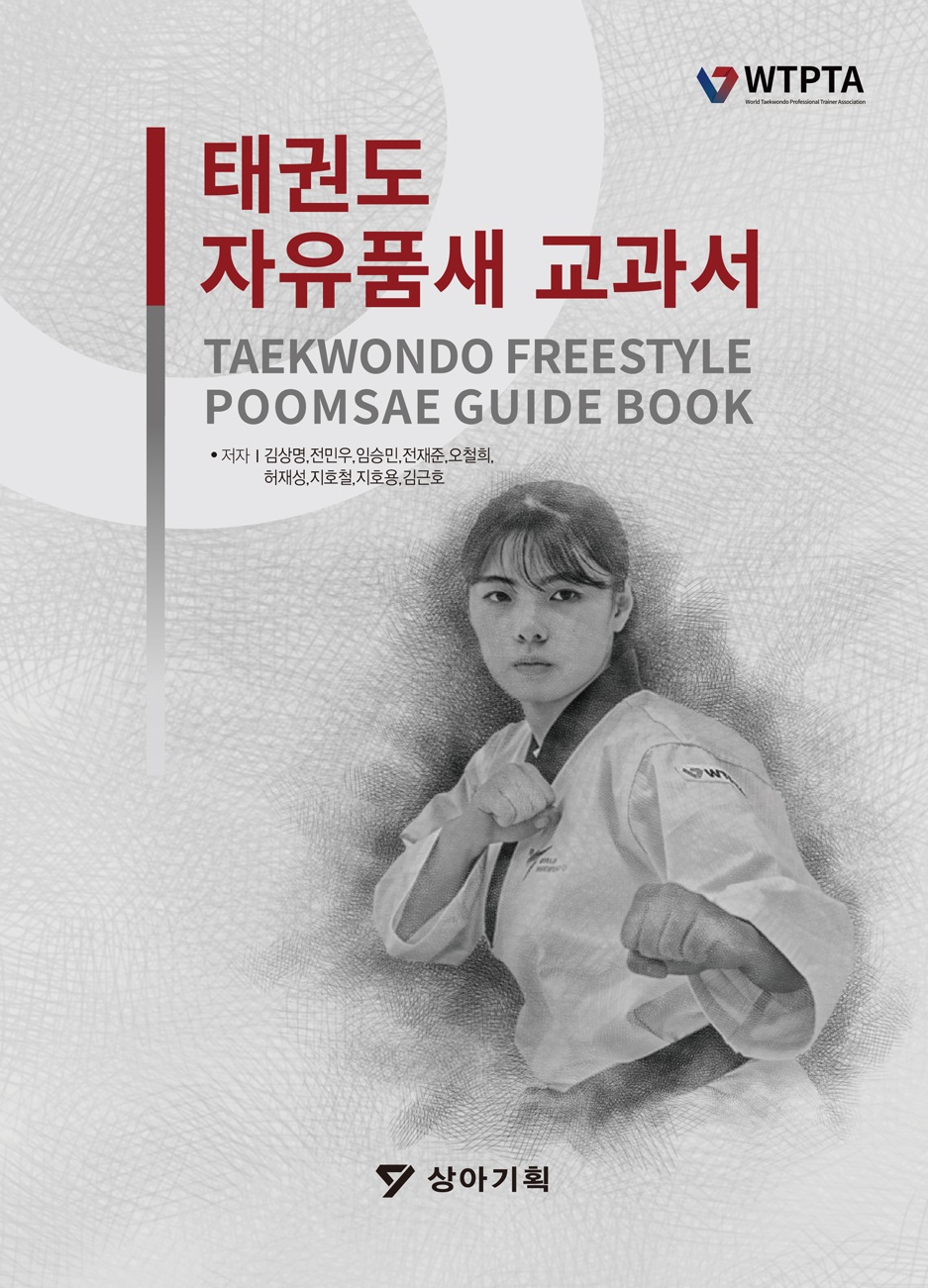
Taekwondo Freestyle Poomsae Guidebook
49,90 €
-
Art.Nr./ISBN: 9791186196281
-
Verlag: Taekwondo Box
-
Seitenzahl: 176
-
Einband: Softcover
-
Jahr: 2023
-
Sprache: English/Korean
-
Medientyp: Book + QR codes fro Videos
-
Autor: WTPTA - World Taekwondo Professional Trainer Association
Auf Lager. Versandfertig in 1-3 Werktagen
Produktinformationen "Taekwondo Freestyle Poomsae Guidebook"
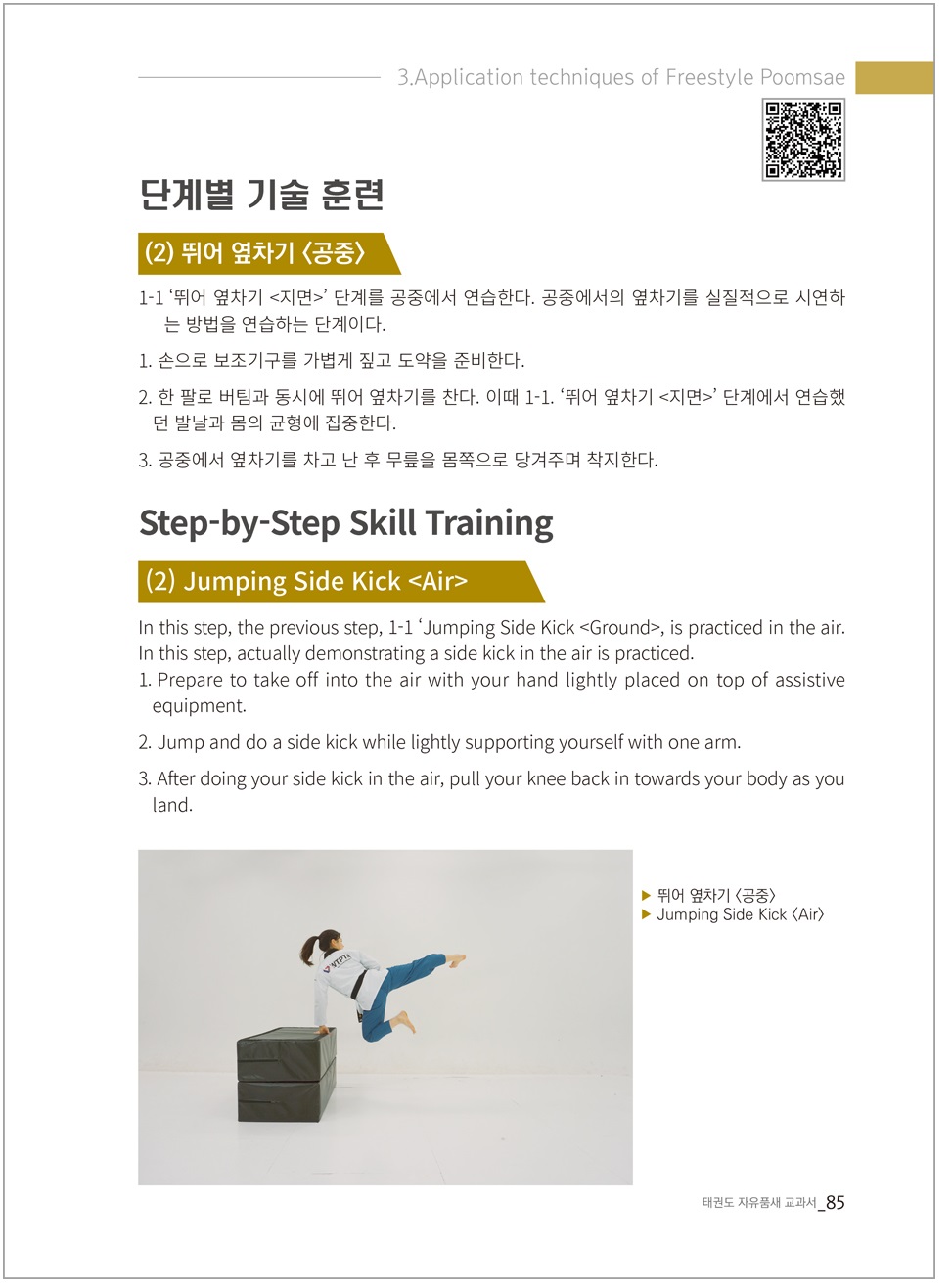
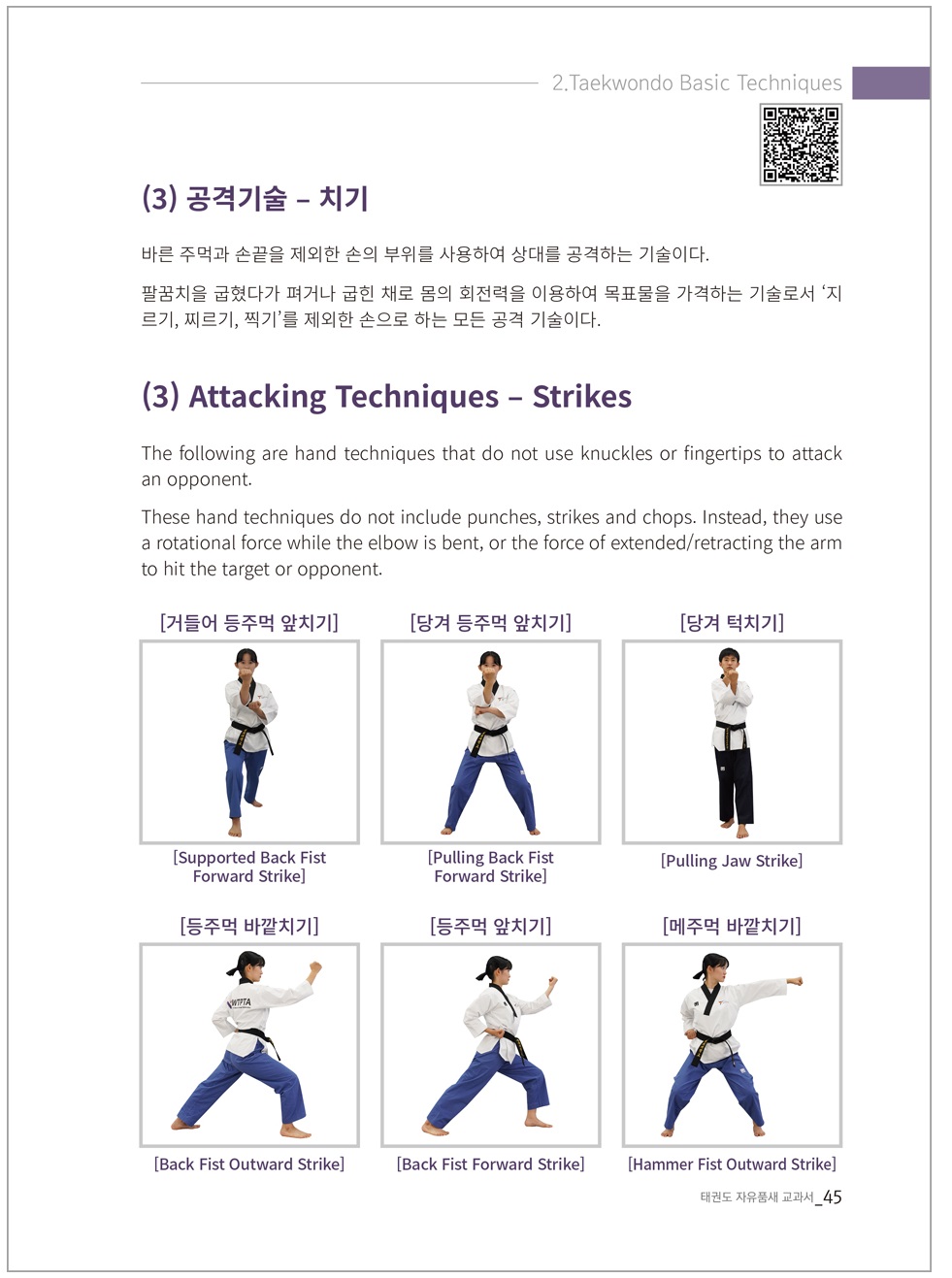
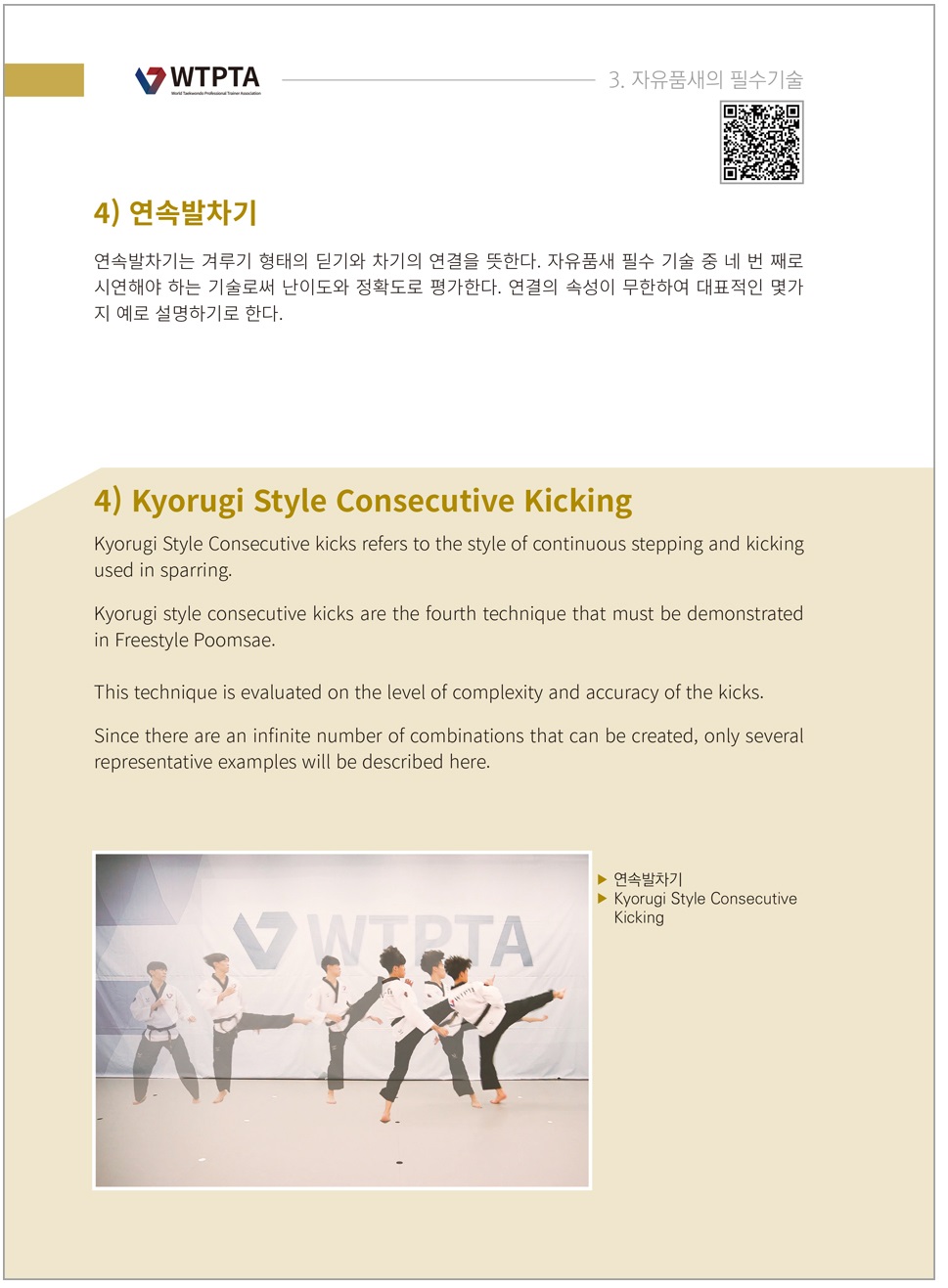
This book contains detailed fotos of the movements and is equipped with QR codes to access videos.
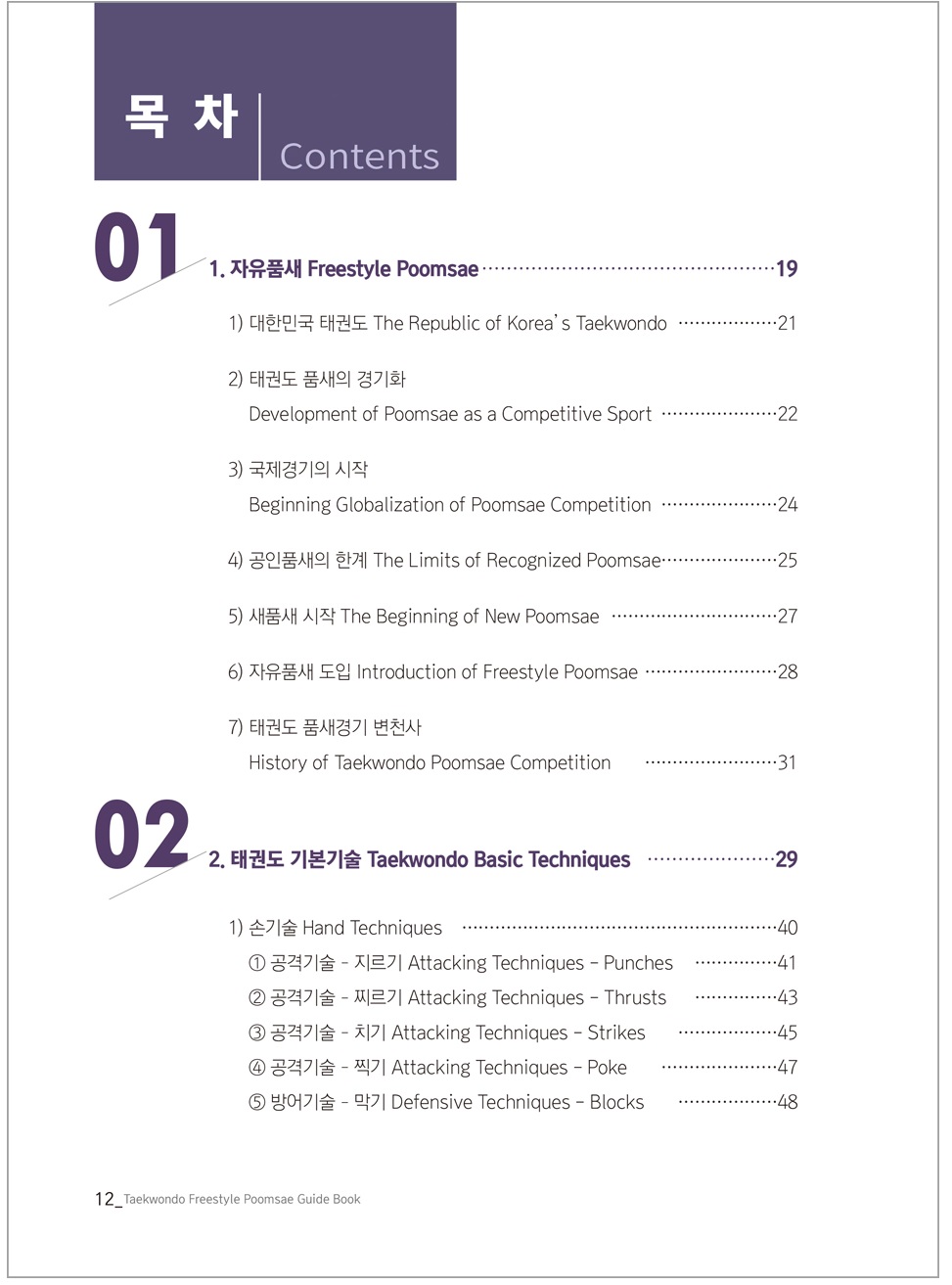
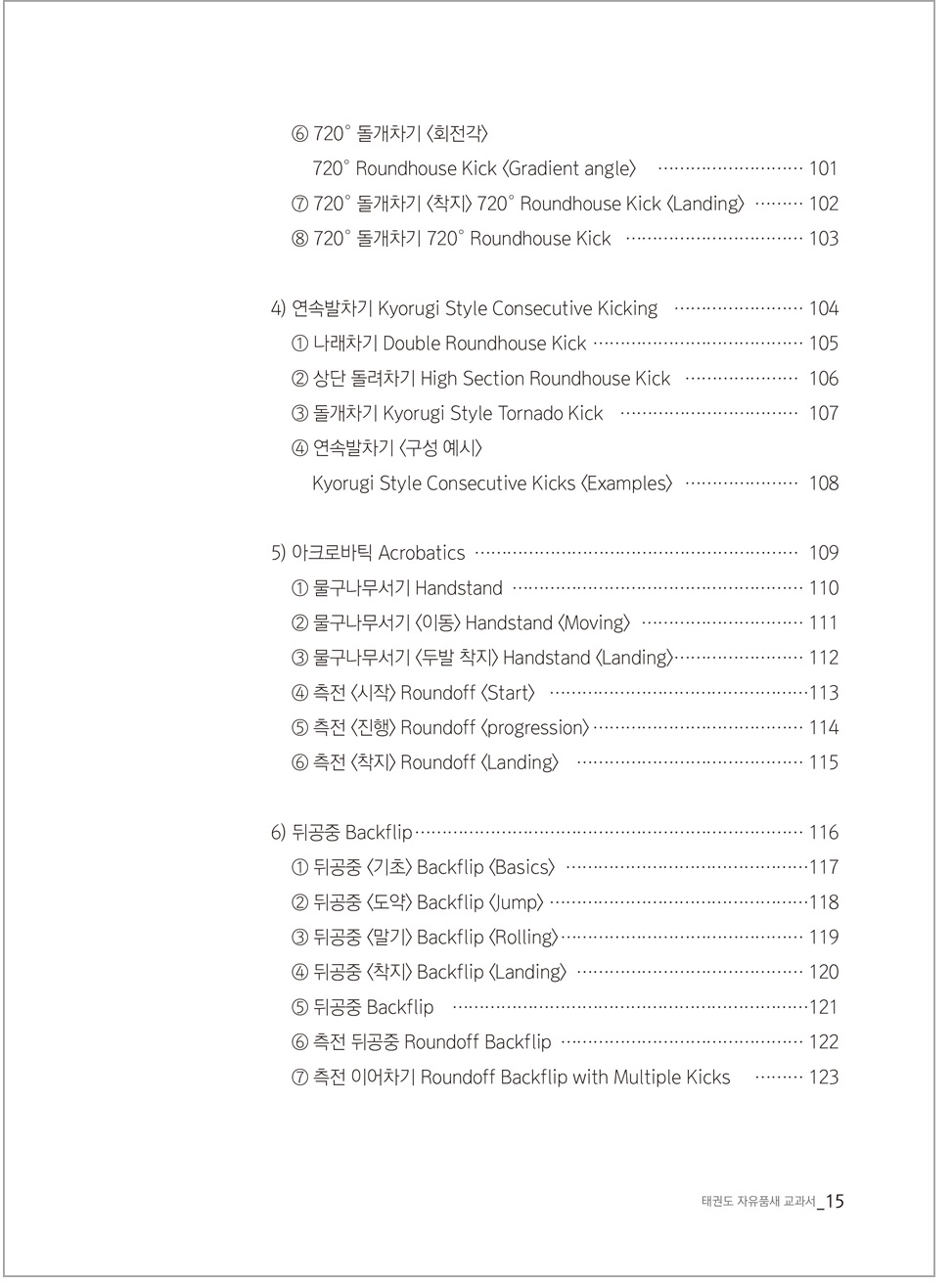
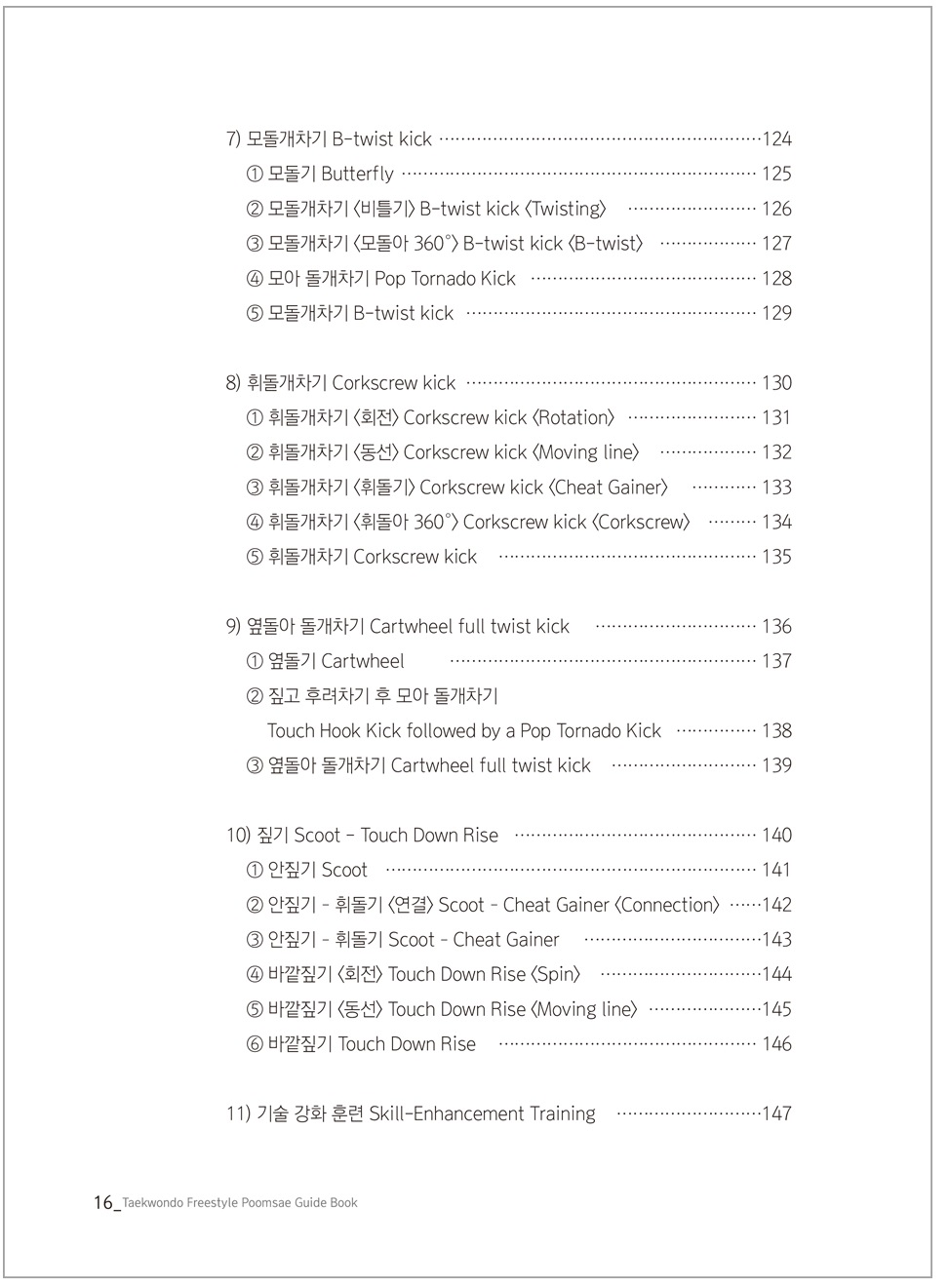
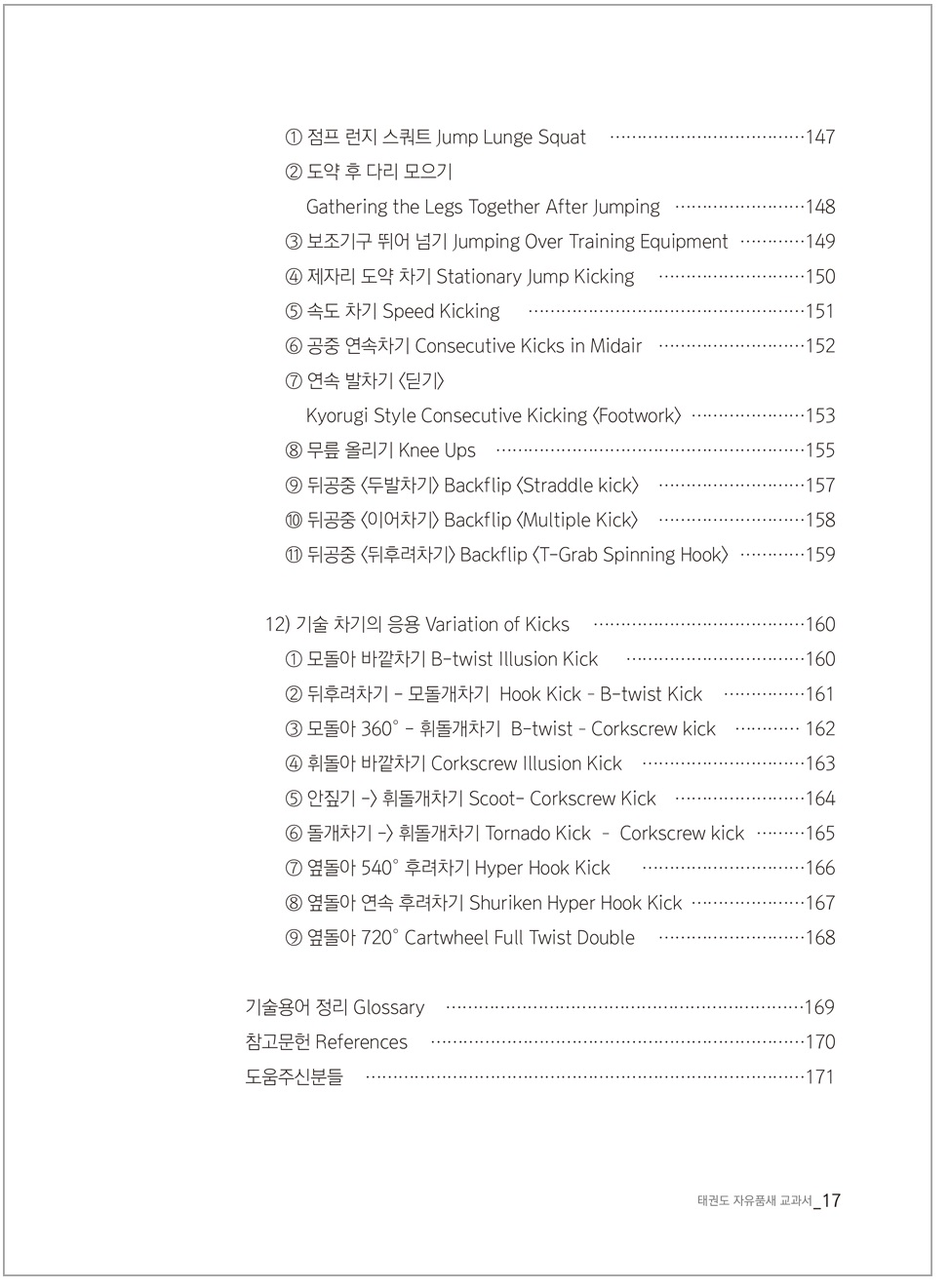
Contents
1. 자유품새 Freestyle Poomsae …………………………………………19
1) 대한민국 태권도 The Republic of Korea’s Taekwondo ………………21
2) 태권도 품새의 경기화
Development of Poomsae as a Competitive Sport …………………22
3) 국제경기의 시작
Beginning Globalization of Poomsae Competition …………………24
4) 공인품새의 한계 The Limits of Recognized Poomsae …………………25
5) 새품새 시작 The Beginning of New Poomsae …………………………27
6) 자유품새 도입 Introduction of Freestyle Poomsae ……………………28
7) 태권도 품새경기 변천사
History of Taekwondo Poomsae Competition ……………………31
2. 태권도 기본기술 Taekwondo Basic Techniques …………………29
1) 손기술 Hand Techniques …………………………………………………40
① 공격기술-지르기 Attacking Techniques - Punches ……………41
② 공격기술-찌르기 Attacking Techniques - Thrusts ……………43
③ 공격기술-치기 Attacking Techniques - Strikes ………………45
④ 공격기술-찍기 Attacking Techniques - Poke …………………47
⑤ 방어기술-막기 Defensive Techniques - Blocks ………………48
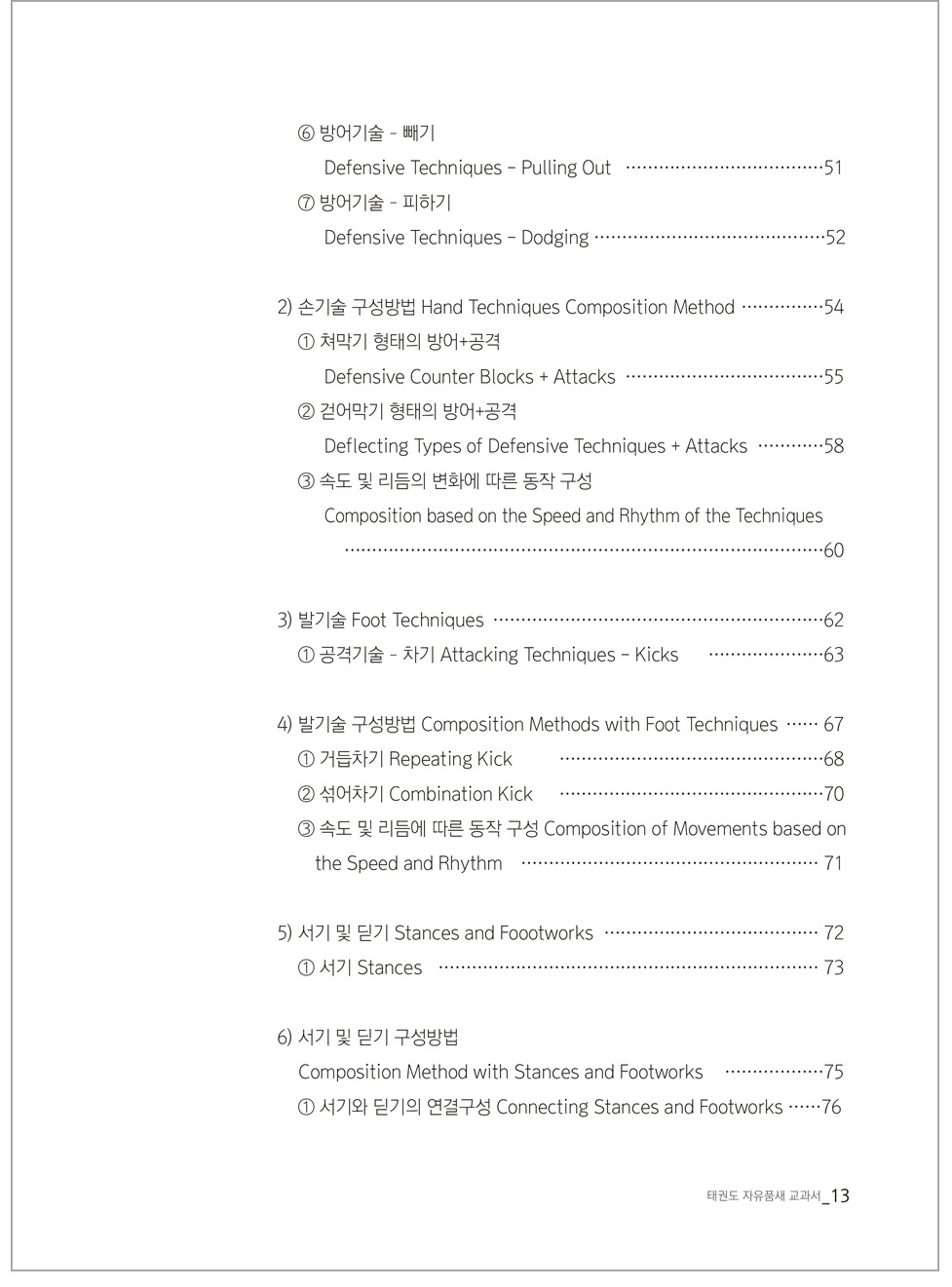
⑥ 방어기술-빼기
Defensive Techniques - Pulling Out ………………………………51
⑦ 방어기술-피하기
Defensive Techniques - Dodging ……………………………………52
2) 손기술 구성방법 Hand Techniques Composition Method ……………54
① 쳐막기 형태의 방어+공격
Defensive Counter Blocks + Attacks ………………………………55
② 걷어막기 형태의 방어+공격
Deflecting Types of Defensive Techniques + Attacks …………58
③ 속도 및 리듬의 변화에 따른 동작 구성
Composition based on the Speed and Rhythm of the Techniques
……………………………………………………………………………60
3) 발기술 Foot Techniques ……………………………………………………62
① 공격기술-차기 Attacking Techniques - Kicks …………………63
4) 발기술 구성방법 Composition Methods with Foot Techniques …… 67
① 거듭차기 Repeating Kick …………………………………………68
② 섞어차기 Combination Kick …………………………………………70
③ 속도 및 리듬에 따른 동작 구성 Composition of Movements based on
the Speed and Rhythm ……………………………………………… 71
5) 서기 및 딛기 Stances and Foootworks ………………………………… 72
① 서기 Stances …………………………………………………………… 73
6) 서기 및 딛기 구성방법
Composition Method with Stances and Footworks ………………75
① 서기와 딛기의 연결구성 Connecting Stances and Footworks ……76
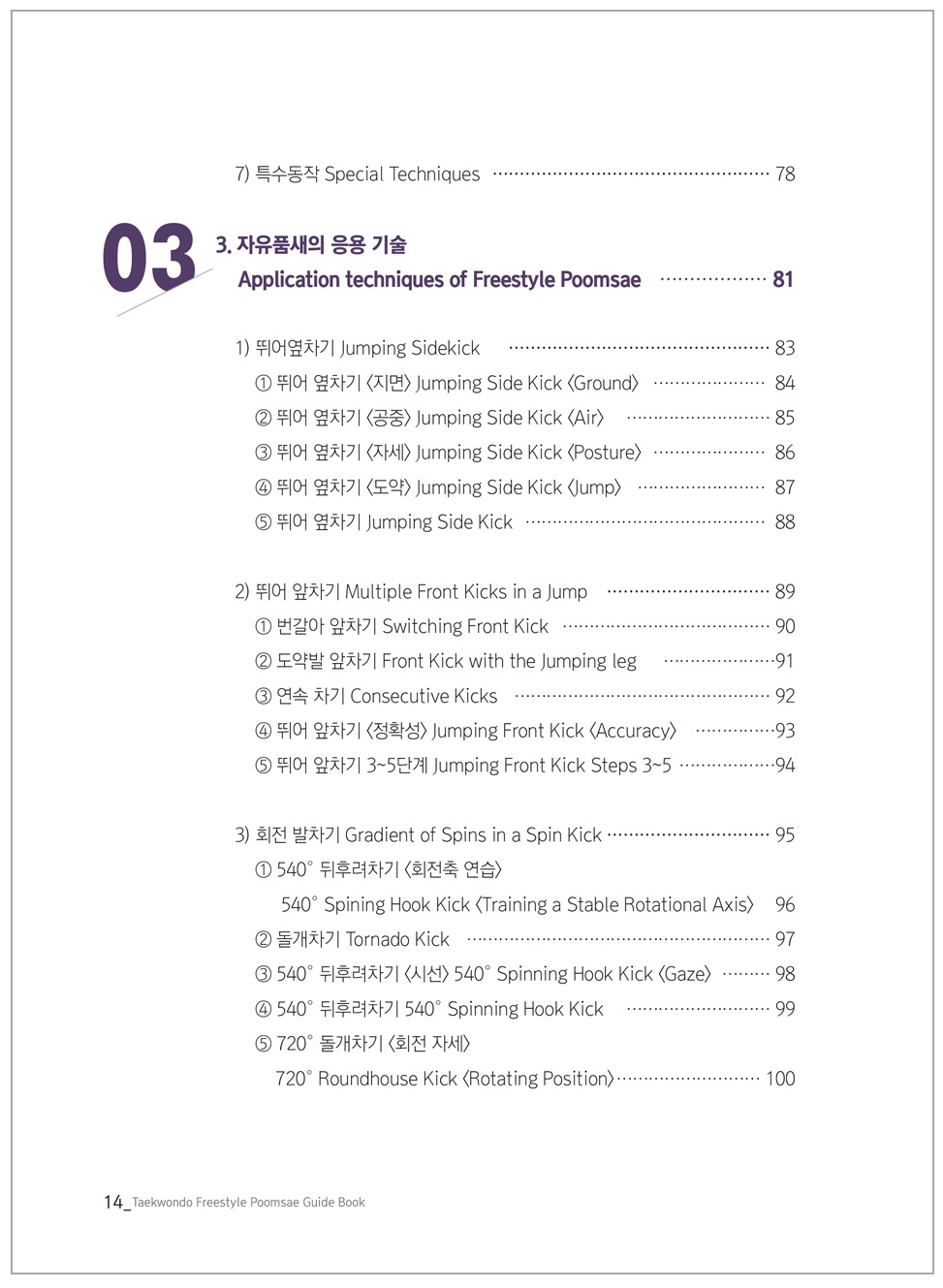
7) 특수동작 Special Techniques …………………………………………… 78
3. 자유품새의 응용 기술
Application techniques of Freestyle Poomsae ……………… 81
1) 뛰어옆차기 Jumping Sidekick ………………………………………… 83
① 뛰어 옆차기 〈지면〉 Jumping Side Kick ………………… 84
② 뛰어 옆차기 〈공중〉 Jumping Side Kick ……………………… 85
③ 뛰어 옆차기 〈자세〉 Jumping Side Kick ………………… 86
④ 뛰어 옆차기 〈도약〉 Jumping Side Kick …………………… 87
⑤ 뛰어 옆차기 Jumping Side Kick ……………………………………… 88
2) 뛰어 앞차기 Multiple Front Kicks in a Jump ………………………… 89
① 번갈아 앞차기 Switching Front Kick ………………………………… 90
② 도약발 앞차기 Front Kick with the Jumping leg …………………91
③ 연속 차기 Consecutive Kicks ………………………………………… 92
④ 뛰어 앞차기 〈정확성〉 Jumping Front Kick ……………93
⑤ 뛰어 앞차기 3~5단계 Jumping Front Kick Steps 3~5 ………………94
3) 회전 발차기 Gradient of Spins in a Spin Kick ………………………… 95
① 540° 뒤후려차기 〈회전축 연습〉
540° Spining Hook Kick 96
② 돌개차기 Tornado Kick ………………………………………………… 97
③ 540° 뒤후려차기 〈시선〉 540° Spinning Hook Kick ……… 98
④ 540° 뒤후려차기 540° Spinning Hook Kick ……………………… 99
⑤ 720° 돌개차기 〈회전 자세〉
720° Roundhouse Kick ……………………… 100
⑥ 720° 돌개차기 〈회전각〉
720° Roundhouse Kick ……………………… 101
⑦ 720° 돌개차기 〈착지〉 720° Roundhouse Kick ……… 102
⑧ 720° 돌개차기 720° Roundhouse Kick …………………………… 103
4) 연속발차기 Kyorugi Style Consecutive Kicking …………………… 104
① 나래차기 Double Roundhouse Kick ………………………………… 105
② 상단 돌려차기 High Section Roundhouse Kick ………………… 106
③ 돌개차기 Kyorugi Style Tornado Kick …………………………… 107
④ 연속발차기 〈구성 예시〉
Kyorugi Style Consecutive Kicks ………………… 108
5) 아크로바틱 Acrobatics …………………………………………………… 109
① 물구나무서기 Handstand ……………………………………………… 110
② 물구나무서기 〈이동〉 Handstand ………………………… 111
③ 물구나무서기 〈두발 착지〉 Handstand …………………… 112
④ 측전 〈시작〉 Roundoff …………………………………………113
⑤ 측전 〈진행〉 Roundoff ………………………………… 114
⑥ 측전 〈착지〉 Roundoff …………………………………… 115
6) 뒤공중 Backflip ……………………………………………………………… 116
① 뒤공중 〈기초〉 Backflip ………………………………………117
② 뒤공중 〈도약〉 Backflip …………………………………………118
③ 뒤공중 〈말기〉 Backflip ……………………………………… 119
④ 뒤공중 〈착지〉 Backflip …………………………………… 120
⑤ 뒤공중 Backflip …………………………………………………………121
⑥ 측전 뒤공중 Roundoff Backflip ……………………………………… 122
⑦ 측전 이어차기 Roundoff Backflip with Multiple Kicks ……… 123
7) 모돌개차기 B-twist kick ……………………………………………………124
① 모돌기 Butterfly ………………………………………………………… 125
② 모돌개차기 〈비틀기〉 B-twist kick …………………… 126
③ 모돌개차기 〈모돌아 360°〉 B-twist kick ……………… 127
④ 모아 돌개차기 Pop Tornado Kick …………………………………… 128
⑤ 모돌개차기 B-twist kick ……………………………………………… 129
8) 휘돌개차기 Corkscrew kick ……………………………………………… 130
① 휘돌개차기 〈회전〉 Corkscrew kick …………………… 131
② 휘돌개차기 〈동선〉 Corkscrew kick ……………… 132
③ 휘돌개차기 〈휘돌기〉 Corkscrew kick ………… 133
④ 휘돌개차기 〈휘돌아 360°〉 Corkscrew kick ……… 134
⑤ 휘돌개차기 Corkscrew kick ………………………………………… 135
9) 옆돌아 돌개차기 Cartwheel full twist kick ………………………… 136
① 옆돌기 Cartwheel ………………………………………………… 137
② 짚고 후려차기 후 모아 돌개차기
Touch Hook Kick followed by a Pop Tornado Kick …………… 138
③ 옆돌아 돌개차기 Cartwheel full twist kick ……………………… 139
10) 짚기 Scoot - Touch Down Rise ……………………………………… 140
① 안짚기 Scoot …………………………………………………………… 141
② 안짚기-휘돌기 〈연결〉 Scoot-Cheat Gainer ……142
③ 안짚기-휘돌기 Scoot-Cheat Gainer ……………………………143
④ 바깥짚기 〈회전〉 Touch Down Rise …………………………144
⑤ 바깥짚기 〈동선〉 Touch Down Rise …………………145
⑥ 바깥짚기 Touch Down Rise ………………………………………… 146
11) 기술 강화 훈련 Skill-Enhancement Training ………………………147
① 점프 런지 스쿼트 Jump Lunge Squat ………………………………147
② 도약 후 다리 모으기
Gathering the Legs Together After Jumping ……………………148
③ 보조기구 뛰어 넘기 Jumping Over Training Equipment …………149
④ 제자리 도약 차기 Stationary Jump Kicking ………………………150
⑤ 속도 차기 Speed Kicking ……………………………………………151
⑥ 공중 연속차기 Consecutive Kicks in Midair ………………………152
⑦ 연속 발차기 〈딛기〉
Kyorugi Style Consecutive Kicking …………………153
⑧ 무릎 올리기 Knee Ups …………………………………………………155
⑨ 뒤공중 〈두발차기〉 Backflip ………………………157
⑩ 뒤공중 〈이어차기〉 Backflip ………………………158
⑪ 뒤공중 〈뒤후려차기〉 Backflip …………159
12) 기술 차기의 응용 Variation of Kicks …………………………………160
① 모돌아 바깥차기 B-twist Illusion Kick ……………………………160
② 뒤후려차기 - 모돌개차기 Hook Kick-B-twist Kick ……………161
③ 모돌아 360° - 휘돌개차기 B-twist-Corkscrew kick ………… 162
④ 휘돌아 바깥차기 Corkscrew Illusion Kick …………………………163
⑤ 안짚기 -〉 휘돌개차기 Scoot- Corkscrew Kick ……………………164
⑥ 돌개차기 -〉 휘돌개차기 Tornado Kick - Corkscrew kick ………165
⑦ 옆돌아 540° 후려차기 Hyper Hook Kick …………………………166
⑧ 옆돌아 연속 후려차기 Shuriken Hyper Hook Kick …………………167
⑨ 옆돌아 720° Cartwheel Full Twist Double ………………………168
기술용어 정리 Glossary …………………………………………………………169
참고문헌 References ……………………………………………………………170
도움주신분들 ………………………………………………………………………171
| Sprache: | englisch, koreanisch, zweisprachig |
|---|
Korean Book Services
Prinzenweg 10
93047 Regensburg
Deutschland
Prinzenweg 10
93047 Regensburg
Deutschland
Anmelden
Ähnliche Titel, Originalfassungen oder Übersetzungen
With SMART POOMSE mobile app using augmented reality technology! Contents The core courses of the KTA Taekwondo Poomsae Classification pool Classification of Taekwondo Poomsae application core system Ⅰ. The essence of Taekwondo Poomsae The essence of Taekwondo Poomsae 1. It is an important nature The importance of the essence 2. The essence of Taekwondo from practice The essence of Taekwondo is rooted in the actual fight 3. The purpose of the Poomsae learning process is to understand the move The purpose of learning the poomsae is to understand body movements Ⅱ. Poomsae the true purpose of learning pool The real purpose of learning the poomsae application 1. Classification of Taekwondo Poomsae Classification of Taekwondo Poomsae 2. The practical utilization of Taekwondo Poomsae Actual fight applications of Taekwondo Poomsae 3. Taekwondo Poomsae of pool configuration system Taekwondo Poomsae application configuration system 4. Poomsae base ball around the pool, learn how to match Poomsae application warming up: Machuo Geyorugi 5. The three core elements of the Poomsae pool Three major elements of the poomsae application 6. base ball, 1,2,3 step understanding of how to match Understanding 1,2,3 steps of Machuo Gyeorugi 7. base ball, Step 1 fist match Machuo Gyeorugi basic step 1 jumeok 8. base ball, Steps 2 match Knife hand Machuo Gyeorugi basic step 2 sonnal 9. Basic three-step method the ball (hand techniques to prevent in accordance Machuo Gyeorugi basic step 3 hand defence technique Ⅲ. Stipendiary Poomsae pool Kup-grade Poomsae application 1. Poomsae Taegeuk 1 Taegeuk 1 Jang Poomsae 2. Chapter 2 Taegeuk Poomsae Taeguek 2 Jang Poomsae 3. Poomsae Taegeuk Chapter 3 Taeguek 3 Jang Poomsae 4. Chapter 4 Poomsae Taegeuk Taeguek 4 Jang Poomsae 5. Poomsae Taegeuk 5 Taeguek 5 Jang Poomsae 『KTA 태권도 품새 풀이』는 품새 동작이 가진 실전에서의 의미와 그 활용을 수련할 수 있도록 태권도 품새의 실전성, 무도성, 다양성 등을 풀이하고 해석해 놓은 책이다. 3년간 집필하면서 태권도 원로들에게 감수하여 수정 보완하였고 KTA 전문지도자 과정(2014년), KTA 태권도 교육박람회(2015년), KTA 사범 실무교육(2015, 6년)의 강의를 통해 교육 콘텐츠로써도 검증을 받고 총 6년의 집필과정을 거쳤다. 특히 한글과 영어로 동시에 집필하였으며 더 자세한 동작을 설명하기 위해 동영상으로도 볼 수 있도록 함으로써 품새를 다각적으로 연구할 수 있는 기폭제 역할을 하게 될 것이다.
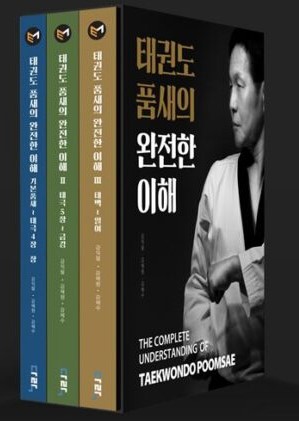
Grandmaster Kang's Complete Understanding of Taekwondo Poomsae (3 Vols) 3-book set Book 1: 360 pages Book 2: 433 pages Book 3: 461 pages

K-문화에 대한 관심이 전 세계적으로 증폭하면서 한국어 학습자 또한 급격히 증가하고 있습니다. 국내에서는 대학 내 국제한국어센터를 중심으로 외국인 유학생, 외국인 근로자 등의 유입이 늘어났고, 국외에서는 베트남에서 한국어를 제1외국어로, 터키와 인도, 홍콩, 러시아 등지에서는 한국어를 제2외국어로 채택했습니다. 이에 따라 한국어 교사에 대한 수요 역시 폭발적으로 늘어나고 있습니다. 한국어 관련 정책을 수립하는 국립국어원에서는 ‘국외 한국어교원(K-티처) 프로그램’을 운영하며 한국어 교사 양성에 주력하고 있고, 세종학당재단을 위시한 문체부 및 외교부와 법무부 산하 여러 기관 및 단체에서 이들 다양한 학습자 군을 위한 한국어 교사 교육 프로그램을 적극적으로 운영하고 있습니다. 이 책은 한국어교육 시장의 근래 변화에 주목하며, 한국어 교사로서 교실 수업에서 마주할 학습자들의 질문에 제대로 대응할 수 있도록, 한국어교육 경력 30여 년 이상인 한국어교육학자들과 한국어학자들이 최적의 교수법으로 답한 책입니다. 특히 필자들이 재외동포재단에서 ‘재외 한글학교 교사를 위한 온라인 연수 프로그램’을 운영하며 현장 교사들의 어려움을 설문으로 받아 기획한 내용이어서, 원활한 한국어 교실 수업을 운영할 효과적인 답을 제공한 현장 중심의 책입니다. 한국어 교사들은 이 책을 통해 한국어교육 현장에서의 수업 방식을 연구할 수 있을 뿐만 아니라, 한국어 학습자들이 정확한 이해에 도달할 모범 답안을 공유할 수 있습니다. "현재 한국어 교사로 일하고 있거나 한국어 교사가 되기 위해 준비하고 있는 예비 교사를 위해 마련한 책이다. 한국어 교사들이 교육 현장에서 자주 부딪히는 문제지만, 기존의 이론 문법서에서 쉽게 답을 찾기 어려운 문제들을 중심으로 내용을 구성하였다.”- 머리말 중에서

최근 케이팝(K-pop)과 케이 콘텐츠(K-contents)의 세계적 관심에 힘입어 한국어 학습의 동기와 목적이 다양해졌습니다. 취미로 한국어를 학습하는 층에서부터 학문 혹은 연구 목적 및 졸업 후 진로와 관련하여 한국어를 학습하는 층에 이르기까지 그 수 또한 눈에 띄게 증가하고 있습니다. 이는 북미와 아시아뿐 아니라 유럽·호주·뉴질랜드 등 전 세계적으로 나타나는 현상으로, 이를 통해 한국어 교육이 세계적으로 활성화되고 있음을 알 수 있습니다. 한국어 전공·부전공 학습자가 증가하고, 한국 문화와 한국 역사에 관한 관심이 상승했다는 점도 특기할 만합니다. 《역사 인물로 배우는 한국어》는 문화 능력 중심의 외국어 교수법에 따라 기획된 책으로, 현재 교실 및 교실 밖에서 학생들이 크게 관심을 갖고 있는 테마에 따라 한국어와 한국 문화 이해에 유의미한 인물들을 선별하여 소개합니다. 나아가 이들의 삶과 업적을 비평적으로 다룸으로써 한국어와 한국 문화의 지식적 이해에 머물지 않고 지역적·세계적으로 균형 있는 시각으로 이끕니다.Thanks to the rising global interest in K-pop and K-contents, more people around the world are learning Korean than ever before. Their motivations vary from pursuing it as a hobby to engaging in research and academic studies or even advancing their careers. Whatever the interest may be, the overall number of Korean learners is growing at a noticeable pace. This phenomenon is observed in North America and Asia as well as in Europe, Australia, and New Zealand, indicating that Korean language education is gaining momentum worldwide. Also remarkable is the fact that the surge in students majoring or minoring in the Korean language is concurrent with the growing interest in Korean culture and history. In response to the enthusiasm, THE FAMOUS PEOPLE IN KOREAN HISTORY was designed to offer culture-oriented language teaching methods. It features a curated selection of historical figures organized by six themes that align with students’ interests inside and outside the classroom. Each story is chosen to enrich the learning experience of Korean learners across the world. By critically examining the historical figures’ lives and achievements, the book aims to foster a balanced perspective encompassing both a fact-based understanding of language and culture as well as historical knowledge within and outside of Korea.“우리가 지금 쓰는 말들은 모두 역사 속에서 만들어진 결과물입니다. 따라서 이 책에 나오는 어휘들을 통해 단어 실력과 문장력을 향상시킬 수 있고, 그 과정에서 한국 역사에 대하여 좀 더 재미있게 이해할 수 있을 것입니다.부디 많은 분들이 이 책을 통해 한국의 역사 인물도 배우고, 한국어 어휘와 문장에 대한 이해력을 높이기를 바랍니다. 나아가 한국 문화의 이해와 함께 폭넓은 시선으로 세상을 바라볼 수 있기를 바랍니다.“ -주진오(상명대학교 역사콘텐츠학과 명예교수)“The words we use today all have historical origins. The vocabulary introduced in this book will help you improve your choice of words and sentence structure while also learning fun facts about Korean history. Our hope is that through this book, you will learn about Korean historical figures and expand your range of Korean vocabulary and sentences. Lastly, we wish that you will further cultivate a broader perspective of the world along with the Korean culture.”- Chu Chinoh (Emeritus Professor, Department of Korean Historical Content, Sangmyung University)

세계적인 한국어 학습 열풍과 함께 중급 이상 학습자들의 수가 늘어나면서 한국어의 일부로서 한자어 학습의 필요성이 절실해지고 있습니다. 이 책은 사자성어를 통해 한국어에서 한자어의 쓰임을 효과적으로 학습할 수 있는 교재로서, ‘국제 통용 한국어 표준 교육과정’에서 선정한 사자성어들과 국립국어원의 ‘한국어교수학습샘터’에서 제시하는 관용 표현으로서의 사자성어들 중 공통된 사자성어를 우선 선별하여 총 176개의 필수 사자성어를 다루고 있습니다. 이들 사자성어는 양태와 주제에 따라 과별로 4개씩 묶어 제시됨으로써, 학습자들은 유사한 상황에서 사용되는 사자성어들을 연관지어 배울 수 있습니다. With the global surge in Korean language learning and the increasing number of intermediate and advanced learners, the importance of incorporating Sino-Korean words into Korean language education has become crucial. Essential Korean 4-Character Idioms is an effective learning material for understanding the usage of Sino-Korean words within the Korean language through four-character idioms. It covers a total of 176 essential four-character idioms, primarily selected from the common idioms listed by the ‘International Standard for Curriculum Korean Language’ and the ‘Center for Teaching and Learning Korean’ of the National Institute of Korean Language. These idioms are presented in groups of four per chapter, categorized by modality and theme, allowing learners to associate related expressions used in similar situations.

『속담을 알면 한국어가 쉬워진다』는 한국인들이 일상에서 흔히 사용하는 200개의 속담을 이해하기 쉽게 정리한 책이다. 속담의 실제 의미는 물론이고, 비슷한 영어 표현과 어떤 점에서 비슷하고 혹은 같은지를 알 수 있도록 체계적인 단계의 연습 문제도 마련했다. 또한 한국인들의 일상 대화를 지문으로 구성해 한국인들이 어떤 상황에서 속담을 사용하는지 자연스럽게 익힐 수 있게 했다.책에 실린 대화문은 음성 파일로 들을 수 있고 무료로 다운로드 받을 수 있다. 『Essential Korean Proverbs』 is a book that summarizes 200 proverbs commonly used by Koreans in their daily lives in an easy-to-understand way. We have prepared a systematic level of practice tasks so that you can learn the actual meaning of the proverb as well as how similar to a corresponding English expression it is. Moreover, by adding examples of daily conversations in Korean, you can naturally learn in which situations Koreans use certain proverbs.*Scan the QR codes in the book to use accompanying audio files.
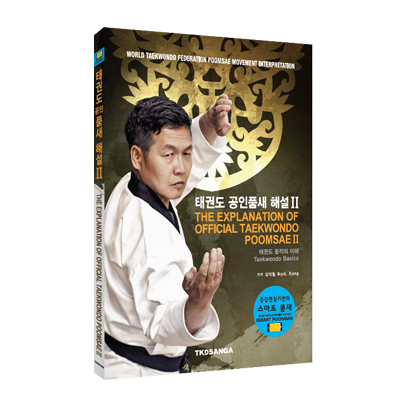
Die neue Ausgabe des offiziellen Taekwondo Lehrbuchs der World Taekwondo Federation INKLUSIVE QR CODE Video links im BuchPoomsae Movement InterpretationDieses Buch beschreibt anschaulich alle Poomsae von Taeguk 1 Jang bis Ilyeo und ist ein wertvolles Hilfsmittel bei Prüfungs- und Turniervorbereitung und ein verlässliches Nachschlagewerk für Trainer, Wettkämpfer und Schiedsrichter.- mit "augmented reality" Übungsbeispielen: App für Videounterstützung verfügbarEinfach kostenlose App downloaden und alle Formen auf dem Smartphone anschauen! - farbige Schritt-für-Schritt Abbildungen aller Bewegungsabläufe- spezielle "dreimensionale" Darstellungsweise- exakte Darstellung der Bewegungen durch Weltmeister Nam-jung Song und Ik-pil Kang.- zweisprachig: Englisch und Koreanisch INHALT / CONTENTS * 태권도 동작의 이해 Taekwondo Basics 서기 Seogi / 딛기(걷기) Walking / 돌아딛기(방향전환) Turning 팔 쓰기 How to use arm / 몸 쓰기 How to use the body / 차기 Kicking 시선 Eyes / 호흡 Breath / 강유 Dynamics / 완급 Speed / 평상심 Mind-control 중심이동 The center of body / 힘의 사용 Power * WTF 규정 동작 WTF Poomsae Movement Interpretation 서기 Seogi / 막기 Makkgi / 지르기 Jireugi 차기 Chagi / 치기 Chigi / 찌르기 Tzireugi 태극1장 Taegeuk 1 jang 태극2장 Taegeuk 2 jang 태극3장 Taegeuk 3 jang 태극4장 Taegeuk 4 jang 태극5장 Taegeuk 5 jang 태극6장 Taegeuk 6 jang 태극7장 Taegeuk 7 jang 태극8장 Taegeuk 8 jang 고려 Koryo 금강 Keumgang 태백 Taebaek 평원 Pyongwon 십진 Sipjin 지태 Jitae 천권 Chonkwon 한수 Hansu 일여 Ilyeo
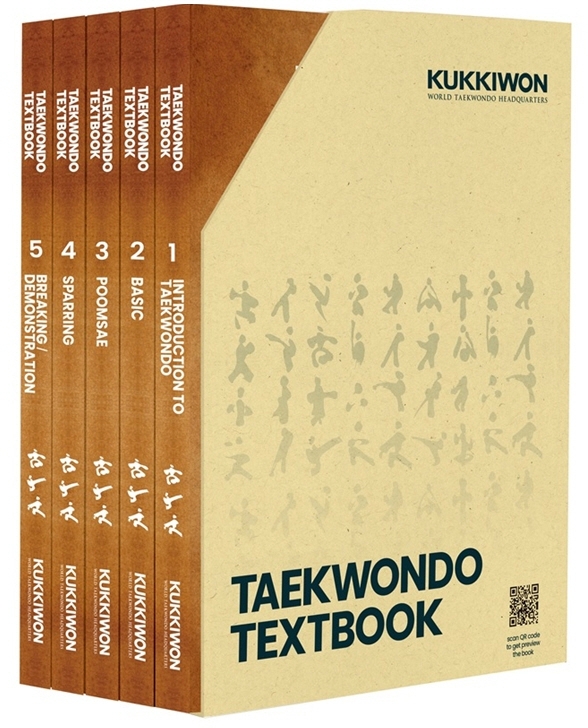
Kukkiwon published these Taekwondo textbooks for the first time in 16 years to commemorate the 50th anniversary of its opening. Volume 1: Understanding of Taekwondo (247 pages) Volume 2: Basics (196 pages) Volume 3: Poomsae (280 pages) Volume 4: Gyeorugi (Sparring) (171 pages) Volume 5: Gyeokpa (Breaking) and Demonstration (182 pages)). The textbooks are a completely revised edition after its first publication in November 1987 in commemoration of the 15th anniversary of the opening of Kukkiwon, and its supplementary edition in September 2005. Compared to the previous supplementary edition (a single volume in 789 pages in total), the newly issued textbooks have been greatly increased to 5 volumes in 1,076 pages in total covering overall theories and techniques related to Taekwondo (Volume 1: Understanding of Taekwondo (247 pages), Volume 2: Basics (196 pages), Volume 3: Poomsae (280 pages), Volume 4: Gyeorugi (Sparring) (171 pages), and Volume 5: Gyeokpa (Breaking) and Demonstration (182 pages)). The textbooks specify the history and spirit of Taekwondo more concrete in the theoretical aspect, and systemize the principles of Taekwondo movement, Gyeorugi, Gyeokpa, and demonstration techniques in the technical aspect. The new edition further enhances accessibility by publishing e-book version with QR codes embedded in order to make videos playable in a mobile environment. Taekwondo Research Institute of Kukkiwon has propelled the ‘Taekwondo Textbook Research Project’ since 2020 in order to start compiling the Taekwondo textbooks in full swing based on about 70 research materials on history, spirits, and techniques of Taekwondo that had been published since the establishment of the institute in 2006. Starting with setting up the basic direction of the Taekwondo textbooks and the formation of the compilation committee since March last year, the institute carried out the planning process for about 3 months to establish concepts and the technical system, classify areas, and analyze the existing Taekwondo textbooks. Then, it spent another 6 months on writing the textbook, including drafting the manuscript, conducting feasibility studies, and establishing the core technical unit system for each areas of Taekwondo. In addition, certain necessary parts were reviewed after collecting opinions through the online and offline public hearing held on September 10 last year. By December, manuscript was finalized and supplemented with videos and images, and then Taekwondo textbook compilation was completed at long last. President Lee Dong-sup of Kukkiwon said, “One of the long-awaited projects of the Taekwondo community has been accomplished. This fully revised version of the textbooks will serve as a must-read guide for all Taekwondo practitioners.” Then, he added, “We will continue to gradually revise the Taekwondo textbooks by collecting opinions from the field and academia, and conducting researches.”Table of Contents Volume 1 Understanding Taekwondo by Song Hyung-seok, Kim Young-sun, Lim Tae-hee Chapter 1. Meaning of Taekwondo 1. Definition of Taekwondo 2. The realm of taekwondo 3. The value of Taekwondo Chapter 2. History of Taekwondo 1. Understanding Taekwondo History 2. Tradition of Taekwondo, Korean bare-handed Martial Artists (Ancient~1945) 3. Modern Taekwondo History Chapter 3. Spirit of Taekwondo 1. Philosophical Background of Taekwondo Spirit 2. The spirit of taekwondo 3. Taekwondo's Top Five Virtues 4. The Human Image of Taekwondo Volume 2. Basics by Choi Chi-sun, Lee Dong-hak Chapter 1. Body and Exercise Principles 1. Body 2. The principle of motion Chapter 2. Taekwondo Terms and Technology System 1. Taekwondo Terms 2. Taekwondo Technology System and Training Area System Chapter 3. Taekwondo Skills 1. Basic Movements and Basic Techniques of Taekwondo 2. Types of Taekwondo Techniques Appendix. List of Taekwondo Skills Volume 3 Poomsae by Kang Ik-pil and Jung Tae-sung Chapter 1. Understanding Poomsae 1. The Concept of a Poomsae 2. Composition of the Poomsae 3. Type of Poomsae 4. Poomsae Water Lily 5. The Orientation Symbol of a Line of Goods Chapter 2. The Real Life of Poomsae 1. A Paid Household Account 2. Oil Terminal Poomsae Volume 4. Gyeorugi (Sparring) by Yang Dae-seung, Kim Ok-sung Chapter 1. Understanding Gyeorugi 1. Concept of Gyeorugi 2. Principle of Gyeorugi 3. Type of Gyeorugi Chapter 2. The Reality of Self-Defense 1. Self-Defense Preparation 2. Basic Technology 3. Game of Matching 4. Special Game Chapter 3. The Actuality of the Game 1. Preparation for a Contest 2. Basic Technology 3. Applied Technology 4. Tactics Volume 5. Gyeokpa (Breaking) and Demonstration by Jang Kwon and Kwak Taek Yong Chapter 1. Understanding Gyeokpa 1. Concept of Gyeokpa 2. Principle of Gyeokpa 3. A Breaking Drill Chapter 2. The Realities of Gyeokpa 1. A Force-Busting Wave 2. Technological Breakthrough 3. Breaking Gripping and Subsidiary Methods Chapter 3. Understanding the Demonstration 1. Concept of a Demonstration 2. Principles of the Construction of a Demonstration 3. Type of Demonstration 4. Demonstration Training Chapter 4. The Actuality of the Demonstration 1. Planning and Implementing the Demonstration 2. Configuration of a Pilot Program