- Korean with K-Pop
- Han Kang
- Books in German
-
Books in English
- LEARN KOREAN
- Architecture
- Photobooks
- Nature & Wildlife
- History
- Society
- Children's Books
- Cooking
- Koreanisches Kino
- Arts and Culture
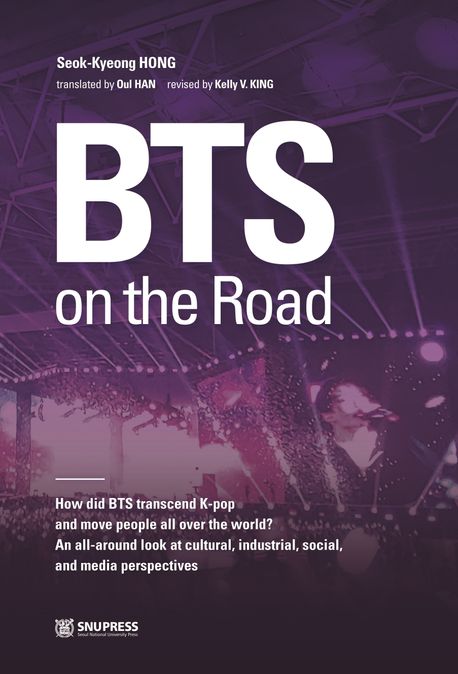
- K-Pop & Music
- Maps & Atlases
- Literature
- Handbooks & Reference
- North Korea
- Politics & Economy
- Travel Literature
- Religion & Philosophy
- Taekwondo
- Bilingual: Korean / English
- Books in Korean
- Dictionaries
- SPECIAL SALE
- Gifts for Readers & Writers
Korean Arts and Culture
Filter products
Mängelexemplar: Kleberückstand auf Schutzumschlag vorne, Ansichtsexemplar in gutem Zustand Damaged Copy: Adhesive residue on the front of the dust jacket; review copy in good condition Mind Only: Essence of Zen is a photographic journey to Korea's hidden sites of Zen Buddhism. Beautifully photographed, the book shows pictures, panoramic views as well as glimpses of detail, of many of Korea`s less known Buddhist temples. On this journey the reader can stop at points of interest and browse through carefully selected examples of Korean Zen literature. The combination of text and photograph makes for a singular reading experience which leaves enough room for everyone's personal insights into the teachings of Zen. Cover text Zen was first introduced to the Korean peninsula directly from T'ang China during the 7th Century which means that Zen in Korea considerably pre-dates its better known Japanese counterpart. During its 1400 year history, the down-to-earth but hitherto largely unrecognized Korean Zen tradition has produced a plethora of eminent Zen masters. "Mind Only" combines beautiful photographic images of historic Korean Temples with selected teachings, aphorisms and poems of renowned Zen masters to present an authentic portrait of the Korean Zen tradition. The provocative and insightful sayings of these great teachers are a delightful counterpoint to the evocative images on every page, and provide fresh and original material for those seeking to deepen their understanding of Zen.
“The Lives and Stories of the Nameless People Behind the Splendor of the Palace” A Hidden World Behind the SplendorBehind the grand halls, elegant rooftops, and royal magnificence of the palace lay another world-one largely unknown. This book explores the palace as a place sustained by countless invisible hands: organizing documents, preparing food, and crafting garments. It reveals the roles of these individuals and the intricate system they built and refined over generations.The King’s Day and Those Who Moved ItThe king’s daily routine was more than a personal schedule-it symbolized the order of the nation. From the moment he awoke, through study, court assemblies, and rituals, every aspect of his day followed Confucian principles. His daily life embodied the values and governing philosophy of Joseon society. Following the king from dawn, this book presents a vivid portrait of palace life while illuminating how court ladies, eunuchs, and officials worked in coordination to sustain both the royal household and the state.A Refined System and Hidden TensionsThe palaces of Joseon were not merely royal residences, but living systems where politics, ritual, and daily life coexisted. From the king’s meals and attire to the delivery of royal commands, everything was governed by strict rules and procedures. Beneath the elegance lay constant tension and responsibility, where even the smallest mistake was unacceptable, and the palace operated on unwavering order.The Stories of Those Hidden in HistoryBehind the palace stood countless individuals-court ladies, eunuchs, royal secretaries, cooks, and artisans-each playing a vital role in sustaining the king’s life and the workings of the state. Their expertise and dedication, from preparing meals and safeguarding the king’s health to delivering commands and keeping records, kept the palace running. Through this book, the lives of those often absent from official records are brought vividly to life. Their devotion, sacrifice, and humanity transform the palace into a living space rather than a mere structure.A New Way to See the PalaceFollowing the king’s daily routine, this book shines a light on the people who brought the palace to life. Through the stories and presence of those who existed beyond its splendid architecture, it reveals how the palace functioned as a living entity. Readers will come to see that the palace is not simply a historic structure, but a world shaped and sustained by people. About the Author Kim Hyunjung graduated from Ewha Womans University with a degree in Korean Language and Literature and completed a master’s program in Korean language education at Sungkyunkwan University’s Graduate School of Education. She has worked as a broadcast writer, producing current-affairs and cultural programs centered on history, everyday life, and human stories, including KBS 1TV’s Documentary Insight – The Big Team and the TVING original documentary series Food Chronicle and Human Chronicle. In her first book, Living Palaces, she draws on a narrative sensibility cultivated through her experience as a middle and high school Korean language teacher, as well as her work in publishing, writing, and magazine editing, to vividly portray the lives and roles of the people who sustained Korea’s royal palaces, offering a compelling glimpse into the richness of Korean royal culture.
“The cultural code behind the global phenomenon of K-pop.”The Secret Behind a Global PhenomenonK-pop has captivated the world with its infectious energy, powerful performances, and devoted global fandom. But what lies beneath its success? The Korean Groove traces the roots of K-pop beyond modern pop culture, revealing the deep cultural foundations that have shaped its distinctive sound, rhythm, and spirit. By looking beyond the surface, the book invites readers to see K-pop not as a sudden trend, but as the result of a long cultural evolution.Emotions That Shape a NationAt the heart of Korean culture are powerful emotional currents—han (deep sorrow), heung (joyous excitement), jeong (affection), and uiri (loyalty). These emotions, formed through Korea’s complex history, are not abstract ideas but lived experiences that continue to shape artistic expression. The book explores how these sentiments are embedded in music, performance, and communal life, revealing how emotional depth and contrast create Korea’s unique cultural energy.From Tradition to Global StageFrom pansori and arirang to mask dance dramas, folk games, and festivals, Korea’s traditional arts have long combined music, movement, and storytelling into immersive communal experiences. These traditions, rich with rhythm and participation, form the cultural DNA that continues to resonate in today’s K-pop performances, concerts, and fan culture. By drawing these connections, the book shows how tradition is not separate from modern culture, but actively lives within it.The Power of Participation and ConnectionOne of the defining features of Korean culture is participation—the blurring of boundaries between performer and audience. Whether through collective singing, street cheering, or traditional performances, people come together to share emotion and energy. This spirit of unity is a key force behind the global appeal of K-pop, transforming audiences into active participants rather than passive spectators.A New Way to Understand K-PopMore than a music genre, K-pop is the culmination of centuries of cultural expression and emotional heritage. By uncovering the connections between tradition and modernity, The Korean Groove offers readers a deeper understanding of why Korean culture resonates so powerfully around the world—and why its influence continues to grow. It ultimately reframes K-pop as a cultural language that speaks across borders.About the AuthorKim Kwanghee received his Ph.D. in Literature from Korea University. He currently serves as the Head of the Korea Heritage Agency, Royal Palaces and Tombs Project Department and, as a Cultural Heritage Specialist at the Korea Heritage Service, participates in human heritage research. He also teaches intangible cultural heritage and traditional performing arts at the Korea National University of Cultural Heritage, Sungkyunkwan University, and Dongguk University, and works as a Baltal (Foot Mask Theater) educator, continuing the tradition of traditional arts.He seamlessly navigates the traditional and contemporary world, conveying the essence of Korean culture and its divine energy. Through his writings and lectures, he explores the diverse and accessible aspects of the Korean Wave, from the exploration of traditional folk songs in K-pop to the exploration of traditional Korean music, offering readers a fresh and engaging experience. Contents Prologue10 Old Emotions, a New Stage12 Glossary of Korean Sentiments12 Definitions13 The Repressed Sorrow of Han, the Fiery Anger of No14 The Unwavering Loyalty of Uiri, the Deep Affinity of Jeong16 The Lively Cheer of Heung, the Joyous Exhilaration of SinmyeongSecret Code 1 | Songs20 Washing Away Sorrow with Exhilaration20 Songs that Heal Me and Comfort You: The Traditional Korean Epic Chant of Pansori26 The Song of a Nation, Blooming Across the Land of Korea: Arirang33 As Slowly as Possible, as Quickly as Possible: Gayageum Sanjo and Byeongchang38 A Magic Spell to Make Even Farming Feel Joyful: NongyoSecret Code 2 | Dance42 Reconciling Han Through Sinmyeong42 A Dance of Liberation Underneath the Full Moon: Ganggangsullae48 Delicate Hand Gestures that Comfort Our Hearts: Salpurichum53 The Solemn Dance of Cheoyong, the Son of the Dragon King: Cheoyongmu59 Beauty Blooming in Self-Restraint: Seungmu65 A Royal Dance to Pray for Peace: TaepyyeongmuSecret Code 3 | Theater70 Wiping Off Tears with Laughter70 Satire and Humor in the Thousand Faces of Korean Traditional Masks: Andong Hahoe Byeolsingut Talnori79 The Wish of a Lion, the King of Animals: Bukcheong Saja Noreum83 Laughter and Satire Unfolding from the Tip of the Foot: BaltalSecret Code 4 | Folk Games and Performances90 To Overcome Hardship with Joyous Energy90 A Performance to Forget the Rigors of Hard Labor and Stir Sinmyeong Within the Spirit: Nongak98 A Performance of the Common People, by the Common People, and for the Common People: Namsadang Nori106 Tug of War, a Game of Togetherness: Gijisi Juldarigi111 A Game of Dynamic Harmony: Andong Chajeon NoriSecret Code 5 | Festivals118 Festivals Inspiring Joyous Exhilaration118 A Millennium-Old Agricultural Festival: Gangneung Danoje124 A Festival of Healing that Embraces Life and Death: Jindo Ssitgimgut129 A Festival that Lights Up Hearts and the World: YeondeunghoeSecret Code 6 | Performance134 To Find a Release Against Repression Through Mingling134 The Reason Why World-Renowned Musicians Come to Korea: The Culture of Ttechang141 The Fervor Inside and Outside of a Sports Complex: K-Supporters and Street Cheering145 The Razor-Sharp Choreography and Rhythm of K-PopEpilogue152 The Korean Emotions of Han and Heung Pierce Through the World152 The Driving Force of Cultural Evolution154 The Most Dynamic Emotion: Han156 The Most Creative Emotion: Heung
“Where sorrow is released and hope begins.”A World Beyond Life and DeathKorean shamanism unfolds in a mysterious realm where the boundaries between life and death, the visible and invisible, are constantly crossed. At the heart of this world lies gut, a ritual that is at once religion, performance, and communal experience. Though it may seem incomprehensible through logic, it resonates deeply with human emotion, offering a powerful and immersive entry into Korea’s spiritual imagination and cultural identity.Gods, Myths, and the Korean SubconsciousThis book introduces the rich pantheon of Korean shamanistic deities—from household gods that protect everyday life to legendary figures such as Princess Bari and Danggeumaegi, who embody the cycles of birth, death, and rebirth. These myths are not distant relics of the past, but living narratives that continue to shape Korean consciousness, reflecting enduring questions about fate, suffering, and human existence.Mudang: Bridging Two WorldsAt the center of these rituals stand the mudang, the shamans who serve as intermediaries between humans and the spirit world. Acting simultaneously as priests, prophets, and healers, they deliver divine messages, guide the living through uncertainty, and comfort the dead. Through music, dance, and states of possession, mudang transform ritual into a powerful act of communication, creating a space where human emotion and divine presence intersect.Ritual as Performance, Healing, and ExperienceGut rituals are dynamic and multisensory events that combine sound, movement, costume, and symbolic objects into a compelling performance. From the rhythmic beating of drums and gongs to dramatic acts such as spirit possession and walking on blades, these rituals vividly manifest the presence of the unseen. At the same time, they serve as spaces of emotional release, healing, and communal bonding, where participants confront grief, hope, and the uncertainties of life.A Living Tradition in a Modern WorldDespite modernization and historical suppression, Korean shamanism continues to thrive as a living and evolving tradition. Today, it is reinterpreted through film, music, and global cultural content, while still offering comfort and meaning in times of crisis. More than a belief system, shamanism is a human story—one that confronts suffering, embraces hope, and continually asks the timeless questions: Why do we live, and how should we live?About the AuthorPark WeonmoAn international expert who has supported the safeguarding of intangible cultural heritage (ICH) in the Asia-Pacific region for the implementation of the UNESCO 2003 Convention over the past two decades. He developed an interest in Korean shamanism while studying at Yonsei University and later studied at Rikkyo University in Japan as a Japanese Ministry of Education scholarship student, conducting fieldwork in Korea and Japan and carrying out comparative research on the two countries’ folk performing arts, particularly ritual performances including shamanistic practices.After returning to Korea, he worked on documentation projects for National Intangible Cultural Heritage at the National Research Institute of Cultural Heritage and later works at UNESCO-ICHCAP, promoting regional cooperation and information capacity for safeguarding intangible cultural heritage, and serves as an adjunct professor at the Korea National University of Cultural Heritage.PhotographerKim Sangsoo worked for 30 years as a photographer and editor-in-chief of Monthly Our Sea.He currently works as a photographer at the Institute of Korea Maritime Culture Studies, where he documents domestic and international folklore and shamanism through photography.
Contents: INTRODUCTIONCAFE MUSIQUENOUVEAU CASINOICONE HOUSEMR HOUSECHATEAURIZZOCANAL + HEADQUARTERSKANDINSKY LIBRARY AND GRAPHIC ART STUDIO OF THE CENTRE POMPIDOUPINK GHOSTTSUMARI ART TRIENNAL 2003LA PIROTTERIEDELAVILLE CAFETREE TOWERSPARIS DAUPHINE UNIVERSITY RESTAURANTVILLA TORPEDOLA DYNAMO DE BANLIEUES BLEUESJUSSIEU UNIVERSITYKREMLIN BICETRE CULTURAL CENTERGO HOUSERG HOUSENURSERY, MEDIA LIBRARY AND HOUSING IN CLAMARTTHE LAFAYETTE TERRACESREGIONAL CENTER FOR CONTEMPORARY MUSICSKALEIDOSCOPIC GARDENFAYOLLECERGY-PONTOISE THEATERSMAC BOULOGNESMAC TROYESROUEN THEATERCURRICULUM VITAE
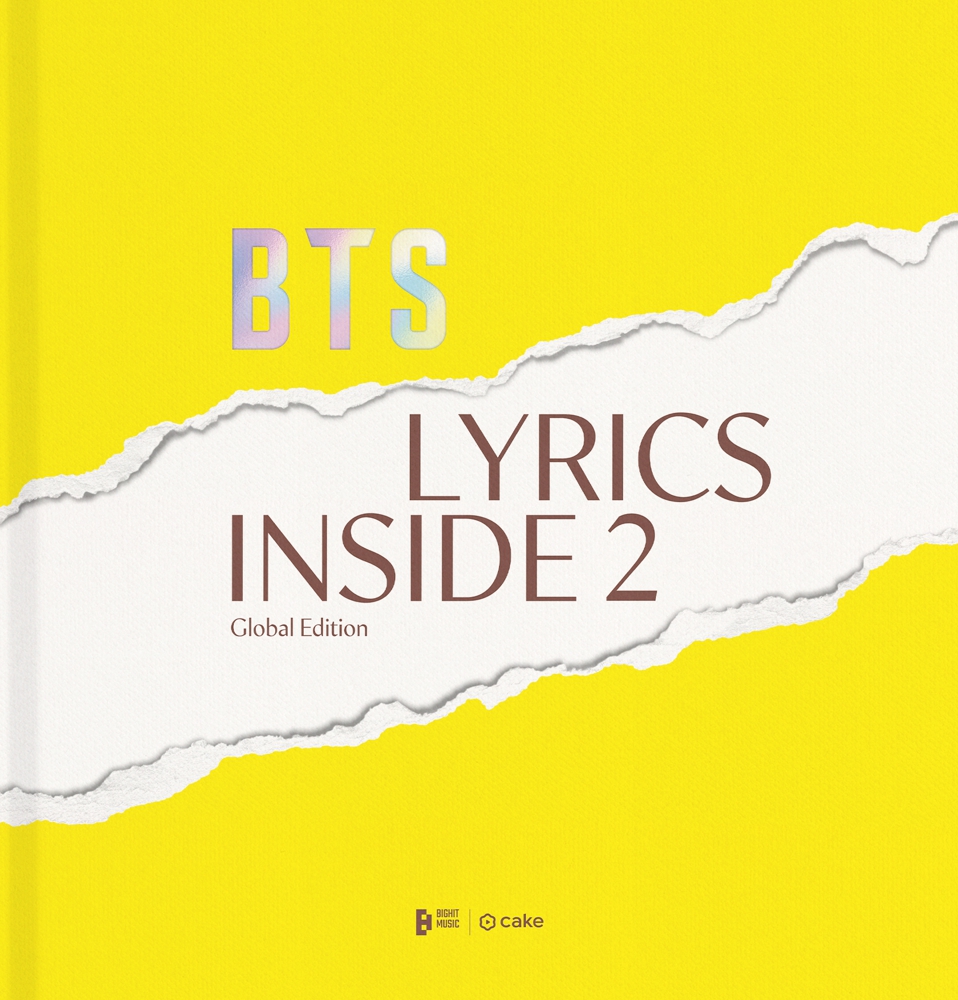
BTS Lyrics Inside Vol. 2 Mängelexemplar: Buch an einem Eck leicht angestossen, sonst neu und einwandfrei Remainder Copy: Corner slightly dented, otherwise new copy **** BTS is back! Get Ready!**** Special Gift: Lyrics Mini Book + exclusive: BTS Group PostcardWatch the trailer Contents 1 I NEED U2 RUN3 EPILOGUE : Young Forever4 둘! 셋! (그래도 좋은 날이 더 많기를)5 MIC Drop6 FAKE LOVE7 욱 (UGH!)8 00:00 (Zero O’Clock)9 달려라 방탄10 For Youth
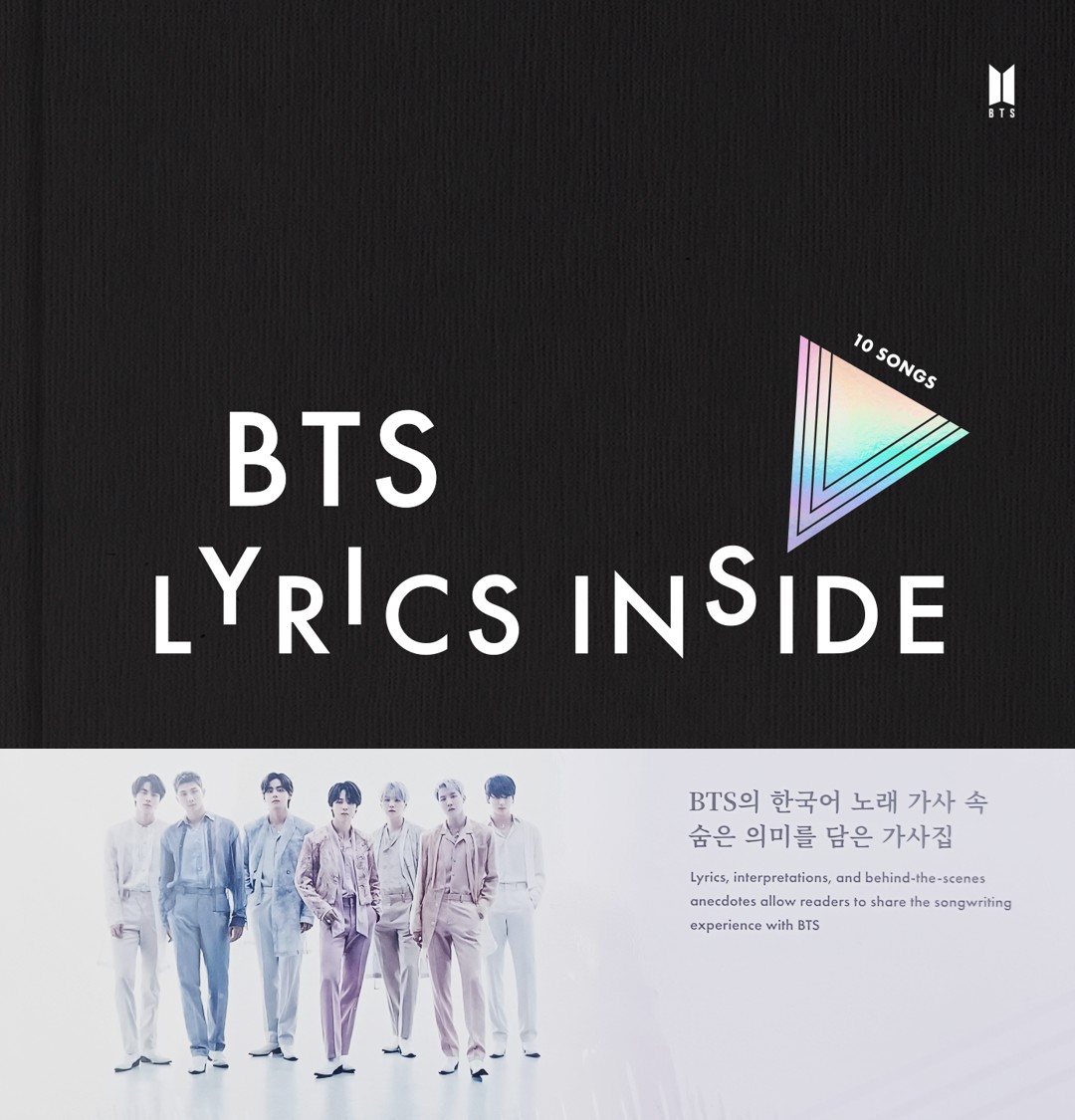
BTS Lyrics Inside Vol. 1 Mängelexemplar: Buch an einem Eck leicht angestossen, sonst neu und einwandfrei Remainder Copy: Corner slightly dented, otherwise new copy Special Gift: Handwriting Notes + only from us: BTS Postcard Watch the trailer! While there are many great songs that BTS was actively involved in writing the lyrics for, this book presents a selection of 10 songs in total, including Yet To Come from Proof (2022), to ensure adequate coverage of the deeper implications of the lyrics and various anecdotes related to the songs. The selection was based on two surveys about fans’ favorite BTS songs conducted in 2020 and 2021, with responses from approximately 145,000 and 204,000 ARMY, respectively.We also analyzed the set lists from several performances and fan-meets, from LOVE YOURSELF TOUR in 2018-2019 to BTS PERMISSION TO DANCE ON STAGE in 2021-2022, and classified 10 songs into categories such as opening song (OPENING), dance number (DANCE), song dedicated to ARMY (FOR ARMY), and closing song (CLOSING), which are based on the progression of a concert. We hope that reading this book will give readers an experience similar to being at a BTS concert.Each chapter focuses on one song and consists of three sections: About the Song Sing Along as You Fan-Chant Lyrics Inside. Two or three chapters make up a part, and each part ends with someconcert-related episodes or a feature covering an aspect of Korean culture that may help deepen readers’ understanding of the songs.In the About the Song section of each chapter, there is a brief introduction of the album and the song, as well as little anecdotes from BTS’ lyrics writing and official interviews. The Sing Along as You Fan-Chant section presents all the lyrics, their Romanized pronunciations, and the fan-chant to make it easier to singalong to the song.The Lyrics Inside section is designed to help readers understand the Korean lyrics written by BTS by offering a translation of the words, an explanation of the vocabulary and expressions used, and an indepth interpretation of the song. This section also includes genuine quotes from interviews and social media posts of BTS relevant to the lyrics to help readers relate to the messages conveyed by BTS songs. Contents 1 작은 것들을 위한 시 (Boy With Luv) (Feat. Halsey)2 ON3 Life Goes On4 IDOL5 불타오르네 (FIRE)6 Magic Shop7 We are Bulletproof : the Eternal8 소우주 (Mikrokosmos)9 봄날10 Yet To Come
“Hansik is not just food-it is a living culture shaped by nature, philosophy, and the Korean way of life.”Food as Culture, Not Merely CuisineRooted in centuries of history and shaped by Korea’s natural environment, philosophy, and way of life, hansik-Korean cuisine-is far more than a collection of dishes. It is a living cultural system that reflects how Koreans understand nature, community, and the human body. Four Seasons of Hansik invites readers to encounter Korean culture through food, revealing how everyday meals embody emotional sensibilities, aesthetic values, and a deep respect for balance and harmony.A Cuisine Shaped by Land, Sea, and SeasonsKorea’s geography and four distinct seasons have shaped a cuisine deeply attuned to nature. Surrounded by seas and rich in mountains and plains, the Korean Peninsula fostered a food culture centered on rice, seafood, wild greens, and fermented staples. Seasonal foods (sijeolsik)-from spring herbs and summer stamina dishes to autumn harvest foods and winter fermentation-reflect the belief that food and medicine share the same origin. Eating in season is presented not only as a culinary preference, but as a philosophy of living in rhythm with nature.Yin-Yang, the Five Elements, and the Harmony of TasteCentral to hansik is the harmony of yin and yang and the Five Elements, which guide the balance of flavors, colors, and ingredients. Sour, bitter, sweet, spicy, and salty tastes are combined to nourish specific organs and maintain bodily equilibrium. Dishes such as bibimbap exemplify this principle, blending multiple flavors and colors into a single, balanced whole. The book also introduces gamchilmat, the deep umami flavor born from fermentation and time, which has become a defining characteristic of Korean taste.Fermentation and the Depth of FlavorFermented foods such as kimchi, doenjang, gochujang, and jeotgal form the backbone of Korean cuisine. Through carefully managed fermentation, these foods develop complex layers of flavor that deepen over time. The book shows how fermentation is not only a method of preservation, but a cultural practice that connects Korean food to nature, patience, and collective memory-qualities increasingly valued in contemporary global food culture.Elegance, Restraint, and the Korean TableBeyond taste, Four Seasons of Hansik explores the elegance and restraint that define Korean food culture. Values such as moderation, balance, and communal sharing are reflected in table settings, side dishes, and traditional vessels including celadon, white porcelain, onggi, woodenware, and bangjja yugi (brassware). Food is presented without excess, emphasizing harmony between people, nature, and the table.Hansik as Living Cultural HeritageBy weaving together philosophy, regional foodways, seasonal customs, and aesthetic traditions, this book offers an immersive introduction to Korean cuisine as cultural heritage. It invites readers to see hansik not simply as what Koreans eat, but as how they live-how a single bowl of rice can carry history, care, and a way of life, and how Korean cuisine continues to speak to the modern world through timeless principles of balance and harmony.Table of Contents Prologue Elegance Beyond Delicacies in HansikHallyu: Spawning Culture through FoodThe Flavors of Korean CuisineThe Style of Korean CuisineThe Four Seasons of HansikSpringSummerAutumnWinterEpilogue
This book brings together the practical drawing know-how of Taco, a creator trusted by a total of 800,000 followers, in a single volume. It is a completely new sequel with no overlap with the previous work. Centered on drawing tips that Taco has shared over several years via social media, the book refines and expands some illustrations and explanations with newly revised content. Through this standalone volume, readers can engage directly with Taco’s approach and, by following the more detailed artwork and explanations, develop practical skills that can be effectively applied in real drawing situations. The book is organized into five major parts—Face, Arms, Legs, Body, and SD (Super Deformed)—comprising a total of 37 detailed chapters. In [PART 1 “Face”], the head, eyes, nose, mouth, ears, jaw, neck, and hair are covered in detail. [PARTS 2–3 “Arms” and “Legs”] break down the flow of the human body step by step, from shoulders, arms, wrists, elbows, hands, and fingers to the thighs, lower legs, and soles of the feet. [PART 4 “Body”] separates the upper and lower body to analyze muscle structure and body proportions, explaining how to depict the full body in a balanced way. The final section, [PART 5 “SD (Super Deformed)”], focuses intensively on facial features, limbs, and full-body expressions useful for drawing SD characters. 총 80만 팔로워가 신뢰하는 타코 작가의 실전 드로잉 노하우를 한 권에 담았다. 전작과 중복 없이 구성된 완전한 신규 후속권이다. 그간 타코 작가의 SNS를 통해 몇 년간 공개된 드로잉 팁을 중심으로 수록하며 일부 그림과 설명을 새롭게 다듬고 보강했다. 단행본을 통해 타코 작가의 메시지를 만나는 독자들은 더욱 세밀해진 작화와 설명을 따라가며 효과적으로 응용 가능한 실전 감각을 익힐 수 있다. 크게 얼굴–팔–다리–인체–SD(슈퍼 데포르메) 의 5개 파트, 총 37개 세부 단원으로 구성되어 있다. [PART 1 ‘얼굴’]에서는 두상, 눈, 코, 입, 귀, 턱, 목, 머리카락을 세분화하여 다루며, [PART 2–3 ‘팔’과 ‘다리’]에서는 어깨, 팔, 손목, 팔꿈치, 손, 손가락을 비롯해 허벅지에서 발바닥까지 이어지는 인체의 흐름을 단계별로 정리한다. [PART 4 ‘인체’]에서는 상체와 하체를 구분해 근육과 체형의 흐름을 분석하고, 전신을 균형 있게 표현하는 법을 설명한다. 마지막 [PART 5 ‘SD(Super Deformed)’]에서는 SD 캐릭터를 그릴 때 유용한 얼굴·팔다리·전신 표현을 집중적으로 다룬다.
About the Book The New Book Seonbi Country Korea: Seeking Sagehood Explores the Philosophical Foundation of Korean Culture Through Stunning Visual Storytelling “Discipline, Courage, Inclusion, Wisdom, and Honor—virtues long cultivated by Korea’s seonbi scholar-gentry—stand at the heart of the nation’s moral ethos, a living tradition remembered today as Seonbi Thought.” Award-winning photojournalist and author Hyungwon Kang announces the release of his most ambitious work to date: Seonbi Country Korea, Seeking Sagehood, a sweeping exploration of the uniquely Korean value system that shaped the nation’s moral and intellectual leadership for centuries. Through exquisite photography and deeply researched visual storytelling, Kang brings to life the enduring legacy of the seonbi—Korea’s scholar-gentry whose steadfast commitment to virtue forged the ethical backbone of Korean society. For more than five millennia, Korea’s seonbi leaders cultivated five universal pillars—Discipline, Courage, Inclusion, Wisdom, and Honor—values that guided statesmen, educators, philosophers, and warrior-intellectuals who shaped the country’s history. Kang’s work reveals how these same principles continue to influence Korea’s contemporary norms, institutions, civic culture, and collective identity. In this landmark volume, readers experience Kang’s finest visual storytelling. Each chapter illuminates one of the five seonbi virtues through powerful photography and compelling narrative. These stories highlight the scholar-officials and sage-leaders who lived out these ideals and steered pivotal moments—from governance and diplomacy to scholarship, ethics, and national defense. Kang also demonstrates how this philosophical heritage permeates modern Korean society, explaining its educational zeal, social cohesion, public-mindedness, and resilience. Seonbi Country Korea, Seeking Sagehood is both a cultural testament and an immersive visual journey—offering an unprecedented window into the traditions, values, and leadership philosophy that continue to define Korea today. What Is Seonbi? The seonbi were Confucian and Neo-Confucian scholar-gentry of Korea—from antiquity through the end of the Joseon Kingdom in 1910—who dedicated their lives to the pursuit of sagehood through disciplined moral practice. Far more than government functionaries, they were educators, advisors, and exemplars of ethical leadership, striving to embody the highest virtues in both thought and action. “What a great world it would be if humans could perfect society by training people to be dignified, mature egalitarians and free-thinking, responsible individuals,” Kang writes. “In Korean history, enlightened intellectuals pursued exactly this calling, seeking to become sages through a lifetime devoted to virtuous living.” Five Pillars of Seonbi Character In this book, journalist Hyungwon Kang presents a modern reinterpretation of Korea’s intellectual philosophy and spirit by outlining five core values and attitudes for cultivation. Centered on the five virtues of “Discipline (仁), Courage (義), Inclusion (禮), Wisdom (智), and Honor (信),” each chapter vividly documents one of the five seonbi values with stunning photos and insightful prose. 1. Discipline (仁) and Training: Emphasizes perpetual discipline, love—the fundamental building block of all relationships—and lifelong learning with an aptitude of consistent ethical behavior based on honesty, integrity and respect for others, fostering a decent moral character. 2. Courage (義) and Practice: The power of the unity of knowledge and action, meaning the intellectual courage to act on what one believes is right without fear of practical gains and losses or criticism. 3. Inclusion (禮) and Respect: Beyond mere tolerance that endures others’ differences, it is the fundamental attitude of respecting and including others as dignified individuals, and working together with them. 4. Wisdom (智) and Humility: True wisdom lies not in focusing on what one knows, but in knowing what one does not know; it is the virtue of humility in the pursuit of life-long learning. 5. Honor (信) and Credibility: The value of good citizenship and trust that is built on the longevity of spoken words and actions, consistent with trustworthiness. From Ancient Wisdom to Modern Success Kang traces how seonbi character and principles have fueled Korea’s remarkable resilience and its recent rise as a global cultural force. He argues that Korea’s success is rooted in deep cultural reserves shaped by Seonbi Thought—reserves that enabled the nation to endure the traumas of Japanese colonization and the Korean War, and later to emerge as a powerhouse in arts, technology, and commerce. Seonbi Country Korea: Seeking Sagehood offers essential reading not only for those seeking deeper insight into Korean identity, but also for global readers who wish to understand the philosophical foundations behind the K-culture and its enduring appeal. All the photographs in Seonbi Country Korea were taken personally by photojournalist Hyungwon Kang, who documents Korea with the perspective of an outsider looking inward, yet rooted in Korean heritage. Each image carries its own story. Among the uniquely revealing photographs captured through this objective lens are: ● A little-known 18th-century Hangeul memorial booklet titled “Seulpuda,” which illustrates the everyday use of Hangeul among seonbi scholars. ● The carved-out name (pamyung) of a seonbi at Museongseowon, where political activity was strictly forbidden, extracted as punishment for violating the rules. ● A royal talismanic sword (saingeom) once bestowed by Joseon kings upon their ministers, believed to possess protective spiritual power. ● A photograph of a pair of cranes in flight, offering a visual analogy to Admiral Yi Sunsin’s famed Crane Wing Formation (hakikjin). ● A storm-battered seowon—a scene of wind and rain—symbolizing the political bloodshed and purges of sahwa, when the seonbi class suffered persecution under rival factions. ● A pair of crows stealing strands of horsehair, echoing an old saying that warns white egrets to beware of crows. Presented through the universal language of photography, this work of visual storytelling offers deep insight into Korean identity for readers in Korea, while also serving as an essential guide for global audiences seeking to understand the cultural foundations behind the worldwide appeal of K-culture.About the Author Hyungwon Kang Hyungwon Kang is an award-winning photojournalist and columnist whose career has taken him across the globe. He has worked with Los Angeles Times, The Associated Press, and Thomson Reuters, documenting world events with a distinctive visual and narrative voice. As both a columnist and a photojournalist, Kang is a keen observer of culture, history, and human character, capturing stories through his camera lens and his writing with equal depth and clarity. Educated in the United States and fluent in multiple languages, Kang brings a rare, multilateral perspective—bridging Eastern philosophy with Western modes of communication. His work makes complex cultural ideas accessible to diverse global audiences, offering insights grounded in lived experience, rigorous observation, and a lifelong commitment to storytelling.
Fashion has been a universal human concern across time, place, and culture. In Joseon Korea-where the forms of dress we now recognize as hanbok took shape-clothing was never merely practical or ornamental. What one wore reflected not only social rank and gender roles, but also personal ambition, moral values, and an acute awareness of beauty.Even within a rigidly hierarchical society, individuals sought ways to express themselves through dress. Some emphasized dignity and propriety, believing that a well-maintained appearance was a moral obligation. Others used clothing as a means to aspire upward, hoping that refined attire might signal status beyond one’s given position. Hairstyles, headgear, belts, and subtle variations in color all became tools through which identity and desire were negotiated.The Hidden Allure of Hanbok brings these untold stories of Joseon-era fashion into focus through a modern lens and accessible language. Drawing on visual materials, historical records, and cultural context, the book reveals hanbok as a living system of aesthetics-one shaped by restraint and aspiration, tradition and individuality.By uncovering the meanings embedded in everyday garments, this book invites readers to see hanbok not as static heritage, but as a refined expression of human desire and cultural imagination-an enduring legacy of Korean beauty that continues to resonate today.Contents Part 1. IN PURSUIT OF STYLEThe Fashionable Gentlemen of Hanyang: Topknots and Horsehair Headbands The Land of Hats and Gat Even If the Neck Breaks: The Burden of Beauty and the Gache Hats Desired by the French: Jobawi and Nambawi A Feast of Festivities: White within Off-White and Colors within White A Shifting Aesthetic Consciousness: Adding a Touch of Flair Byeolgam: Joseon’s Top Fashion Leaders Gisaeng: Joseon Entertainers and Style Icons Undergarments More Stylish Than the Petticoat Satisfying All Five Senses: The Sound of Beating Cloth SPECIAL SECTION: Korean Craftsmanship and Hanbok Part 2. PINING FOR SOCIAL ASCENSIONAn Enduring Standard of Beauty: Skin Like White JadeNo More Than Plain Silk and Ramie: The Royal Selection ListChima Jeogori: The Rediscovery of FemininityColorfully Clad, Beauty Enhanced: The DallyeongEmbroidering Hope for SuccessNorigae: Stealing a Gisaeng’s HeartBecoming King at Last: The Guryumyeon and GujangbokBecoming Queen at Last: The Jeokui and SusikTears of the Dragon: The Ikseongwan and GollyongpoThe Cheollik: A Royal Gift Evokes TearsSPECIAL SECTION: Fashion Style Differences between Korea, China, and Japan
About the BookKorea has become cool. While long seen as a bastion of traditions and customs that go back millennia, the country has now emerged as a playground of hip, trendsetting movements. At the heart of this coolness is, of course, Hallyu, the “Korean Wave” that seems to have penetrated every corner of the planet by now. From K-pop and K-dramas to Korean culinary delights and head-turning fashion statements, the world has taken notice of Korea for something other than the cars and electronics that brought it to the world stage in decades past. And the latest development in this evolution of cool is Korean newtro.Discovering the Past AnewIn Korean Newtro: Where Youth Meets Tradition, Seoul-based essayist, broadcaster, and public speaker Colin Marshall takes readers on a trip through everything in Korea that is both new and retro, or as the cool kids say, newtro. This unique phenomenon is all about appealing to those who are too young today to have experienced the products, styles, and media that were once deemed cool twenty or even a hundred years ago, and so find themselves discovering-and not rediscovering-all these things for the first time. For those not in the know, this will also mean learning some of the latest lingo, from cohort monikers like the “1020 generation” and “MZers” to a cornucopia of new terms that cover everything under the sun, including food, fashion, and fun.A New Take on the OldWhether it is the bars and pojangmacha of Seoul’s “Hipji-ro” (Eulji-ro) neighborhood, where you can feast on grilled mackerel, sundae, pork belly, and chicken feet while enjoying some good old-fashioned beer and soju, or the country’s many Starbucks cafés and dabang, where you can try reimagined classic beverages like ssanghwa-cha (complete with egg yolk) or indulge in a makgeolli-flavored cream cold brew, readers will have their senses inundated by so many things they are at once familiar with yet presented in a completely fresh and unforgettable way.A Reimagined Memory LaneThis journey down a Korean-style yellow brick road continues into the arts (film cameras and minhwa artworks) and architecture (traditional Korean homes and paper), to the TV shows and movies that have revived bygone portable music players and fashion brands, to the latest styles in hanbok worn by K-pop superstars like BTS and Blackpink. Along the way, readers will also be introduced to the newtro world of paintings, folding screens, fashion, beauty, haendeupon (cellphones), and the once ubiquitous PC bang (internet café).Where Youth Meets Tradition Meets the WorldKorea has raced into the 21st century at breakneck speed, both looking back and not looking back at the past. Contradiction though that may seem, it encapsulates so much of what sets the country apart today. Or as some have commented, Korea can now be viewed as something of a jjamppong: a seafood noodle stew that is a staple of Korean Chinese cuisine, but also a byword for a mixture of diverse and sometimes improbably combined elements. For those who have never been to Korea-or even those not familiar with much about Korea outside of Hallyu-Korean Newtro: Where Youth Meets Tradition is the perfect guide to all that is hip once again in a country redefining itself as the new bastion of cool.ContentsIntroduction: From chonseureopda to meotjida 01 The Emergence of Newtro 02 Newtro Neighborhoods 03 Visual Art 04 Design 05 Fashion and Beauty 06 Television, Film, and Music 07 Architecture and Interior Design 08 Food and Drink 09 The Digital Age Epilogue: Can everything old in Korea stay new again?
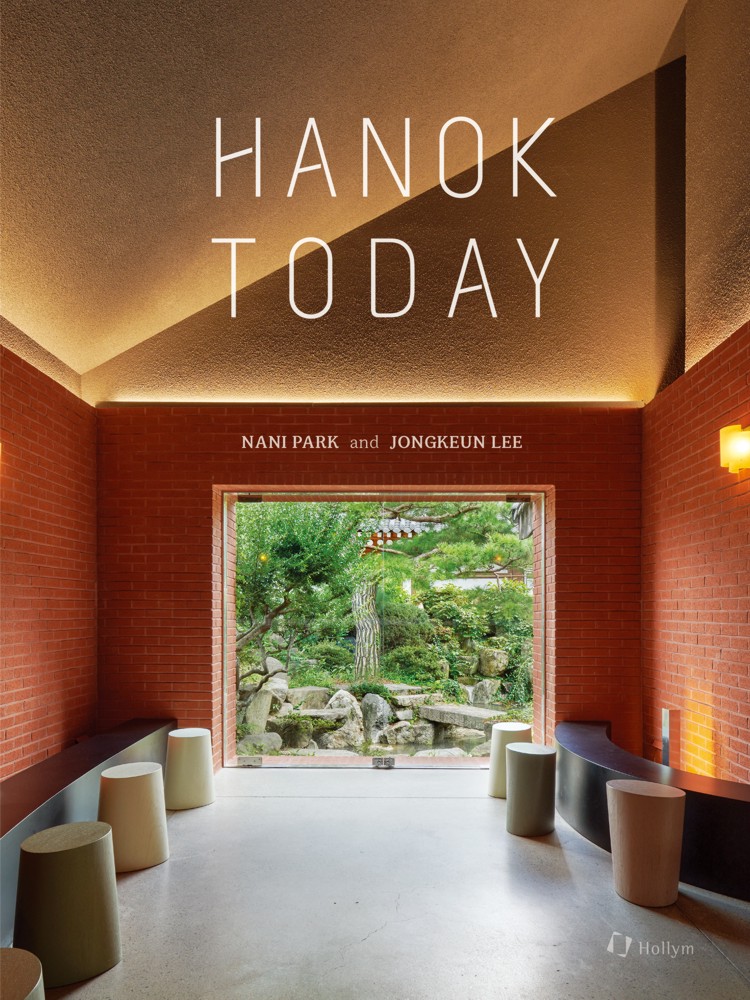
There may be countless idioms about beauty in languages around the world, but to actually define beauty and how it is expressed by an entire culture is a formidable task. Fortunately for readers, Korean Beauty: Visual Expressions of a Timeless Spirit approaches the subject with an engaging, deeply enriching account of what has long constituted core elements of Korean beauty, from the philosophical and spiritual currents that run through the concept all the way to the artistic practicality of how this is carried out on a daily basis. Uniquely Korean Expressions of Beauty With a mixture of personal stories by someone who has traveled extensively around the country and fascinating insights about an aesthetic heritage developed over thousands of years, long-time Korea commentator and author Robert Koehler takes readers on a memorable trip into a land of breathtaking elegance and refinement that has influenced generation after generation of Koreans and the way they express beauty. As is clearly evident to anyone familiar with the country and its people, this sense of beauty can be generally characterized in terms such as grace, simplicity, rustic charm, and respect for nature. Of course, this ethereal sense of beauty and its functional application to day-to-day living goes far deeper than those broadly defined descriptions. Beauty in Imperfection Today, visitors to Korea will be quick to point out the polished beauty of everyday objects that can be purchased at both souvenir stands and high-end galleries, including bowls and plates, chopsticks and spoons, glassware and ceramics, and jokja (hanging scrolls featuring artwork and/or calligraphy) and sansuhwa (landscape paintings). And yet look below the surface and you will notice a uniquely Korean “artless art,” an ability to make difficult designs appear easy to create and a tendency to value the perfectly imperfect. This is even apparent in the largest of artistic productions, including Korea’s royal edifices like Gyeongbokgung Palace, Buddhist sanctuaries such as Gaesimsa Temple, and the traditional Korean homes (hanok) and their accompanying courtyards (madang) of Bukchon Hanok Village. A Timeless Odyssey of Art and Beauty Embark on a magical journey through the UNESCO World Cultural Heritage Sites of Byeongsanseowon Confucian Academy and Changdeokgung Palace, marvel at age-old ramie weaving techniques in Hansan and the sublime works of Goryeo celadon from a thousand years ago, and indulge in Korea’s distinct palette of “five direction colors” through its obangsaek—no matter where you go within the country, Korea’s rich aesthetic is all around you at every step of the way. Something for EveryoneFrom the Buddhist and Taoist notion that there is great beauty in emptiness, to the extravagant visual appeal of modern hanbok and Korean accessories and boudoir crafts, to the fascinating method behind how Dansaekhwa monochrome paintings are created, Korea has practiced its own way of celebrating beauty for millennia. For those who have already started learning about Korea through its Hallyu-led movies, music, and television shows, Korean Beauty: Visual Expressions of a Timeless Spirit will only galvanize you to further your learning about the country and its profound, one-of-a-kind aesthetic. And for those just starting their odyssey down the road of Korean beauty, this book will inspire you to see more of the awe-inspiring splendor evident in this 5,000-year-old nation by experiencing Korea’s timeless spirit for yourself. About the Author Robert Koehler was born and raised in Long Island, New York, and graduated from Georgetown University’s School of Foreign Service in Washington, D.C. He came to Korea in 1997. From 2006 to 2018, he served as editor-in-chief of SEOUL, a monthly lifestyle and travel magazine. In 2009, he published the more than 400-page English-language guidebook SEOUL, and in 2010, he received the “Foreign Journalist Award for Contributions to Seoul Tourism” at the Seoul International Tourism Fair. He currently works as an English editor at the Korea JoongAng Daily. About the PhotographerLee Jongkeun graduated from Chung-Ang University’s Department of Photography and the graduate school of the same university. He runs a photo and video production company called GuruVisual Co., Ltd., and also teaches advertising photography at his alma mater. He has long been actively engaged in product, architecture, and food photography, and has worked on many familiar advertising campaigns as a photographer. Architecture books that capture his vision include Korea Style, Hanok: The Korean House, and Hanok Today.ContentsIntroduction • 9 1. Korean Aesthetics Standards of the past • 16 Harmony between humans and nature • 16 Rustic simplicity • 26 2. Different Notions of Korean and Western Beauty Realism vs. true spirit • 38 Realistic vs. idealized worlds • 42 Grandeur vs. harmony • 45 3. The Beauty of Emptiness Humanism • 61 Humor • 64 Preserving age-old aesthetic techniques • 69 More globalized tastes • 74 4. Korean Gyubang Crafts The aesthetic of the slow • 82 Making it look simple • 84 Useful but exquisite • 86 Embroidery arts • 94 A magnificent folding screen • 100 A lavish robe • 102 5. Traditional Korean Architecture Harmony with nature • 108 Tying it all together through the madang • 114 Rustic charm • 118 The borrowed landscape • 122 6. Hanbok An outfit steeped in history • 132 The beauty of modesty • 133 Generosity, emptiness, nature • 136 Color contrasts • 139 Fabrics of nature • 142 A modern touch • 145 7. The Visual Arts An idealized world: The Korean landscape painting • 148 Celadon: Beauty in greenish blue • 159 Porcelain (non) perfection: The moon jar • 162 Dansaekhwa: Korean minimalism meets modern art • 165 Korean handicrafts: Form equals function • 170 Folk art: Beauty for the masses • 179 8. Korean Accessories Norigae • 184 Beoseon • 190 Flower shoes • 194 Traditional Korean hats for men • 198 9. The Korean World of Color Obangsaek: The five colors of the cosmos • 208 Korean palaces: A sea of red • 210 Korea’s colorful cuisine • 214 Korean wedding attire • 217 The Korean flag: A nation of harmony • 218 Dancheong • 220 Epilogue • 226
Last copies!This is the eleventh calendar created in collaboration with Lee Kyutae, who works as an illustrator, cartoonist, and animator. The 2026 edition, titled “Drift 2026: Twelve Journeys,” features eleven illustrations, ranging from an airport capturing the moment of departure to scenes from different cities around the world. Like traveling through the year, a different scene unfolds each month. The MiniSize measures 55 x 55 m ideal for display or as a gift.Featured Cities:Brussels, Belgium Tokyo, Japan Havana, Cuba Rishikesh, India Pangong Tso, India Manali, India Kraków, Poland Los Angeles, USA Jeju, South Korea Bologna, Italy Leh, India About the Artist Lee Kyutae works across illustration, comics, and animation, and enjoys understanding and expressing objects and spaces through his work. 을 이해하고 표현하는 걸 좋아합니다.
Last copy!This is the eleventh wall calendar created in collaboration with Lee Kyutae, who works as an illustrator, cartoonist, and animator. The 2026 edition, titled “Drift 2026: Twelve Journeys,” features eleven illustrations, ranging from an airport capturing the moment of departure to scenes from different cities around the world. Like traveling through the year, a different scene unfolds each month. The calendar is printed on uncoated paper to preserve the natural texture of the paper. It is glue-bound at the top, allowing each page to be neatly torn off, and comes packaged in a paper case suitable for storage or gifting. Featured Cities:Brussels, Belgium Tokyo, Japan Havana, Cuba Rishikesh, India Pangong Tso, India Manali, India Kraków, Poland Los Angeles, USA Jeju, South Korea Bologna, Italy Leh, India About the Artist Lee Gyutae works across illustration, comics, and animation, and enjoys understanding and expressing objects and spaces through his work. --일러스트레이터, 만화가, 애니메이터로 활동하고 있는 이규태 작가와 함께하는 열한 번째 벽걸이 달력입니다. 2026년판은 ‘Drift 2026 Twelve Journeys’라는 제목 아래, 출발의 순간을 그린 공항부터 서로 다른 도시의 풍경 11점으로 구성되었습니다. 한 해를 여행하듯 달마다 다른 장면이 이어지며, 코팅되지 않은 용지의 질감을 살려 인쇄했습니다. 상단에 풀로 제본되어 한 장씩 깔끔하게 뜯어 사용할 수 있고, 보관하거나 선물하기 좋은 종이 케이스에 담아 완성됩니다. 수록 도시 • 브뤼셀, 벨기에 • 도쿄, 일본 • 하바나, 쿠바 • 리시케시, 인도 • 판공초, 인도 • 마날리, 인도 • 크라쿠프, 폴란드 • LA, 미국 • 제주, 한국 • 볼로냐, 이탈리아 • 레, 인도 작가 소개 이규태 일러스트와 만화, 애니메이션을 만들고 있고 사물과 공간을 이해하고 표현하는 걸 좋아합니다.
Let’s Play Together, Not Alone!On a beautiful sunny day, a tiger is swinging alone on a swing. Despite pumping his legs with all his might, playing by himself feels rather dull. Soon he tries flying a kite, but the string snaps and breaks. Just when the tiger feels dejected, a friend approaches-a rabbit! The rabbit suggests they play a game together, and the two start playing dakssaum, a game where two people hop around on one foot. When the tiger loses his balance and tumbles down with a thud, marbles roll out of his pocket. Naturally, the two friends begin playing guseul-chigi, or Korean marbles.As they want to continue playing games, the tiger and rabbit move on to spinning tops to see whose top spins the longest. Then they go on to play ddakji-chigi (ddakji slapping) to see who can flip their opponent’s ddakji (folded paper tile) first before wrestling to see who can stay standing the longest. Later, while making a cave-shaped mud house for a toad, a sudden burst of rain sends them rushing to the rabbit’s house. What games will they play next?K-Games from Squid Game! Discover Them Through This Picture BookShall We PLAY Together? captures twelve animal friends spending their day enjoying traditional Korean games from morning until night. This picture book provides information about Korea’s traditional games while also allowing readers to experience the diverse atmosphere of a Korean village landscape and the daily lives of villagers.Shall We PLAY Together? is exactly the kind of a nonfiction picture book we all need right now. Thanks to the Netflix series Squid Game, people of all ages have become familiar with many traditional Korean games. This has sparked growing interest in learning the specific rules of these games and discovering other Korean games beyond those featured in the series. In short, people want more detailed information about these types of games. Furthermore, the fascination with K-pop and Korean culture extends to curiosity about other aspects of Korean heritage that both children and adults can enjoy together. Most importantly, traditional Korean games that have been passed down through the generations might offer people a rare opportunity to cultivate the spirit of cooperation and consideration for others-something that seems sorely lacking in today’s world.There are many reasons to fall in love with this book, but perhaps its greatest appeal lies in how it combines a universality that transcends cultures and generations, with unique characteristics that are distinctly Korean. The book allows readers of all ages to physically experience diverse cultures together-and that’s what makes Shall We PLAY Together? so special.A Book to Enjoy Anytime, Anywhere, with AnyoneShall We PLAY Together? unfolds through traditional Korean games played from dawn to dusk, featuring author Gahee Kim’s characteristically soft colored-pencil illustrations that warmly capture the pure hearts of children. The story begins with a tiger swinging alone outside in the middle of the day. It expands as a rabbit joins the tiger for a series of two-player games, then moves indoors when sudden rain pours down, and gradually grows to include all twelve zodiac animal friends playing group games after the weather clears. As evening approaches and everyone returns home, the book concludes with quiet games perfect for families to enjoy together in the late evening.Additionally, the book includes an appendix with detailed information that readers might find interesting: the characteristics of games from different eras, the unique meaning of “kkakdugi” (a special role in Korean traditional games), and similar traditional games found in various cultures around world. We hope you’ll explore Korea’s diverse culture through Shall We PLAY Together?, a book filled with traditional Korean games that can be enjoyed anytime, anywhere, and with anyone.
Key Points of the Human Body Explained by Artist TACO A human anatomy guide following the steady-seller in the drawing field, Secret Character Drawing. There’s no single correct answer in drawing, and Point Character Drawing is just one of many possible guides based on drawing theory. Rather than treating the theories in this book as absolute rules, I hope you see it as a simplified, reinterpreted guide to stylized human anatomy. — From the Author’s Note Drawing is about imagining and expressing freely! What matters most are fun and interpretation!Text in Korean and English! 타코 작가가 짚어주는 ‘인체의 핵심 포인트’드로잉 분야 스테디셀러 〈시크릿 캐릭터 드로잉〉에 이은 인체 가이드 그림에 정답은 없고,〈포인트 캐릭터 드로잉〉은 수많은 그림 이론 중 하나의 가이드입니다.책에 나오는 이론을 절대적인 규칙으로 생각해서 따르기보다는조금은 쉽게 재해석한 데포르메 인체 가이드로 봐주겼으면 합니다.-작가의 말 중에서그림은 자유롭게 상상하고 표현하는 것!중요한 것은 재미와 해석!
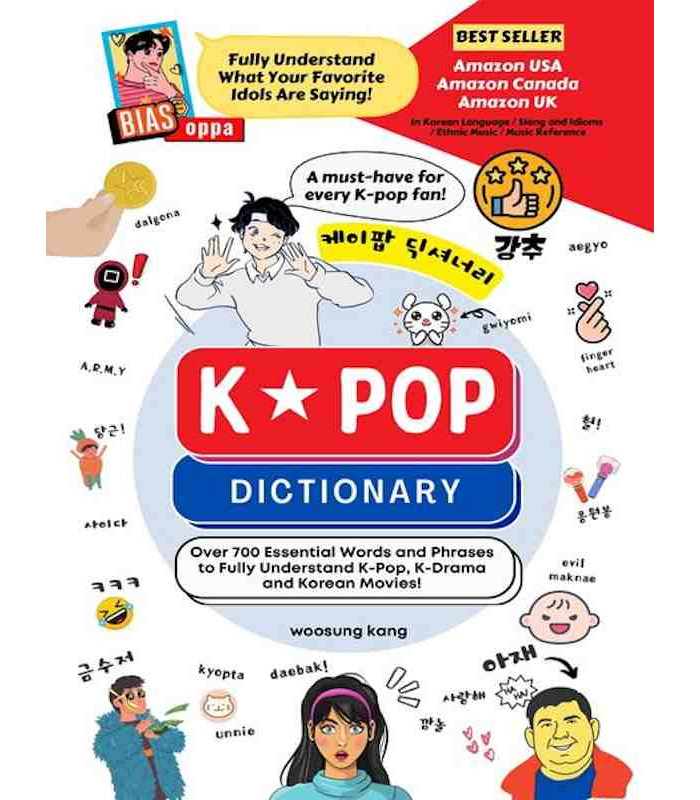
Fully understand what your favorite idols are saying!
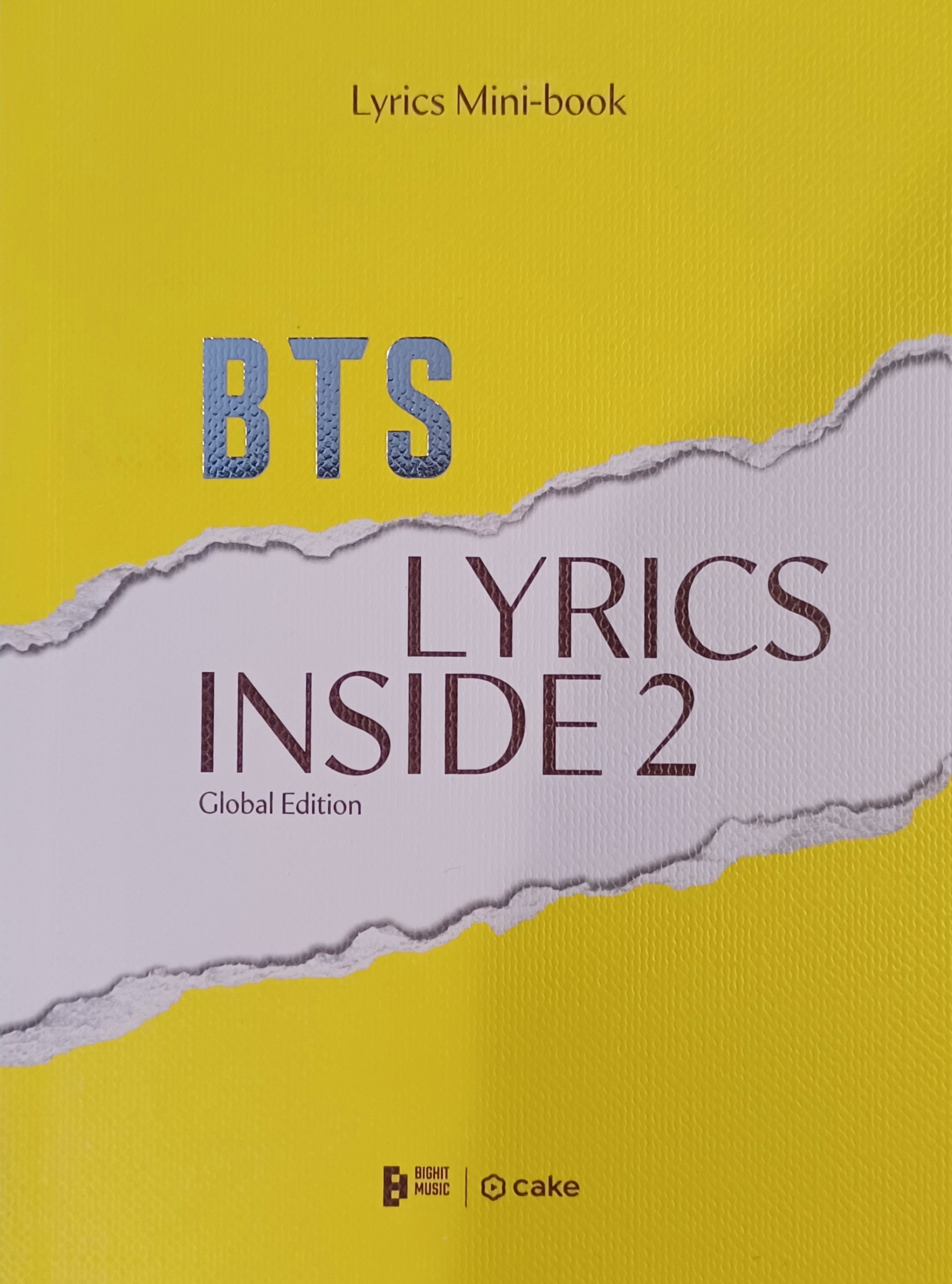
BTS Lyrics Inside - Lyrics Mini Book Special Gift: only from us: BTS Group PostcardContents 1 I NEED U2 RUN3 EPILOGUE : Young Forever4 둘! 셋! (그래도 좋은 날이 더 많기를)5 MIC Drop6 FAKE LOVE7 욱 (UGH!)8 00:00 (Zero O’Clock)9 달려라 방탄10 For Youth
BTS Lyrics Inside Vol. 2 **** LAST COPIES: Order at our special price while stocks last! **** Special Gift: Lyrics Mini Book + exclusive: BTS Group PostcardWatch the trailer The sequel to the first book BTS Lyrics Inside 1 this volume presents 10 further BTS songs. The Lyrics Inside section is designed to help readers understand the Korean lyrics written by BTS by offering a translation of the words, an explanation of the vocabulary and expressions used, and an indepth interpretation of the song. This section also includes genuine quotes from interviews and social media posts of BTS relevant to the lyrics to help readers relate to the messages conveyed by BTS songs. Contents 1 I NEED U2 RUN3 EPILOGUE : Young Forever4 둘! 셋! (그래도 좋은 날이 더 많기를)5 MIC Drop6 FAKE LOVE7 욱 (UGH!)8 00:00 (Zero O’Clock)9 달려라 방탄10 For Youth
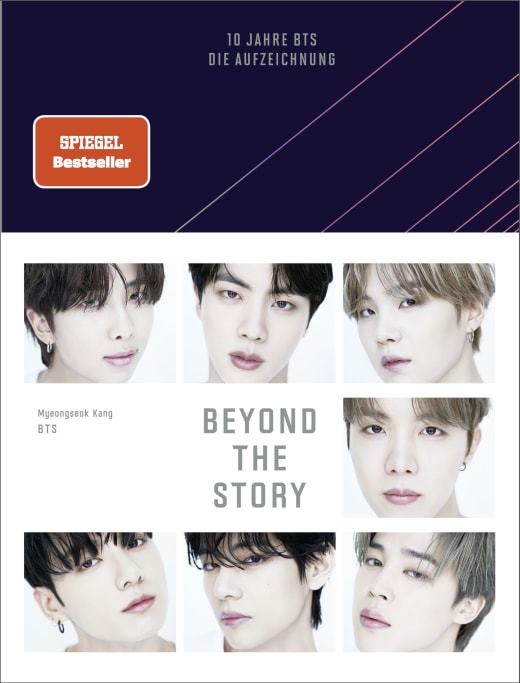
Übersetzt von: Ki-Hyang Lee, Alexandra Dickmann, Anja Schmidt, Julia Zachulski, Tamina Hauser 10 Jahre BTS - Die Aufzeichnung | Deutsche Ausgabe des ersten und einzigen offiziellen Buchs von BTS, veröffentlicht zur Feier des 10-jährigen Jubiläums DAS ERSTE UND EINZIGE OFFIZIELLE BUCH – Veröffentlicht zur Feier des 10-jährigen Jubiläums von BTS. Geschichten, die über das hinausgehen, was ihr bereits über BTS wisst. Mit unveröffentlichten Fotos, QR-Codes zu Videos und allen Informationen zu den bisherigen Alben. Nachdem sie am 13. Juni 2013 ihren ersten Schritt in die Welt gemacht haben, feiern BTS im Juni 2023 den 10. Jahrestag ihres Debüts. Sie sind zu einer weltweiten Künstlerikone aufgestiegen und blicken während dieser bedeutungsvollen Zeit in ihrem ersten offiziellen Buch auf ihren bisherigen Werdegang zurück. Daraus schöpfen BTS die Kraft, hellere Tage zu erschaffen, und einen weiteren Schritt auf einem Weg zurückzulegen, den noch niemand zuvor gegangen ist. In den Interviews von Myeongseok Kang, der bereits in verschiedenen Medien über K-Pop und andere Aspekte koreanischer Popkultur geschrieben hat und BTS über drei Jahre intensiv begleitete, teilen sie persönliche Geschichten und geben Einblicke hinter die Kulissen ihrer bisherigen Reise. In sieben chronologisch geordneten Kapiteln, von der Zeit vor dem Debüt von BTS bis in die Gegenwart, werden ihre lebhaften Stimmen und Meinungen vereint zu einer aufrichtigen, lebendigen und tiefgründigen Geschichte. In Einzelinterviews, die ohne Kamera und Make-up geführt wurden, beleuchten sie ihre musikalische Reise aus verschiedenen Blickwinkeln und diskutieren deren Bedeutung. Darüber hinaus wird das Buch von Porträtfotos eröffnet, die BTS als Individuen und Künstler zeigen. Es gibt zahlreiche Konzeptfotos, Tracklisten aller bisherigen Alben und über 330 QR-Codes. Als digitale Künstler kommunizieren BTS mit der Welt über das Internet, und dieses Buch ermöglicht es den Lesern, sofort online auf Trailer, Musikvideos und mehr zuzugreifen, um ein umfassendes Verständnis aller Schlüsselmomente in der Geschichte von BTS zu erhalten. Mit einer Zeitleiste aller wichtigen Meilensteine ist BEYOND THE STORY ein bemerkenswertes Archiv - wirklich alles über BTS in einem Band.
Enertopia is a word that combines the nouns “energy” and “utopia.” Enertopia is a country that generates over 50 percent of its own power needs and does much to encourage the use and the support of energy generation and efficiency. This book, Enertopia: An Affluent Society with Energy, is an autobiographic management essay on the basis of the author’s experience as CEO of the KEPCO (Korea Electric Power Corporation). In this book Park describes the process of achieving “energy utopia” with his outstanding leadership and managerial style for the purpose of constructing a society with no shortage of energy. Contents CHAPTER 1 Codes of Conduct Communication …… 14 The Scent of a Human …… 18 Let’s Walk Energetically! …… 22 So Yes, I Had a Drink with the CEO …… 26 Jirisan Mountain …… 29 How Much Money Did You Receive from the Korean CIA? …… 33 CHAPTER 2 All Employees Promoted by One Rank One Is 1. Five-fifths Is Still 1. …… 42 CHAPTER 3 Executive Secretary Lim Chang-geon Bitter to the Mouth, Better for Your Health …… 50 CHAPTER 4 Hanil General Hospital Vice Premier Shin Byeong-hyun …… 64 Noh Tae-il, Chief of the Department …… 69 CHAPTER 5 Number One in Management Assessment Hanil General Hospital in Ssangmun-dong …… 76 The Apartment Business …… 79 The Kyunghyang Shinmun’s Grand Prize in Energy …… 85 Employees’ Vacation Resorts …… 88 CHAPTER 6 Wolseong Espionage Incident “Jindogae One” Launch …… 92 Chinese Civilian Aircraft Flies over Restricted Air Space …… 98 CHAPTER 7 Cultivating Talent Gongneung-dong Training Institute …… 102 Kori Nuclear Power Plant Training Center …… 107 Electric Power Research Institute in Daedeok …… 111 Securing (and Retaining) Talent …… 114 Sponsoring Youth Football Teams …… 119 CHAPTER 8 The Ninth Famous Spot in Eastern Korea Gwandong Gukyung, the Gangneung Branch of KEPCO …… 124 CHAPTER 9 Settle Your Debts “I’m Still Alive and Kicking.” …… 134 “Qìzhǎnmǎsù”(泣斬馬謖, Punishing the Favorite to Restore Order) …… 138 There Are No Secrets …… 143 CHAPTER 10 The 10th Asian Games The CEO Must Run …… 150 Why Worry When You Can Pray? …… 155 CHAPTER 11 An Exciting Place to Work, A Life Worth Living for: KEPCO Corporate Philosophy …… 166 What Is the Problem? …… 171 An Exciting Workplace …… 174 Time Waits for No One …… 183 Heaven and Nature, and the Laws That Bind Them …… 188 The Pursuit of the Beauty …… 192 CHAPTER 12 Enertopia Restoring Vision …… 202 Lim Han-que, Chief of the Division …… 206 The Loser’s Bitter Cup of Defeat …… 210 Crossing the Bridge of No Return …… 219 Three-Party Contracts …… 229 The Favored Son …… 239 To Continue, or Not, with Nuclear Power …… 246 To Resign, or To Not …… 253 Two Hundred Employees Parrot the Same Thing …… 257 The Grand Finale …… 260 APPENDIX Photos ………… 263
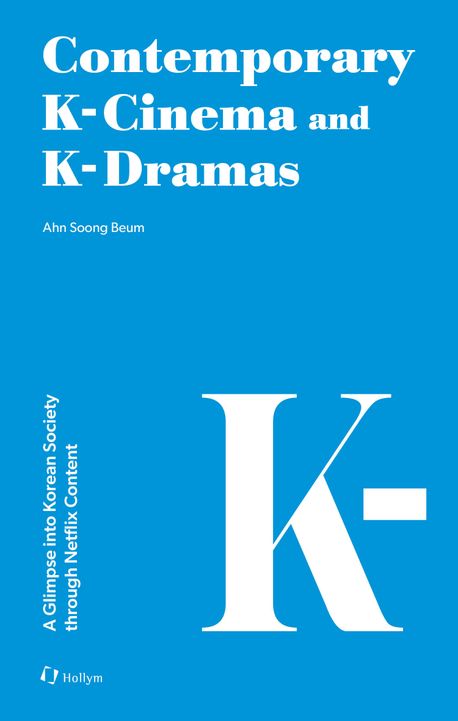
The Korean Wave, or Hallyu, which began in neighboring Asian countries in 1997, has expanded to become a global phenomenon in the 2020s. Korean cultural content, as witnessed through BTS (K-pop), Parasite (K-cinema), and Squid Game (K-drama), has come to dominate mainstream culture on the global stage. This is especially true with Korean dramas, which played a pioneering role in the birth of the Korean Wave, as well as in generating interest in Korean society and culture. In recent years, thanks to global OTT platforms like Netflix, Korean dramas have been distributed to every corner of the planet and have attracted a wide range of audiences across racial, national, gender, and age divides.This book selected thirteen K-dramas for television and K-cinema films that have either become global hits thanks to the Korean Wave or are worthy of further exploration, and provides a wide-ranging look at the meanings and contexts of these works, as well as the reasons for their success and how they can be interpreted from different angles. In addition, this book examines the realities and specificities of Korean society and how those specificities are not just limited to Korea, but have become universal so that they now resonate with people around the world.The works covered in this book were all released between the second half of 2021 and the second half of 2022: Squid Game, Hellbound, The Silent Sea, D.P., All of Us Are Dead, Juvenile Justice, Pachinko, and Extraordinary Attorney Woo (dramas) and Broker, The Outlaws series, Alienoid, Seoul Vibe, and 20th Century Girl (movies). We sincerely hope this book will help readers better understand each of these works and develop an interest in and passion for K-cinema and K-dramas. About the Author Ahn Soong Beum is a professor of Korean Language and Literature at Kyung Hee University, director of the K-culture · Story Contents Research Institute, film critic, and poet. He hosted EBS “Cinema Heaven” and served as a jury member of the Busan International Film Festival. He is the author of The Night of Disillusionment and the Dawn of Man.
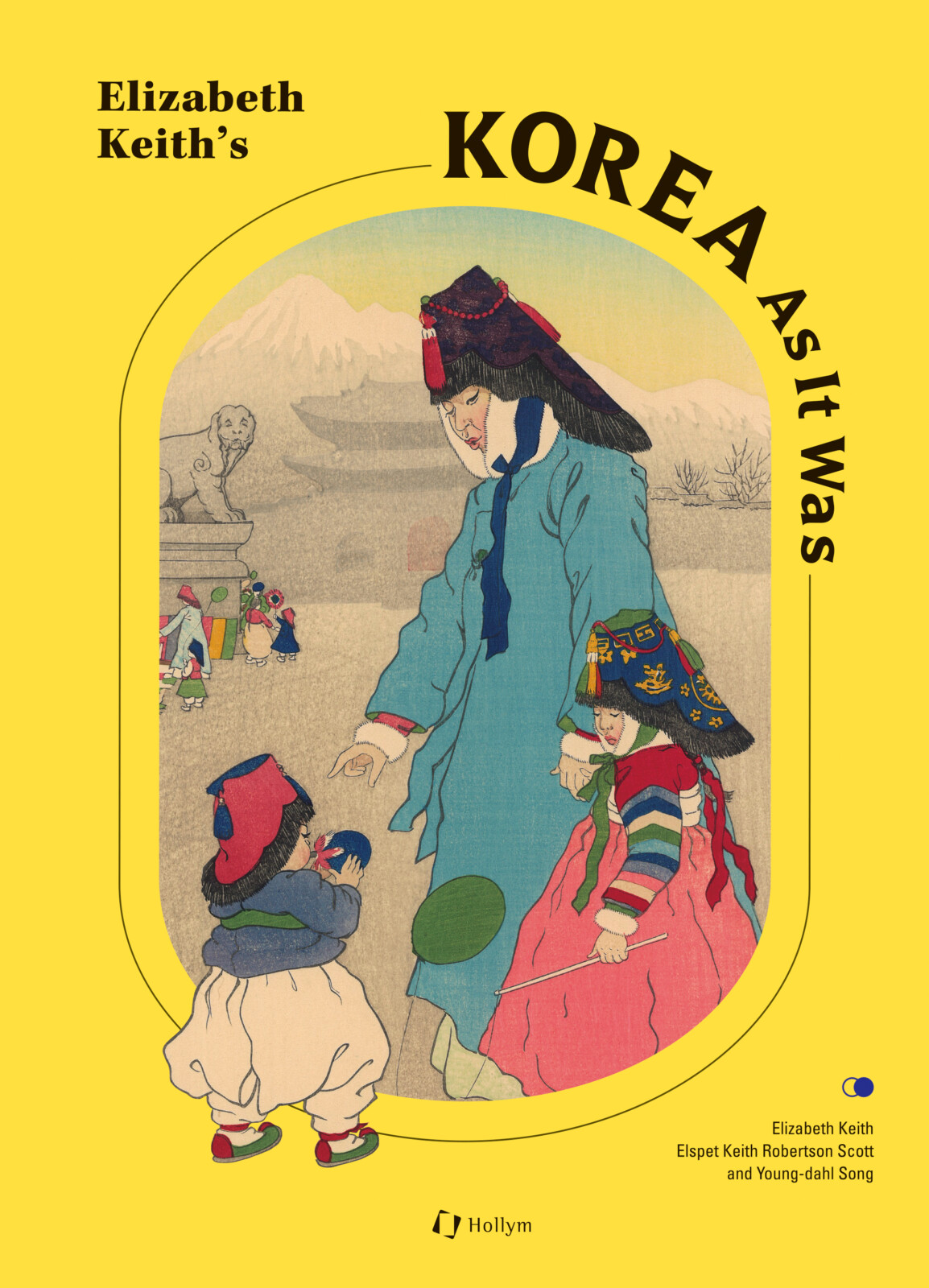
This book is a valuable collection that brings together paintings by Elizabeth Keith, a Western artist who captured the fading sceneries of the old Joseon in vivid colors, along with anecdotes and explanations. This is based on the book by Keith, Old Korea: The Land of Morning Calm, published in 1946 in the United Kingdom, with a rich addition of a total collection of Keith's Korea-inspired paintings and research by Professor Young-dahl Song, who specializes in Keith's artworks as a collector and scholar. It took him almost 30 years to complete his Keith collection. Despite her world acclaim, Elizabeth Keith was little known in Korea. We can have a brighter picture of the late Joseon Dynasty years, as she photographically painted these sceneries with in-depth understanding and deep affection for the Korean culture and Koreans. This book digitalized 85 artworks by Keith on Korea, from watercolor paintings to woodcut prints in super high-definition quality, and also printed them on quality pieces of paper that are fit for art brochures in order to present them in forms that are as original as possible. Also, the stories and explanations told by Professor Young-dahl Song, who has studied Keith's life and artworks for several decades, offer further understanding of readers. By publishing this English-language book, which redefines the relations between Keith and Korea in the richest way possible, readers in the English-speaking territory can now enjoy a look into the old landscape of Korea, which was loved by Keith but being forgotten. Readers can also enjoy appreciating Keith's exotic paintings that were reborn in the best-ever color and quality. About Elisabeth Keith Born in the Scottish town of Aberdeenshire, Elizabeth Keith traveled to Japan in 1915, the beginning of a nine-year stay in a number of Asian countries. She found herself deeply attracted to Asia’s beauty and culture. Keith visited Korea several times starting in 1919 and worked on watercolor paintings of the Korean culture and daily lives. It was also in 1919 when she held the first-ever exhibition of paintings on Korea in Tokyo and met Watanabe Shozaburo, who led the shin-hanga (New Prints) movement. This encounter led her to start working on woodblock prints. She had a prolific career as a woodblock print artist, mainly working at Watanabeʼs studio. In her later years, she assumed control of the whole process of etching and woodblock prints. In 1921, as the first Western-born artist to capture Asian subjects, Keith held an exhibition in Seoul, followed by another in 1934. From the 1920s, she also often held exhibitions in the United States and Europe. Her artworks are in the collections of several top-tier museums and galleries worldwide. Korea happens to be a subject that is most frequently visited in her artworks, and it was those pieces that earned her acclaim. In this sense, it is only fair to say that Keith and Korea have a special relationship. She was also an author of books including Old Korea (1946), Eastern Windows (1928), and Grin and Bear It (1917).