

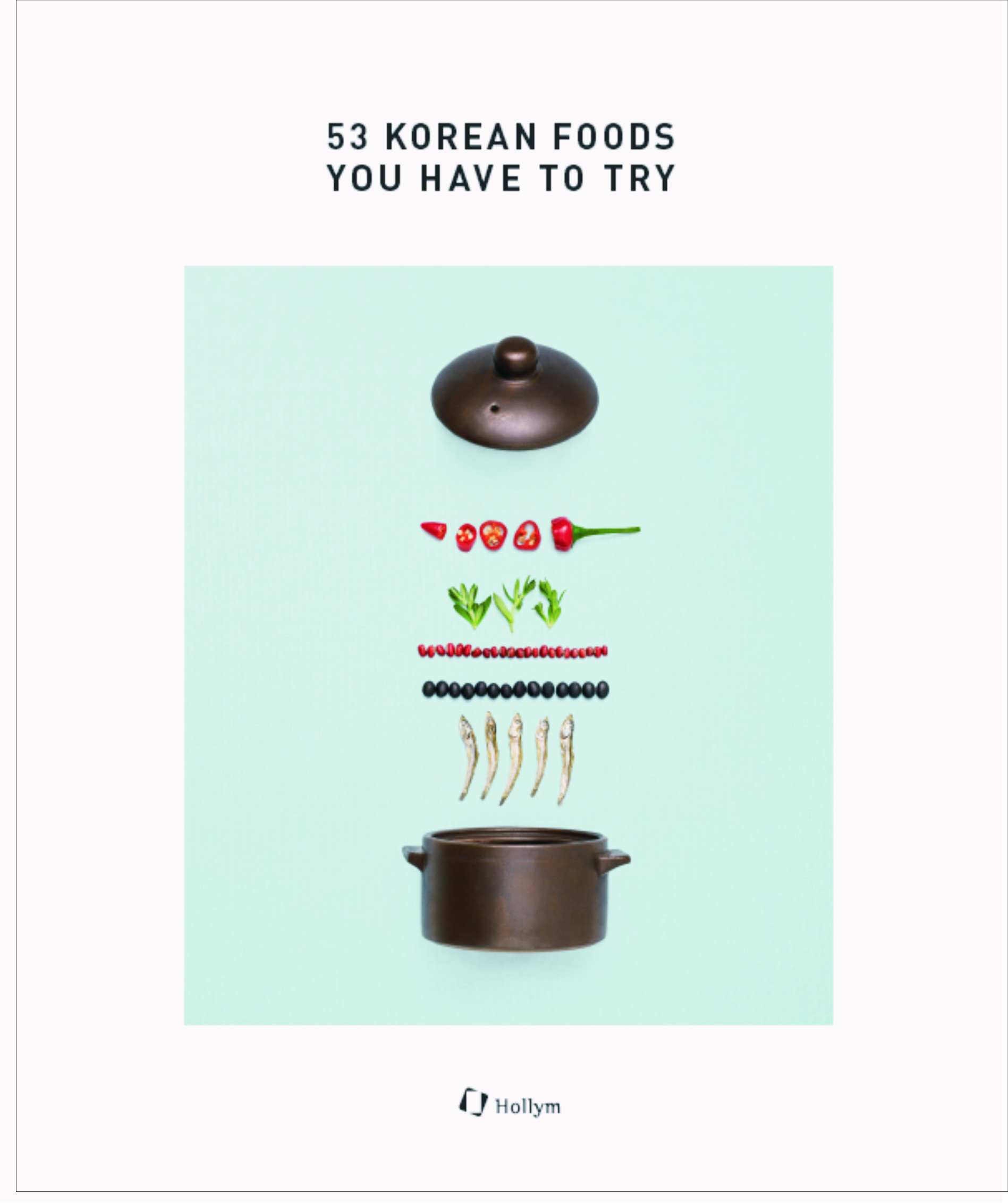
Simple and Straightforward Korean Food Recipes 53 Representative Food Recipes: Representations and Characteristics of Korean Food Healthy Korean Foods: No MSG or Chemical Seasoning are Included The Korean Food Foundation and Hollym have published 『53 Korean Foods You Have to Try』 which introduces variety of Korean foods that are easy to make and rich in nutrition. The menus selected here are representations and characteristics of Korean cuisine. The recipes are healthy and simple to prepare. The cooking method is also quite simple and straightforward, so those attempting to make Korean food for the first time will not be met too many difficulties during cooking once the ingredients are ready. This book is divided into seven sections and each section is organized by the main ingredients. Moreover, any kind of chemical or artificial seasoning (e.g. MSG) is not included in the recipe. One can then enjoy the true, Korean flavor and original taste of the ingredients. Also, most of the ingredients that are introduced in this book are easily found in almost every grocery store. Moreover, one can adjust the level of spiciness and saltiness of the seasoning to one’s taste. By publishing this book, we hope more people become more aware of Korean food and will enjoy it. Contents Introduction Ingredients / Korean-Style Eating / Menu Planning for Korean Food / Choosing Dinnerware for Korean Food / What to Drink with Korean Food 1. The Basis of Hansik, Korean Food Myeolchi-yuksu / Soegogi-yuksu / Chaeso-yuksu 2. Vegetable Dishes Rich in Dietary Fiber Ssam-bap / Oi-saengchae / Mu-saengchae / Kong-namul-muchim / Dotori-muk-muchim / Beoseot-bokkeum / Sigeumchi-namul / Hobak-namul / Japchae / Yeondubu / Dubu-jorim / Nokdu-bindae-tteok / Bibim-guksu / Kong-guksu / Gamja-sujebi / Sundubu-jjigae 3. Seafood Dishes Packed with Iron and Mineral Godeungeo-jorim / Ojingeo-bokkeum / Myeolchi-bokkeun / Kkotge-tang / Miyeok-guk / Haemul-pajeon 4. Good Sources of Protein, Meat and Egg Dishes Bulgogi / Galbi-gui / Galbi-jjim / Dak-galbi / Dak-gangjeong / Jjim-dak / Samgyetang / Bossam / Jaeyuk-bokkem / Pyogobeoseot-jeon /Gyeran-jjim / Yukgaejang 5. Gluten-free, Rice and Rice Dishes Ssal-bap / Chaeso-gimbap / Bibimbap / Kimchi-bokkeum-bap / Hobak-juk / Tteokguk / Tteok-bokki 6. A Gold Mine of Vitamin, Kimchi and Fermented Foods Baechu-kimchi / Oi-sobagi / Kkakdugi / Geot-jeori / Kimchi-jeon / Dubu Kimchi / Kimchi-jjigae / Doenjang-jjigae 7. Nutritious Snacks and Desserts That Boost Your Happiness Sujeonggwa / Patbingsu / Hotteok / Yaksik Index
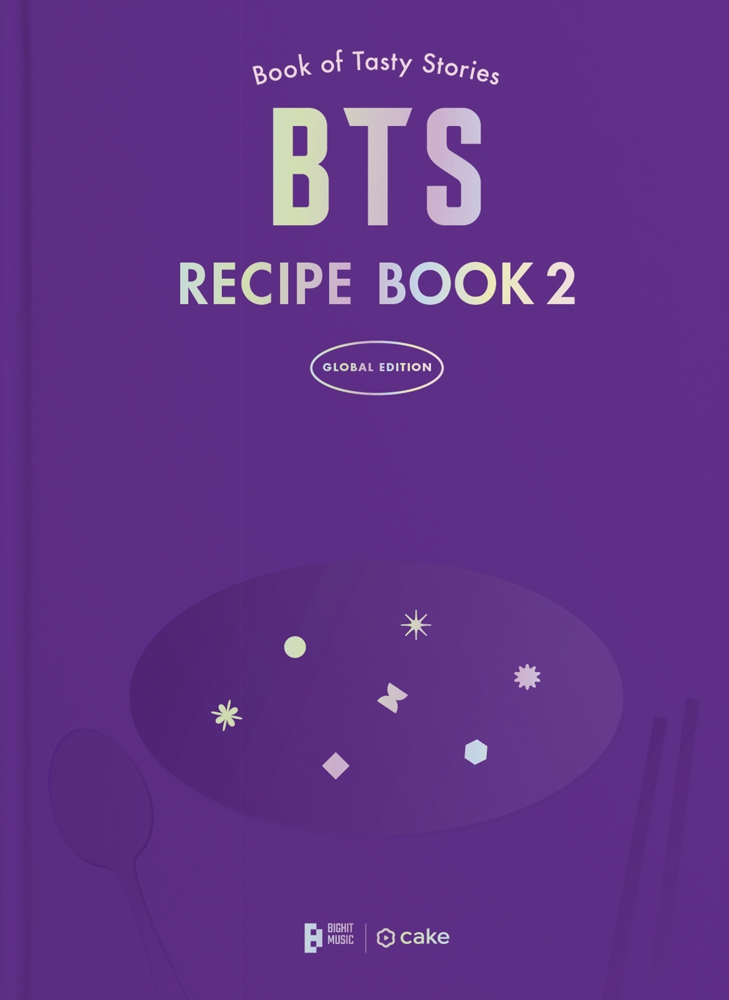
BTS Recipe Book 2: Book of Tasty Stories Now with 2 special gifts: Ingredients Cards + only from us: BTS Postcard **** LAST COPIES: Order at our special price while stocks last! **** Watch the trailer Meet BTS' new cooking stories and recipes, along with useful Korean expressions! Also included are guidelines for vegan, gluten-free recipesShall we take a trip to the kitchen with BTS? Contents IntroductionBTS’ Kitchen- 기본 조리 도구 (Kitchenware)- 기본 재료 (Basic Ingredients)- 양념 재료 및 계량법 (Spices, Seasonings, and Oil Measurements)1. 간편한 집밥 (Easy Homemade Meals)- 간장계란밥 (Ganjang Gyeran Bap)- 김치찌개 (Kimchi Jjigae)2. 취향 따라 만드는 도시락 (Box Lunches Just for You)- 김밥 (Gimbap)- 토스트 (Toast)3. 후루룩 면 요리 (Slurp! Noodle Dishes)- 칼국수 (Kalguksu)- 짜장 라면 (Jjajang Ramyeon)4. 매콤한 고기 요리 (Spicy Meat Dishes)- 닭갈비 (Dakgalbi)- 제육볶음 (Jeyuk Bokkeum)5. 특별한 만찬 (Dishes for Special Feasts)- 미역국 (Miyeokguk)- 잡채 (Japchae)- 떡국 (Tteokguk)- 불고기 (Bulgogi)6. 술과 어울리는 안주 (Perfect Pairings with Drinks)- 김치전 (Kimchijeon)- 계란말이 (Gyeran Mari)7. 달달한 디저트 (Sweet Desserts)- 달고나 (Dalgona)- 화채 (Hwachae)기본 조리법 (Basic Preparations)- 밥 (Rice)- 채소 국물 (Vegetable Broth)- 멸칫국물 (Anchovy Broth)- 고깃국물 (Beef Broth)Ingredients IndexReferences
Mängelexemplar: ein Bucheck angestoßen, sonst neu und einwandfrei Damaged Copy: one corner dented, otherwise new copy BTS Recipe Book 2Special Gift: Ingredients Cards + only from us: BTS Postcard Look Inside the book: Watch the video online Meet BTS' new cooking stories and recipes, along with useful Korean expressions! Also included are guidelines for vegan, gluten-free recipesShall we take a trip to the kitchen with BTS? Contents IntroductionBTS’ Kitchen- 기본 조리 도구 (Kitchenware)- 기본 재료 (Basic Ingredients)- 양념 재료 및 계량법 (Spices, Seasonings, and Oil Measurements)1. 간편한 집밥 (Easy Homemade Meals)- 간장계란밥 (Ganjang Gyeran Bap)- 김치찌개 (Kimchi Jjigae)2. 취향 따라 만드는 도시락 (Box Lunches Just for You)- 김밥 (Gimbap)- 토스트 (Toast)3. 후루룩 면 요리 (Slurp! Noodle Dishes)- 칼국수 (Kalguksu)- 짜장 라면 (Jjajang Ramyeon)4. 매콤한 고기 요리 (Spicy Meat Dishes)- 닭갈비 (Dakgalbi)- 제육볶음 (Jeyuk Bokkeum)5. 특별한 만찬 (Dishes for Special Feasts)- 미역국 (Miyeokguk)- 잡채 (Japchae)- 떡국 (Tteokguk)- 불고기 (Bulgogi)6. 술과 어울리는 안주 (Perfect Pairings with Drinks)- 김치전 (Kimchijeon)- 계란말이 (Gyeran Mari)7. 달달한 디저트 (Sweet Desserts)- 달고나 (Dalgona)- 화채 (Hwachae)기본 조리법 (Basic Preparations)- 밥 (Rice)- 채소 국물 (Vegetable Broth)- 멸칫국물 (Anchovy Broth)- 고깃국물 (Beef Broth)Ingredients IndexReferences
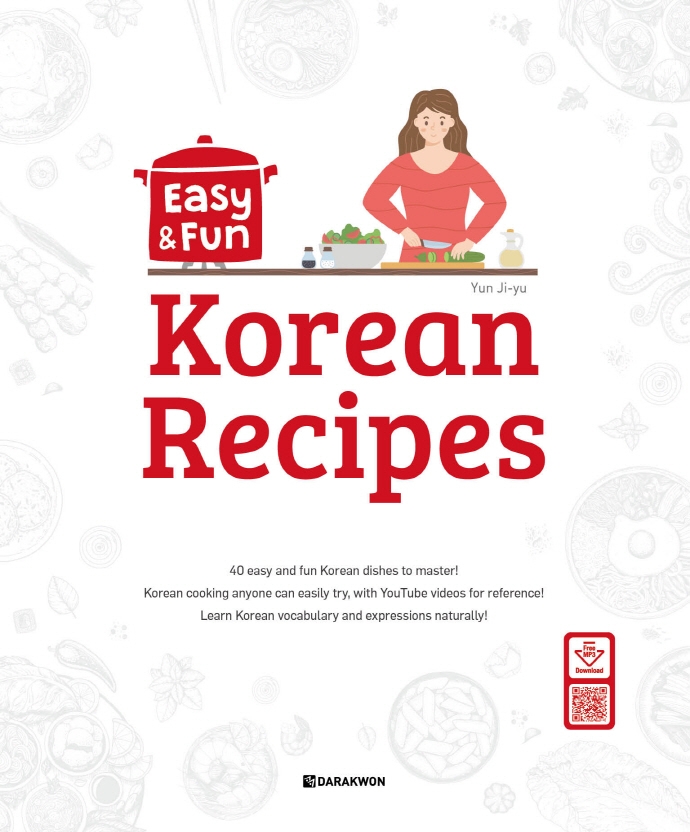
Easy and Fun Korean Recipes is a textbook that teaches Korean through cooking, created when the author considered how to make Korean learning more entertaining. It specially includes YouTube videos of the author personally cooking, to which readers can refer along with the textbook in order to make it easier to try cooking the 40 Korean dishes within. Dishes and snacks frequently eaten by Korean people are organized by 6 different ingredients (kimchi, rice, eggs/tofu, meat, seafood, etc.), and while learning how to cook Korean food, readers can also learn vocabulary related to simple ingredients and expressions, and even practice conversation. In addition, not only can readers instantly connect and refer to videos of each recipe via QR code, they can even hear each cooking terms and conversation sentences recorded by professional voice actors, provided via QR code as well. Download Audiofiles here Visit author's recipes on YouTubeIncludes 40 easy and fun recipes for Korean dishes that anyone can follow along withA textbook with 40 carefully selected Korean dishes organized by 6 main ingredients so that even foreigners can easily follow along and choose a dish to try cooking for themselves.Introduction of ingredients and the cooking process are provided together in Korean and English for easier understanding.Check the author’s cooking videos on YouTube via QR code for quick and easy understandingEach recipe includes a QR code so readers can instantly connect and refer to the author’s cooking videos on YouTube to understand the cooking process at a glance and follow along.Using videos that include step-by-step explanations of everything from the ingredients to the cooking process, readers can try cooking Korean dishes without difficulty.A Korean textbook you can use to study Korean cooking alongside Korean vocabulary and expressionsEach recipe includes relevant vocabulary for ingredients and cooking expressions, with simple explanations and example sentences, and readers can even learn Korean grammar.All vocabulary words and example sentences can be checked instantly by connecting via QR code to recordings from professional voice actors. Contents 김치볶음밥 Kimchi-bokkeumbap 김치전 Kimchijeon 김치찜 Kimchijjim 배추김치 Baechukimchi 2. 쌀 Rice떡꼬치 Tteok-kkochi 떡볶이 Tteokbokki 궁중떡볶이 Gungjungtteokbokki 비빔밥 Bibimbap 김밥 Gimbap 3. 달걀 · 두부 Eggs · Tofu달걀말이 Dalgyalmari 계란찜 Gyeranjjim 두부부침 Dububuchim 두부김치 Dubukimchi 순두부찌개 Sundubujjigae 4. 고기 Meat불고기 Bulgogi 갈비탕 Galbitang 갈비구이 Galbigui 갈비찜 Galbijjim 장조림 Jangjorim 소고기뭇국 Sogogi-mutguk 고추장불고기 Gochujangbulgogi 동그랑땡 Donggeurangttaeng 삼계탕 Samgyetang찜닭 Jjimdak 닭갈비 Dakgalbi 5. 해산물 Seafood해물파전 Haemulpajeon 미역국 Miyeokguk 새우전 Saeujeon 어묵탕 Eomuktang 오징어볶음 Ojingeo-bokkeum 6. 기타 Other된장찌개 Doenjangjjigae 부대찌개 Budaejjigae 잡채 Japchae 김말이 Gimmari 호떡 Hotteok 감자전 Gamjajeon 호박죽 Hobakjuk 핫도그 Hot dog 짜파구리 Jjapaguri AppendixExplantions in Korean Index
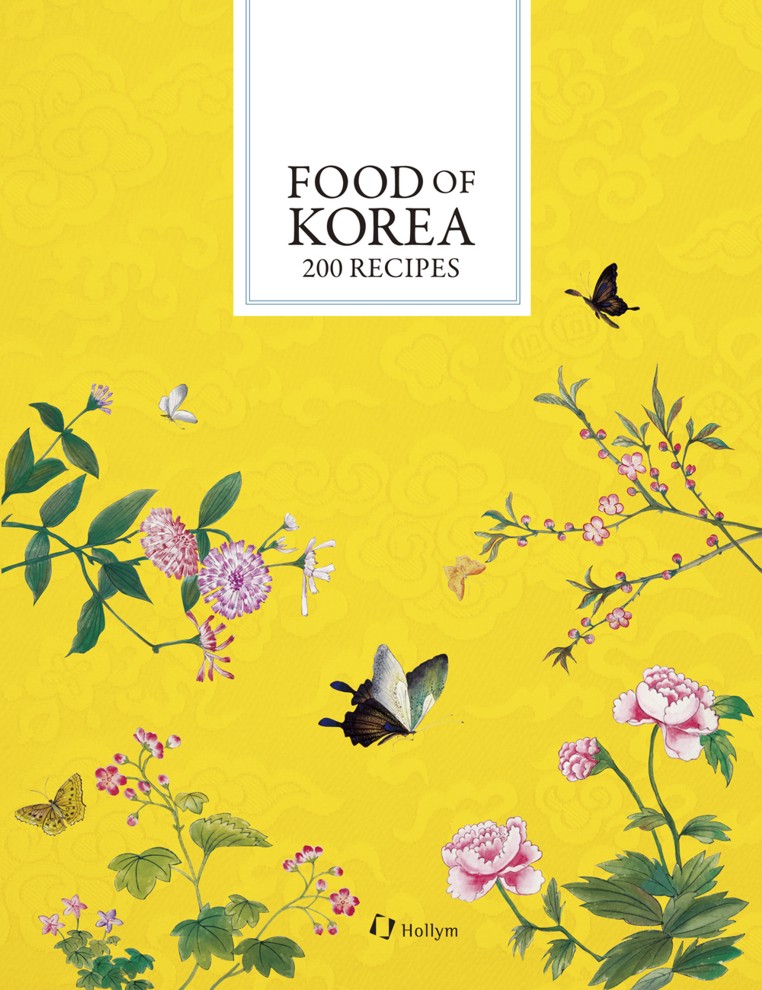
Food of Korea: 200 Recipes presents beautiful photos and carefully crafted recipes of dishes familiar to all who enjoy Korean food around the world. In addition to presenting a feast for those interested in preparing their own Korean delights, the book attempts to address the difficulty that exists when transliterating the names of Korean recipes into English. In order to advance Korean food culture throughout the world, this cookbook was compiled to support the standardization of Korean recipes with consistent English names for use in restaurants and search engines worldwide.Table of Contents Prologue Characteristics of Korean cuisine Ingredients of Korean cuisine Rice, Porridge & Noodles Soup & Stew Braised & Stir-Fried Dishes Grilled & Pan-Fried Dishes Kimchi & Jang Salad & Raw Food Desserts Information_Converting Measurements References Index
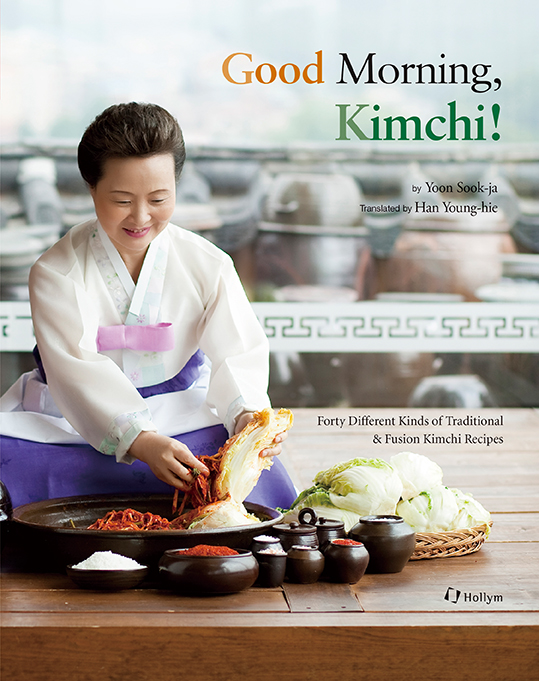
In part one of Good Morning, Kimchi, readers are taken on an odyssey through the pickled vegetable's theory and history, the science of the dish, along with its many different tastes, the ingredients and utensils needed to make it, and the customs associated with kimchi itself. In part two, facts concerning the reality of making kimchi are introduced before 20 types of traditional kimchi, all using Korean ingredients, are explained, and then 20 different types of fusion kimchi that blend ingredients from around the world with this distinctly Korean staple. Contents. Part I: Introduction Chapters on History, Science, Preparation, Storage, Ingredients etc. Part II: Traditional Kimchi Traditional Kimchi recipes, such as: Cabbage Kimchi, White Kimchi, Wrapped Kimchi, Soy Souce Kimchi, Radish Kimchi, Oyster Kimchi, Cucumber Kimchi, Ginsaeng Kimchi, Watery Kimchi and many more! Part III: Fusion Kimchi Modern Kimchi recipes with eggplant, carrot, turnip, green bean, broccoli, asparagus, cauliflower and many others!
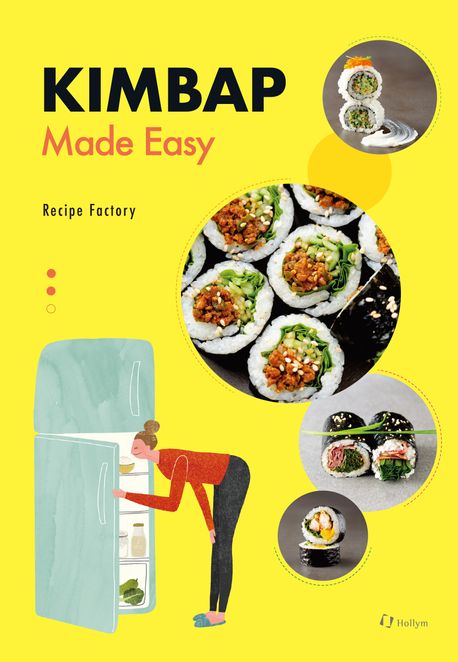
Explore Classic Korean Rice Rolls - 46 Easy-to-follow Kimbap recipes From basic kimbap to extra-special kimbap, this cookbook will help you make kimbap at home while capturing the texture and flavor of each ingredient. You’ll find 46 mouth-watering kimbap recipes here, each developed and tested by the test kitchen team at Recipe Factory, a company that has long specialized in menu development. At the beginning of the book, everything about the process of making kimbap is explained from A to Z in an easy-to-understand manner so that even beginners who have never made kimbap before can follow along. There are also detailed tips on how to overcome common mistakes, with answers provided to many of the questions you may have during the preparation process. From the middle part of the book, the recipes are organized by spiciness level so that you can choose the kimbap that best suits your preferred taste. The book also introduces ways to customize your kimbap by adding different seasonings and fillings, as well as by changing the type of rice you add and the way you roll it. Through this compact-sized book, which is as easy to hold in one hand as a piece of bite-sized kimbap, readers unfamiliar with this Korean classic dish can now make and enjoy authentic Korean kimbap. Table of ContentsCHAPTER 1 Basic Kimbap • Prepare the Laver & Kimbap Roller ••• 15 • Cooking Soft, Fluffy Rice ••• 16 • Seasoning the Cooked Rice ••• 20 • Combining Fillings ••• 22 • Prepare Delicious Fillings ••• 24 • Rolling & Rolling ••• 31 • Regular Kimbap ••• 32 • Premiun King Kimbap ••• 36 • Nude Kimbap ••• 38 • Egg Roll Kimbap ••• 40 • Water Drop Kimbap ••• 42 • Mini Kimbap ••• 44 • Square Kimbap ••• 44 • Neatly Slicing ••• 46 • Pack It Nicely ••• 47 Make It Extra Special • Enjoying Leftover Ingredients & Kimbap ••• 48 CHAPTER 2 Non-spicy Kimbap • Family Kimbap ••• 52 • Chicken Breast & Coleslaw Kimbap ••• 54 • Asparagus Kimbap ••• 56 • Flower Kimbap ••• 58 • Kabocha Squash & Tteokgalbi Kimbap ••• 60 • Smiley Kimbap ••• 62 • Smoked Duck Nude Kimbap ••• 64 • Bassak Bulgogi & Water Parsley Kimbap ••• 66 • Pork Cutlet Kimbap ••• 68 • Omelet Rice Kimbap ••• 70 • Avocado & Crab Meat Kimbap ••• 72 • Teriyaki Shrimp Kimbap ••• 74 • Sprout Salad & Tuna Kimbap ••• 76 • Eel Kimbap ••• 78 • Salmon Kimbap ••• 80 • Cucumber Cream Cheese Nude Kimbap ••• 82 • Pollock Roe Kimbap ••• 84 • Namul Kimbap ••• 86 • Addictive Kimbap ••• 88 • Buckwheat Kimbap ••• 90 Make It Extra Special • Perfect Side Dishes for a Kimbap Lunch Box •••92 CHAPTER 3 Slightly Spicy Kimbap • Seasoned Fried Chicken Kimbap ••• 94 • Burger Kimbap ••• 96 • Garlic Chives & Bacon Kimbap ••• 98 • Jeyuk Ssam Kimbap ••• 100 • Jangjorim Kimbap ••• 102 • Seasoned Yellow Pickled Radish Kimbap ••• 104 • Spam Egg Roll ••• 106 • Dried Radish Strips Kimbap ••• 108 • Mukeunji Kimbap ••• 110 • Dried Squid Strip Kimbap ••• 112 • Chungmu Kimbap ••• 114 • Tofu Kimchi Kimbap ••• 116 Make It Extra Special • Using Side Dishes from the Fridge as Kimbap Ingredients ••• 118 CHAPTER 4 Extra Spicy Kimbap • Spicy Yakgochujang Kimbap ••• 120 • Chili Tuna Kimbap ••• 122 • Hot Squid Kimbap ••• 124 • Spicy Fish Cake Kimbap ••• 126 • Myeolchu Kimbap ••• 128 • Spicy Nuts Kimbap ••• 130 • Ttaengcho Kimbap ••• 132 Make It Extra Special • Soups to Pair with Spicy Kimbap ••• 134 About the Author Founded in 2007, Recipe Factory specializes in menu development and cookbook publishing. It publishes highly collectible cookbooks for readers on home cooking, baking, and healthy cooking. Every recipe from the Recipe Factory is developed and thoroughly tested by the in-house expert team to ensure that it is accurate, practical, and successful, no matter who is following the recipe.
Here Are the 101 Korean Dishes You Should Know! You will obtain the knowledge and information on not only Korean dishes but Korean and Korean culture! To enjoy Korean food culture with other citizens of the world, the Korean Food Foundation has attempted to investigate various resources on Korean food and to inform others about the value of modernized Korean cuisine. Hollym Corp., Publishers and the Korean Food Foundation published the book Korean Food 101: A Glimpse into Everyday Dining. This book is released to introduce representative 101 Korean traditional dishes for English readers. This book consists of 10 chapters: “Cooked Grains and Porridge” “Noodles and Dumplings” “Soups” “Stews and Hot Pots” “Braised Dishes, Glazed Dishes and Stir-fried Dishes” “Grilled Dishes and Pan-fried Delicacies” “Sliced Raw Fish or Meat” “Kimchi” “Basic Side Dish” “Rice Cake, Korean Sweets and Beverages.” Readers could know the origins, common misconceptions, behind story of each Korean cuisine. The noticeable response of celebrities who tried to tasted Korean food, easy recipes for good taste, and prestigious locations for specific dishes are also introduced occasionally. Even more, all the Korean dishes are spelled in the Roman alphabet to best guide readers to correct reading and pronunciation. Throughout the Korean Food 101, readers could easily get the knowledge and information on Korean dishes, because the book introduces dishes as not heavily. The book especially will be good for the people who do not know the details but have interests on Korean food and its culture. Furthermore, readers might understand not only Korean food but also Korean and Korean culture via reading the book. Additionally, they could get the answer of these questions: What does Korean mainly eat for a late-night snack? Why does Korean east sea mustard soup on their birthday?, Why do Korean have dried pollack soup for relieving hangover?, etc. Contents PREFACE THE CULINARY CULTURE OF KOREA BAP & JUK (Cooked Grains and Porridge) 밥 & 죽 Bap / Dolsot-bap / Bibimbap / Gimbap / Ssambap / Kimchi-bokkeum-bap / Bulgogi-deopbap / Ojingeo-deopbap / Kongnamul-gukbap / Jat-juk / Hobak-juk / Jeonbok-juk 밥 / 돌솥밥 / 비빔밥 / 김밥 / 쌈밥 / 김치볶음밥 / 불고기덮밥 / 오징어덮밥 / 콩나물국밥 / 잣죽 / 호박죽 / 전복죽 MYEON & GUKSU (Noodles and Dumplings) 면 & 국수 Mul-naengmyeon / Bibim-naengmyeon / Janchi-guksu / Bibim-guksu / Jaengban-guksu / Memil-guksu / Kong-guksu / Kalguksu / Mandu 물냉면 / 비빔냉면 / 잔치국수 / 비빔국수 / 쟁반국수 / 메밀국수 / 콩국수 / 칼국수 / 만두 GUK & TANG (Soups) 국 & 탕 Doenjang-guk / Miyeok-guk / Bugeo-guk / Yukgaejang / Tteok-guk / Galbi-tang / Gomtang / Seolleong-tang / Samgye-tang / Maeun-tang / Gamja-tang 된장국 / 미역국 / 북엇국 / 육개장 / 떡국 / 갈비탕 / 곰탕 / 설렁탕 / 삼계탕 / 매운탕 / 감자탕 JJIGAE & JEONGOL (Stews and Hot Pots) 찌개 & 전골 Doenjang-jjigae / Kimchi-jjigae / Cheongguk-jang-jjigae / Sundubu-jjigae / Budae-jjigae / Sinseollo / Gopchang-jeongol / Guksu-jeongol / Dubu-jeongol / Mandu-jeongol / Bullak-jeongol 된장찌개 / 김치찌개 / 청국장찌개 / 순두부찌개 / 부대찌개 / 신선로 / 곱창전골 / 국수전골 / 두부전골 / 만두전골 / 불낙전골 JJIM, JORIM & BOKKEUM (Braised Dishes, Glazed Dishes and Stir-fried Dishes) 찜, 조림 & 볶음 Galbi-jjim / Dak-maeun-jjim / Dak-baeksuk / Bossam / Jokbal / Agwi-jjim / Haemul-jjim / Galchi-jorim / Godeungeo-jorim / Eun-daegu-jorim / Dubu-jorim / Dubu-kimchi / Tteok-bokki / Nakji-bokkeum / Ojingeo-bokkeum / Jeyuk-bokkeum 갈비찜 / 닭매운찜 / 닭백숙 / 보쌈 / 족발 / 아귀찜 / 해물찜 / 갈치조림 / 고등어조림 / 은대구조림 / 두부조림 / 두부김치 / 떡볶이 / 낙지볶음 / 오징어볶음 / 제육볶음 GUI & JEON (Grilled Dishes and Pan-fried Delicacies) 구이 & 전 So-galbi-gui / Tteok-galbi / Dwaeji-galbi-gui / Bulgogi / Ttukbaegi-bulgogi / Sogogi-pyeonchae / Samgyeopsal-gui / Saengseon-gui / Hwangtae-gui / Chuncheon-dak-galbi / Gopchang-gui / Ori-gui / Deodeok-gui / Pajeon / Bindae-tteok / Kimchi-jeon / Modum-jeon 소갈비구이 / 떡갈비 / 돼지갈비구이 / 불고기 / 뚝배기불고기 / 소고기편채 / 삼겹살구이 / 생선구이 / 황태구이 / 춘천닭갈비 / 곱창구이 / 오리구이 / 더덕구이 / 파전 / 빈대떡 / 김치전 / 모둠전 HOE (Sliced Raw Fish or Meat) 회 Saengseon-hoe / Yuk-hoe / Hongeo-hoe 생선회 / 육회 / 홍어회 KIMCHI (Kimchi) 김치 Baechu-kimchi / Baek-kimchi / Nabak-kimchi / Kkakdugi / Oi-sobagi 배추김치 / 백김치 / 나박김치 / 깍두기 / 오이소박이 MIT-BANCHAN (Basic Side Dish) 밑반찬 Namul / Gujeol-pan / Dotori-muk / Oi-seon / Japchae / Tangpyeong-chae / Haepari-naengchae / Jangajji / Jeotgal / Ganjang-gejang 나물 / 구절판 / 도토리묵 / 오이선 / 잡채 / 탕평채 / 해파리냉채 / 장아찌 / 젓갈 / 간장게장 TTEOK, HANGWA & EUMCHEONGRYU (Rice Cake, Korean Sweets and Beverages) 떡, 한과 & 음청류 Tteok / Hangwa / Cha / Sikhye & Sujeonggwa / Nurungji & Sungnyung / Makgeolli 떡 / 한과 / 차 / 식혜&수정과 / 누룽지&숭늉 / 막걸리 INDEX
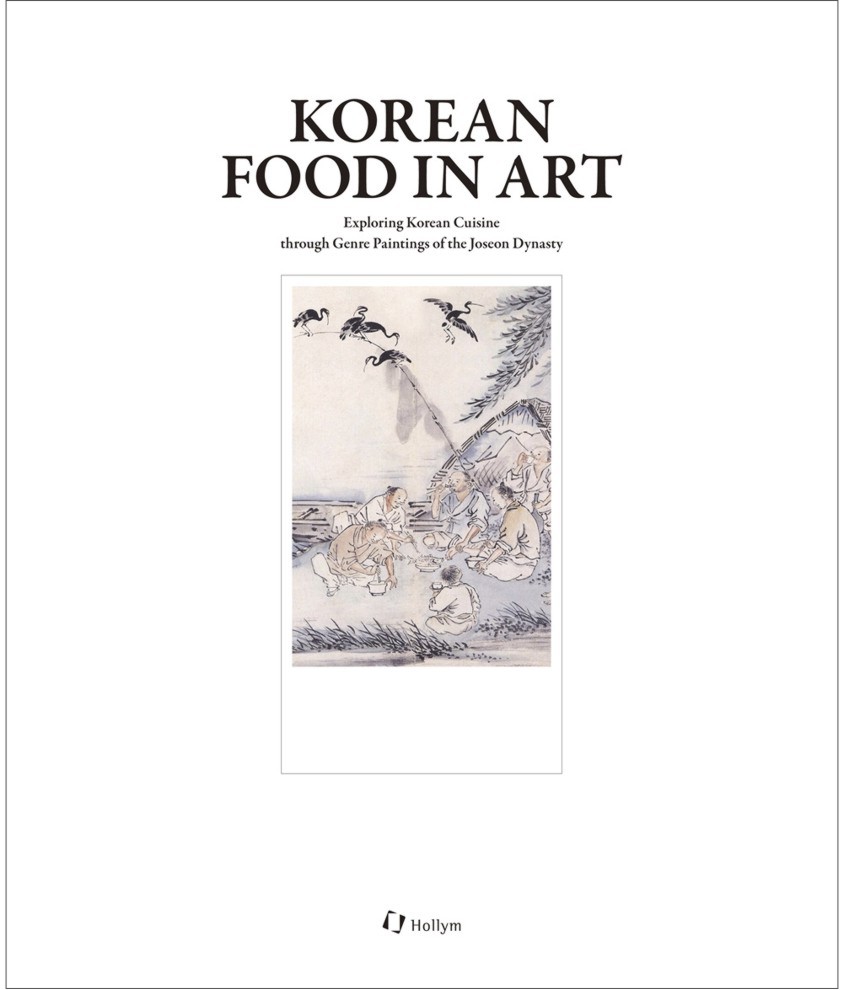
The Korean people have a culinary history that is as long and colorful as the history of the nation, recorded not only in documents but vividly captured in the paintings of the time. This book, Korean Food in Art, comprises a selection of important genre paintings and documentary paintings of Joseon accompanied by commentary explaining the food featured in the works. It gives a vivid account of the everyday food and culinary culture of the Joseon people, the food set on tables for special occasions such as rites of passage and banquets in the royal court, and the process of producing food ingredients and cooking dishes to eat. The Korean Food Promotion Institute The Korean Food Promotion Institute is a specialized public organization that searches for new dishes and conducts research on Korean cuisine in order to introduce Korean food and culinary culture to the world, and supports related content development and marketing. TABLE of CONTENTS Part 1. Food from the Land and Sea Rice Threshing Catching Fish Salt Furnace The Markets By The Well Water Carriers Milking Making Noodles Making Bean Curd Pounding Rice Cakes Making Taffy Scooping Rice and Setting The Table Part 2. Food in Festive Settings Raising A Cup For A Drink Going On A Spring Picnic Lunch Eathing And Drinking By The Riverside Tavern Drinking At A Gisaeng House Party In The Field Party Outdoors After Snow Part 3. Food for Ceremonies and Celebrations First Birthday Celebration First Bow Between The Bride And Groom, Wedding Ceremony, Feast For The Bride Sixtieth Birthday Celebration Sixtieth Wedding Anniversary Celebration Invoking The Spirit Of The Dead At The Funeral Rite After The First Wearing Of Mourning Clothes, First And Second Anniversaries Of Death
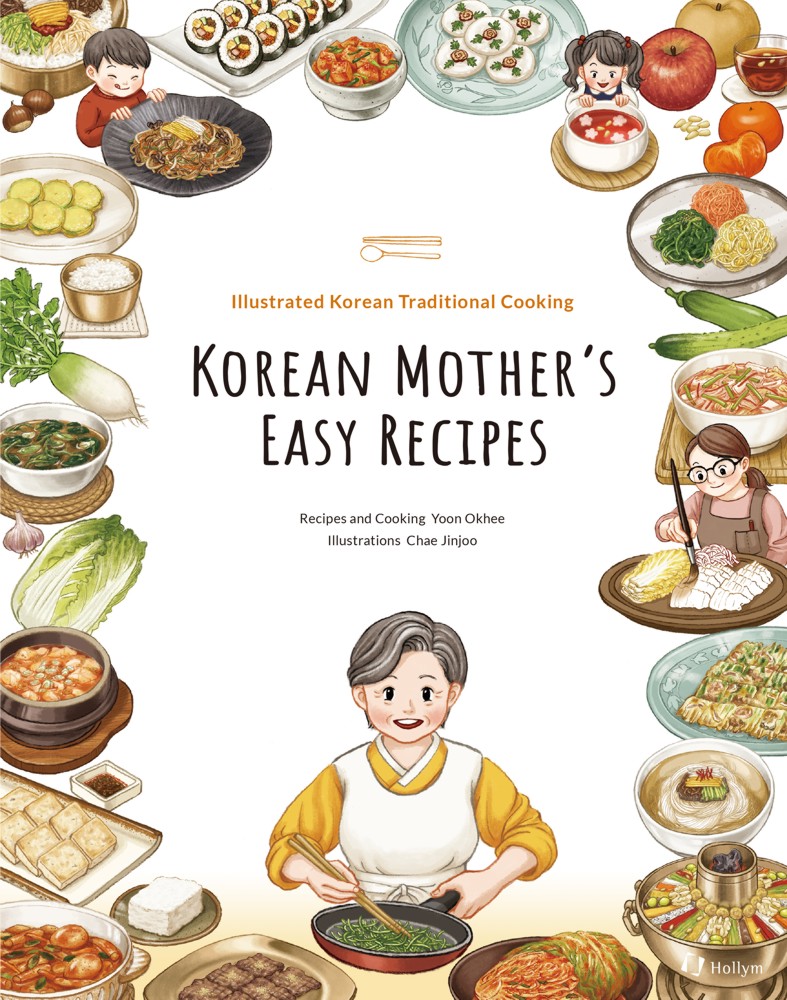
Learn how to make traditional Korean dishes at home with easy-to-follow illustrations. The author, who has taught Korean cooking to students from all over the world for 20 years, has selected 40 Korean recipes that are fun and easy to make. Main dish, side dish and dessert recipes are illustrated with step-by-step instructions so even beginners can easily follow them. The book also includes special dishes for hosting parties. After practicing Korean cooking and different cuisine from all over the world and teaching Korean cooking at the Blue House Korean Food Experience Center, Cheong Wa Dae Sarangchae, the author has written a book that anyone can follow and enjoy traditional Korean food in the easiest way. About the Author Recipes and Cooking Mother Yoon Okhee Researcher of Korean Cuisine, Master Craftsman Cook and Doctor of Science Yoon Ok-hee majored in food and nutrition and went on to lecture at the university level. She lived in Japan for 4 years where she became interested in food from different parts of the world. Returning to Korea, she learned Korean traditional cuisine from Professor Kang In-hee, a master of Joseon period cuisine, and grew her knowledge and passion for Korean cuisine after studying, a Korean traditional medical book, <Donguibogam>. In addition to more than 20 years of operating her own cooking academy and lecturing at universities, Yoon has expanded her expertise through the Korean family restaurant Sannae Deulnae, the Korea Food and Culture Institute, and the Cheong Wa Dae Sarangchae Korean Food Experience Center. She now hopes to share the true taste and value of Korean cuisine to her daughter and all those who are interested in Korean cuisine. Illustrations Daughter Chae Jinjoo Illustrator & Doll Artist Instagram @bodlebodle After studying Visual Design, she began working as an illustrator and doll artist. Ever since she was young, Chae has always been interested in drawing, crafts, and the colorful dishes her mother made for her. But her passion was more focused on eating the food rather than the cooking itself. Her interest in cooking grew as she became a mother who tries to regularly make healthy and delicious meals for her children. She is now ready to learn the taste and value of Korean cuisine from her mother.
This book describes 55 popular Korean recipes with concise and easy-to-follow instructions. It includes meats, fish, soups, vegetable salads and desserts. Every recipe in this book has been thoroughly tested to make sure it can be prepared with ease and confidence by cooks who are unfamiliar with Korean ingredients and cooking techniques. Step-by-step preparations are illustrated in full color. Incl. a list of Korean ingredients and dishes in Korean-English explanation. Contents: Soups and Rice (9 recipes) Side Dishes (35 recipes) Sweet Dishes (11 recipes)

“Hansik is not just food-it is a living culture shaped by nature, philosophy, and the Korean way of life.”Food as Culture, Not Merely CuisineRooted in centuries of history and shaped by Korea’s natural environment, philosophy, and way of life, hansik-Korean cuisine-is far more than a collection of dishes. It is a living cultural system that reflects how Koreans understand nature, community, and the human body. Four Seasons of Hansik invites readers to encounter Korean culture through food, revealing how everyday meals embody emotional sensibilities, aesthetic values, and a deep respect for balance and harmony.A Cuisine Shaped by Land, Sea, and SeasonsKorea’s geography and four distinct seasons have shaped a cuisine deeply attuned to nature. Surrounded by seas and rich in mountains and plains, the Korean Peninsula fostered a food culture centered on rice, seafood, wild greens, and fermented staples. Seasonal foods (sijeolsik)-from spring herbs and summer stamina dishes to autumn harvest foods and winter fermentation-reflect the belief that food and medicine share the same origin. Eating in season is presented not only as a culinary preference, but as a philosophy of living in rhythm with nature.Yin-Yang, the Five Elements, and the Harmony of TasteCentral to hansik is the harmony of yin and yang and the Five Elements, which guide the balance of flavors, colors, and ingredients. Sour, bitter, sweet, spicy, and salty tastes are combined to nourish specific organs and maintain bodily equilibrium. Dishes such as bibimbap exemplify this principle, blending multiple flavors and colors into a single, balanced whole. The book also introduces gamchilmat, the deep umami flavor born from fermentation and time, which has become a defining characteristic of Korean taste.Fermentation and the Depth of FlavorFermented foods such as kimchi, doenjang, gochujang, and jeotgal form the backbone of Korean cuisine. Through carefully managed fermentation, these foods develop complex layers of flavor that deepen over time. The book shows how fermentation is not only a method of preservation, but a cultural practice that connects Korean food to nature, patience, and collective memory-qualities increasingly valued in contemporary global food culture.Elegance, Restraint, and the Korean TableBeyond taste, Four Seasons of Hansik explores the elegance and restraint that define Korean food culture. Values such as moderation, balance, and communal sharing are reflected in table settings, side dishes, and traditional vessels including celadon, white porcelain, onggi, woodenware, and bangjja yugi (brassware). Food is presented without excess, emphasizing harmony between people, nature, and the table.Hansik as Living Cultural HeritageBy weaving together philosophy, regional foodways, seasonal customs, and aesthetic traditions, this book offers an immersive introduction to Korean cuisine as cultural heritage. It invites readers to see hansik not simply as what Koreans eat, but as how they live-how a single bowl of rice can carry history, care, and a way of life, and how Korean cuisine continues to speak to the modern world through timeless principles of balance and harmony.Table of Contents Prologue Elegance Beyond Delicacies in HansikHallyu: Spawning Culture through FoodThe Flavors of Korean CuisineThe Style of Korean CuisineThe Four Seasons of HansikSpringSummerAutumnWinterEpilogue
75 Representative Food Recipes: Staple for Learning How to Cook Korean Food Giving Tips on Shopping for Ingredients Easily in Other Countries To enjoy Korean food culture with other citizens of the world, the Korean Food Foundation and Hollym Corp., Publishers published the Korean cookbook: The Korean Kitchen: 75 Healthy, Delicious and Easy Recipes. The book was released to introduce representative Korean traditional dishes. The book provides not only 75 Korean food recipes, but also basic ingredients of Korean cuisine, techniques to make Korean dishes, and the traditional Korean table setting. Because purchasing ingredients is an important part of cooking Korean food, the book especially gives tips on shopping for ingredients easily in other countries. The book also refers to some alternative food materials as a tip on the recipes. Its Korean edition is also published. The book contains representative Korean recipes such as rice mixed with vegetables and beef (bibimbap), spicy soft dubu stew (sundubu-jjigae), dumplings (mandu), grilled marinated beef (bulgogi), and braised short ribs in soy sauce (galbi-jjim), etc. The recipes are divided into (1) Rice, Porridge and Noodles, (2) Soups and Stews, (3) Special Dishes, (4) Side Dishes, (5) Kimchi, and (6) Desserts. There were many photos to illustrate steps and clearer explanation in the recipes of the book. Through this book, readers will be able to cook from everyday dishes to fancy feasts to beverages and desserts. Korean cuisine has gained world-wide attention as healthful foods because of the increased number of grains and vegetables compared to Western foods, as well as the scientifically proven benefits of fermented foods. Additionally, “Korean kimchi and kimchi culture” was listed as a UNESCO world intangible cultural heritage in December, 2013; thus, Korean food culture is not only a Korean resource but also a world wide cultural asset that should be preserved and passed on. In this time, The Korean Kitchen will be good choice for people interested in Korean home cooking and for Korean-Americans who want to learn how to cook Korean. This book might be a good friend to the global kitchen. CONTENTSKorea Cuisine CultureIngredients and Basic Techniques of Korean CuisineTop 12 Korean FoodRice, Porridge and NoodlesSoups and StewsSpecial DishesSide DishesKimchiDesserts