New Books on Korean Culture by Hollym Publishers
“The Lives and Stories of the Nameless People Behind the Splendor of the Palace” A Hidden World Behind the SplendorBehind the grand halls, elegant rooftops, and royal magnificence of the palace lay another world-one largely unknown. This book explores the palace as a place sustained by countless invisible hands: organizing documents, preparing food, and crafting garments. It reveals the roles of these individuals and the intricate system they built and refined over generations.The King’s Day and Those Who Moved ItThe king’s daily routine was more than a personal schedule-it symbolized the order of the nation. From the moment he awoke, through study, court assemblies, and rituals, every aspect of his day followed Confucian principles. His daily life embodied the values and governing philosophy of Joseon society. Following the king from dawn, this book presents a vivid portrait of palace life while illuminating how court ladies, eunuchs, and officials worked in coordination to sustain both the royal household and the state.A Refined System and Hidden TensionsThe palaces of Joseon were not merely royal residences, but living systems where politics, ritual, and daily life coexisted. From the king’s meals and attire to the delivery of royal commands, everything was governed by strict rules and procedures. Beneath the elegance lay constant tension and responsibility, where even the smallest mistake was unacceptable, and the palace operated on unwavering order.The Stories of Those Hidden in HistoryBehind the palace stood countless individuals-court ladies, eunuchs, royal secretaries, cooks, and artisans-each playing a vital role in sustaining the king’s life and the workings of the state. Their expertise and dedication, from preparing meals and safeguarding the king’s health to delivering commands and keeping records, kept the palace running. Through this book, the lives of those often absent from official records are brought vividly to life. Their devotion, sacrifice, and humanity transform the palace into a living space rather than a mere structure.A New Way to See the PalaceFollowing the king’s daily routine, this book shines a light on the people who brought the palace to life. Through the stories and presence of those who existed beyond its splendid architecture, it reveals how the palace functioned as a living entity. Readers will come to see that the palace is not simply a historic structure, but a world shaped and sustained by people. About the Author Kim Hyunjung graduated from Ewha Womans University with a degree in Korean Language and Literature and completed a master’s program in Korean language education at Sungkyunkwan University’s Graduate School of Education. She has worked as a broadcast writer, producing current-affairs and cultural programs centered on history, everyday life, and human stories, including KBS 1TV’s Documentary Insight – The Big Team and the TVING original documentary series Food Chronicle and Human Chronicle. In her first book, Living Palaces, she draws on a narrative sensibility cultivated through her experience as a middle and high school Korean language teacher, as well as her work in publishing, writing, and magazine editing, to vividly portray the lives and roles of the people who sustained Korea’s royal palaces, offering a compelling glimpse into the richness of Korean royal culture.
“Where sorrow is released and hope begins.”A World Beyond Life and DeathKorean shamanism unfolds in a mysterious realm where the boundaries between life and death, the visible and invisible, are constantly crossed. At the heart of this world lies gut, a ritual that is at once religion, performance, and communal experience. Though it may seem incomprehensible through logic, it resonates deeply with human emotion, offering a powerful and immersive entry into Korea’s spiritual imagination and cultural identity.Gods, Myths, and the Korean SubconsciousThis book introduces the rich pantheon of Korean shamanistic deities—from household gods that protect everyday life to legendary figures such as Princess Bari and Danggeumaegi, who embody the cycles of birth, death, and rebirth. These myths are not distant relics of the past, but living narratives that continue to shape Korean consciousness, reflecting enduring questions about fate, suffering, and human existence.Mudang: Bridging Two WorldsAt the center of these rituals stand the mudang, the shamans who serve as intermediaries between humans and the spirit world. Acting simultaneously as priests, prophets, and healers, they deliver divine messages, guide the living through uncertainty, and comfort the dead. Through music, dance, and states of possession, mudang transform ritual into a powerful act of communication, creating a space where human emotion and divine presence intersect.Ritual as Performance, Healing, and ExperienceGut rituals are dynamic and multisensory events that combine sound, movement, costume, and symbolic objects into a compelling performance. From the rhythmic beating of drums and gongs to dramatic acts such as spirit possession and walking on blades, these rituals vividly manifest the presence of the unseen. At the same time, they serve as spaces of emotional release, healing, and communal bonding, where participants confront grief, hope, and the uncertainties of life.A Living Tradition in a Modern WorldDespite modernization and historical suppression, Korean shamanism continues to thrive as a living and evolving tradition. Today, it is reinterpreted through film, music, and global cultural content, while still offering comfort and meaning in times of crisis. More than a belief system, shamanism is a human story—one that confronts suffering, embraces hope, and continually asks the timeless questions: Why do we live, and how should we live?About the AuthorPark WeonmoAn international expert who has supported the safeguarding of intangible cultural heritage (ICH) in the Asia-Pacific region for the implementation of the UNESCO 2003 Convention over the past two decades. He developed an interest in Korean shamanism while studying at Yonsei University and later studied at Rikkyo University in Japan as a Japanese Ministry of Education scholarship student, conducting fieldwork in Korea and Japan and carrying out comparative research on the two countries’ folk performing arts, particularly ritual performances including shamanistic practices.After returning to Korea, he worked on documentation projects for National Intangible Cultural Heritage at the National Research Institute of Cultural Heritage and later works at UNESCO-ICHCAP, promoting regional cooperation and information capacity for safeguarding intangible cultural heritage, and serves as an adjunct professor at the Korea National University of Cultural Heritage.PhotographerKim Sangsoo worked for 30 years as a photographer and editor-in-chief of Monthly Our Sea.He currently works as a photographer at the Institute of Korea Maritime Culture Studies, where he documents domestic and international folklore and shamanism through photography.
“The cultural code behind the global phenomenon of K-pop.”The Secret Behind a Global PhenomenonK-pop has captivated the world with its infectious energy, powerful performances, and devoted global fandom. But what lies beneath its success? The Korean Groove traces the roots of K-pop beyond modern pop culture, revealing the deep cultural foundations that have shaped its distinctive sound, rhythm, and spirit. By looking beyond the surface, the book invites readers to see K-pop not as a sudden trend, but as the result of a long cultural evolution.Emotions That Shape a NationAt the heart of Korean culture are powerful emotional currents—han (deep sorrow), heung (joyous excitement), jeong (affection), and uiri (loyalty). These emotions, formed through Korea’s complex history, are not abstract ideas but lived experiences that continue to shape artistic expression. The book explores how these sentiments are embedded in music, performance, and communal life, revealing how emotional depth and contrast create Korea’s unique cultural energy.From Tradition to Global StageFrom pansori and arirang to mask dance dramas, folk games, and festivals, Korea’s traditional arts have long combined music, movement, and storytelling into immersive communal experiences. These traditions, rich with rhythm and participation, form the cultural DNA that continues to resonate in today’s K-pop performances, concerts, and fan culture. By drawing these connections, the book shows how tradition is not separate from modern culture, but actively lives within it.The Power of Participation and ConnectionOne of the defining features of Korean culture is participation—the blurring of boundaries between performer and audience. Whether through collective singing, street cheering, or traditional performances, people come together to share emotion and energy. This spirit of unity is a key force behind the global appeal of K-pop, transforming audiences into active participants rather than passive spectators.A New Way to Understand K-PopMore than a music genre, K-pop is the culmination of centuries of cultural expression and emotional heritage. By uncovering the connections between tradition and modernity, The Korean Groove offers readers a deeper understanding of why Korean culture resonates so powerfully around the world—and why its influence continues to grow. It ultimately reframes K-pop as a cultural language that speaks across borders.About the AuthorKim Kwanghee received his Ph.D. in Literature from Korea University. He currently serves as the Head of the Korea Heritage Agency, Royal Palaces and Tombs Project Department and, as a Cultural Heritage Specialist at the Korea Heritage Service, participates in human heritage research. He also teaches intangible cultural heritage and traditional performing arts at the Korea National University of Cultural Heritage, Sungkyunkwan University, and Dongguk University, and works as a Baltal (Foot Mask Theater) educator, continuing the tradition of traditional arts.He seamlessly navigates the traditional and contemporary world, conveying the essence of Korean culture and its divine energy. Through his writings and lectures, he explores the diverse and accessible aspects of the Korean Wave, from the exploration of traditional folk songs in K-pop to the exploration of traditional Korean music, offering readers a fresh and engaging experience. Contents Prologue10 Old Emotions, a New Stage12 Glossary of Korean Sentiments12 Definitions13 The Repressed Sorrow of Han, the Fiery Anger of No14 The Unwavering Loyalty of Uiri, the Deep Affinity of Jeong16 The Lively Cheer of Heung, the Joyous Exhilaration of SinmyeongSecret Code 1 | Songs20 Washing Away Sorrow with Exhilaration20 Songs that Heal Me and Comfort You: The Traditional Korean Epic Chant of Pansori26 The Song of a Nation, Blooming Across the Land of Korea: Arirang33 As Slowly as Possible, as Quickly as Possible: Gayageum Sanjo and Byeongchang38 A Magic Spell to Make Even Farming Feel Joyful: NongyoSecret Code 2 | Dance42 Reconciling Han Through Sinmyeong42 A Dance of Liberation Underneath the Full Moon: Ganggangsullae48 Delicate Hand Gestures that Comfort Our Hearts: Salpurichum53 The Solemn Dance of Cheoyong, the Son of the Dragon King: Cheoyongmu59 Beauty Blooming in Self-Restraint: Seungmu65 A Royal Dance to Pray for Peace: TaepyyeongmuSecret Code 3 | Theater70 Wiping Off Tears with Laughter70 Satire and Humor in the Thousand Faces of Korean Traditional Masks: Andong Hahoe Byeolsingut Talnori79 The Wish of a Lion, the King of Animals: Bukcheong Saja Noreum83 Laughter and Satire Unfolding from the Tip of the Foot: BaltalSecret Code 4 | Folk Games and Performances90 To Overcome Hardship with Joyous Energy90 A Performance to Forget the Rigors of Hard Labor and Stir Sinmyeong Within the Spirit: Nongak98 A Performance of the Common People, by the Common People, and for the Common People: Namsadang Nori106 Tug of War, a Game of Togetherness: Gijisi Juldarigi111 A Game of Dynamic Harmony: Andong Chajeon NoriSecret Code 5 | Festivals118 Festivals Inspiring Joyous Exhilaration118 A Millennium-Old Agricultural Festival: Gangneung Danoje124 A Festival of Healing that Embraces Life and Death: Jindo Ssitgimgut129 A Festival that Lights Up Hearts and the World: YeondeunghoeSecret Code 6 | Performance134 To Find a Release Against Repression Through Mingling134 The Reason Why World-Renowned Musicians Come to Korea: The Culture of Ttechang141 The Fervor Inside and Outside of a Sports Complex: K-Supporters and Street Cheering145 The Razor-Sharp Choreography and Rhythm of K-PopEpilogue152 The Korean Emotions of Han and Heung Pierce Through the World152 The Driving Force of Cultural Evolution154 The Most Dynamic Emotion: Han156 The Most Creative Emotion: Heung
About the Book The New Book Seonbi Country Korea: Seeking Sagehood Explores the Philosophical Foundation of Korean Culture Through Stunning Visual Storytelling “Discipline, Courage, Inclusion, Wisdom, and Honor—virtues long cultivated by Korea’s seonbi scholar-gentry—stand at the heart of the nation’s moral ethos, a living tradition remembered today as Seonbi Thought.” Award-winning photojournalist and author Hyungwon Kang announces the release of his most ambitious work to date: Seonbi Country Korea, Seeking Sagehood, a sweeping exploration of the uniquely Korean value system that shaped the nation’s moral and intellectual leadership for centuries. Through exquisite photography and deeply researched visual storytelling, Kang brings to life the enduring legacy of the seonbi—Korea’s scholar-gentry whose steadfast commitment to virtue forged the ethical backbone of Korean society. For more than five millennia, Korea’s seonbi leaders cultivated five universal pillars—Discipline, Courage, Inclusion, Wisdom, and Honor—values that guided statesmen, educators, philosophers, and warrior-intellectuals who shaped the country’s history. Kang’s work reveals how these same principles continue to influence Korea’s contemporary norms, institutions, civic culture, and collective identity. In this landmark volume, readers experience Kang’s finest visual storytelling. Each chapter illuminates one of the five seonbi virtues through powerful photography and compelling narrative. These stories highlight the scholar-officials and sage-leaders who lived out these ideals and steered pivotal moments—from governance and diplomacy to scholarship, ethics, and national defense. Kang also demonstrates how this philosophical heritage permeates modern Korean society, explaining its educational zeal, social cohesion, public-mindedness, and resilience. Seonbi Country Korea, Seeking Sagehood is both a cultural testament and an immersive visual journey—offering an unprecedented window into the traditions, values, and leadership philosophy that continue to define Korea today. What Is Seonbi? The seonbi were Confucian and Neo-Confucian scholar-gentry of Korea—from antiquity through the end of the Joseon Kingdom in 1910—who dedicated their lives to the pursuit of sagehood through disciplined moral practice. Far more than government functionaries, they were educators, advisors, and exemplars of ethical leadership, striving to embody the highest virtues in both thought and action. “What a great world it would be if humans could perfect society by training people to be dignified, mature egalitarians and free-thinking, responsible individuals,” Kang writes. “In Korean history, enlightened intellectuals pursued exactly this calling, seeking to become sages through a lifetime devoted to virtuous living.” Five Pillars of Seonbi Character In this book, journalist Hyungwon Kang presents a modern reinterpretation of Korea’s intellectual philosophy and spirit by outlining five core values and attitudes for cultivation. Centered on the five virtues of “Discipline (仁), Courage (義), Inclusion (禮), Wisdom (智), and Honor (信),” each chapter vividly documents one of the five seonbi values with stunning photos and insightful prose. 1. Discipline (仁) and Training: Emphasizes perpetual discipline, love—the fundamental building block of all relationships—and lifelong learning with an aptitude of consistent ethical behavior based on honesty, integrity and respect for others, fostering a decent moral character. 2. Courage (義) and Practice: The power of the unity of knowledge and action, meaning the intellectual courage to act on what one believes is right without fear of practical gains and losses or criticism. 3. Inclusion (禮) and Respect: Beyond mere tolerance that endures others’ differences, it is the fundamental attitude of respecting and including others as dignified individuals, and working together with them. 4. Wisdom (智) and Humility: True wisdom lies not in focusing on what one knows, but in knowing what one does not know; it is the virtue of humility in the pursuit of life-long learning. 5. Honor (信) and Credibility: The value of good citizenship and trust that is built on the longevity of spoken words and actions, consistent with trustworthiness. From Ancient Wisdom to Modern Success Kang traces how seonbi character and principles have fueled Korea’s remarkable resilience and its recent rise as a global cultural force. He argues that Korea’s success is rooted in deep cultural reserves shaped by Seonbi Thought—reserves that enabled the nation to endure the traumas of Japanese colonization and the Korean War, and later to emerge as a powerhouse in arts, technology, and commerce. Seonbi Country Korea: Seeking Sagehood offers essential reading not only for those seeking deeper insight into Korean identity, but also for global readers who wish to understand the philosophical foundations behind the K-culture and its enduring appeal. All the photographs in Seonbi Country Korea were taken personally by photojournalist Hyungwon Kang, who documents Korea with the perspective of an outsider looking inward, yet rooted in Korean heritage. Each image carries its own story. Among the uniquely revealing photographs captured through this objective lens are: ● A little-known 18th-century Hangeul memorial booklet titled “Seulpuda,” which illustrates the everyday use of Hangeul among seonbi scholars. ● The carved-out name (pamyung) of a seonbi at Museongseowon, where political activity was strictly forbidden, extracted as punishment for violating the rules. ● A royal talismanic sword (saingeom) once bestowed by Joseon kings upon their ministers, believed to possess protective spiritual power. ● A photograph of a pair of cranes in flight, offering a visual analogy to Admiral Yi Sunsin’s famed Crane Wing Formation (hakikjin). ● A storm-battered seowon—a scene of wind and rain—symbolizing the political bloodshed and purges of sahwa, when the seonbi class suffered persecution under rival factions. ● A pair of crows stealing strands of horsehair, echoing an old saying that warns white egrets to beware of crows. Presented through the universal language of photography, this work of visual storytelling offers deep insight into Korean identity for readers in Korea, while also serving as an essential guide for global audiences seeking to understand the cultural foundations behind the worldwide appeal of K-culture.About the Author Hyungwon Kang Hyungwon Kang is an award-winning photojournalist and columnist whose career has taken him across the globe. He has worked with Los Angeles Times, The Associated Press, and Thomson Reuters, documenting world events with a distinctive visual and narrative voice. As both a columnist and a photojournalist, Kang is a keen observer of culture, history, and human character, capturing stories through his camera lens and his writing with equal depth and clarity. Educated in the United States and fluent in multiple languages, Kang brings a rare, multilateral perspective—bridging Eastern philosophy with Western modes of communication. His work makes complex cultural ideas accessible to diverse global audiences, offering insights grounded in lived experience, rigorous observation, and a lifelong commitment to storytelling.
"A moving exploration of how Koreans understand death not as an end, but as a continuation of life."Death as Continuation, Not an EndingIn many cultures, death marks a definitive end. In Korean tradition, however, death is understood as a continuation-a passage within a much larger cycle of life. INSEPARABLE explores this distinctive worldview through Korea’s rituals, beliefs, and emotional practices surrounding death, revealing how the living and the departed remain deeply connected.Accompanying the DepartedRather than approaching death with finality or fear, Korean culture treats it as a transition that must be carefully prepared for, guided, and accompanied. This book introduces readers to traditional funeral rites such as chohon (summoning the spirit), ssitgimgut (purification rituals), banham (placing rice in the deceased’s mouth), kkotsangyeo (flower-adorned biers), and sasipgujae (the forty-ninth-day memorial rites). Each ritual reflects a profound desire to ensure that the departed do not walk alone on their final journey.Consoling the Spirit, Healing the LivingCentral to the Korean view of death is the belief that the soul does not vanish abruptly. It lingers, hesitates, and requires comfort and guidance. Funeral rituals therefore serve a dual purpose: they lead the spirit safely to the afterlife while also consoling those left behind. The wailing cry (goksori), for example, is not merely an expression of grief but a sound believed to illuminate the path for the deceased, preventing them from losing their way. In this sense, mourning becomes an act of care, and sorrow becomes a form of companionship.Where Life Begins and EndsThe book also examines Korea’s unique understanding of life’s origins through the tradition of taemudeom, the placental chamber. By honoring the placenta-the very beginning of life-with burial rites as significant as those for the body, Korean culture reveals a worldview in which birth and death are inseparably linked. Life does not begin solely at birth, nor does it end at death; both exist along an unbroken continuum connecting ancestors and descendants.Rituals of Beauty and DignityBlending shamanistic, Buddhist, and Confucian influences, Korean funeral culture does not seek to hide death but to face it with beauty, dignity, and communal presence. Food, clothing, song, and ceremony are offered to the departed as acts of generosity-much like preparing a loved one for a long journey. These rituals express respect not only for the dead but also for the relationships that persist beyond separation.An Invitation to UnderstandingWritten with empathy and clarity, INSEPARABLE avoids technical abstraction in favor of human stories, poetic reflections, and visual documentation. It welcomes readers unfamiliar with Korean culture, encouraging understanding and emotional resonance rather than detached explanation. In doing so, the book speaks to a universal longing-to believe that parting does not mean disappearance, and that love continues beyond death.Images Bridging the Dreamlike and the RealEach chapter of the book is accompanied by works by visual artist Park Chanho, who has long explored Korea’s ritual traditions and the profound question of death. His photographs carry a dreamlike atmosphere rich in mythic and shamanistic symbolism, while remaining deeply grounded in tangible reality. Placed alongside the literary text, Park’s images visually expand the emotional landscape and ritual sensibilities surrounding death in Korean culture, guiding readers toward deeper reflection.Forever InseparableUltimately, INSEPARABLE invites readers to reconsider death not as an ending, but as an invitation: an invitation to remember, to accompany, and to accept the inevitable with tenderness. Through the Korean perspective, death becomes something that binds the living and the departed together-forever inseparable. Table of ContentsAUTHORS' NOTE: As with life today, May tomorrow's death be a beautiful blessing - 008PART 1: AN INVITATION TO ETERNAL TIMEChohon (Summoning the Deceased's Spirit): Calling the Spirit of the Departed from This World - 014Jeoseung Saja (Grim Reaper): A Guide Who Leads the Way to the Afterlife - 022Ssitgimgut (Purification Ritual): Washing the Spirit of the Dead and Leading It to a Good Place - 030Suui (Shroud): The Last Clothes in This World - 040Goksori (Wailing Cry): A Lament Expressing Deep Grief - 050Taemudeom (Placental Chamber): The Cord That Connects Me to My Ancestors - 060PART 2: JOURNEY TO A PLACE OF NO RETURNBanham (Placing Rice in the Deceased's Mouth): Seed Money for the Afterlife - 072Kkotsangyeo (Flower-Adorned Bier): Walking the Flower Path to a Place Beyond the Sky - 080Pungsujiri & Myotjari (Feng Shui & Grave Sites): Dreaming of Wealth and Honor for Generations to Come - 092Sasipgujae (49th Day Memorial Service): Seven Seven-Day Rites, Wishing for a Better Rebirth - 104Hwansaeng (Reincarnation): Endless Journey from Karma to Karma - 114PART 3: FESTIVAL FOR THE DEPARTED AND THE LIVINGSamiljang (Three-Day Funeral Service): Parting Together, Doing Your Best - 124Sangyeosori (Funeral Procession Song): Epic of Life and Death - 134Jangryenori (Funeral Play): Crying and Laughing, Leaving and Sending - 146Noje (Road Rites): Greetings on the Way Out - 156PART 4: MEMORIES ENGRAVED IN THE MIND AND HEARTSinju (Ancestral Tablet): House of the Spirit of the Dead - 166Samnyeonsang (Three-Year Mourning Period): Returning Grace and Completing Three Years of Mourning - 178Sabugok (Song of a Widow Missing Her Husband): Tragic Love That Transcends Death - 188Bujangpoom (Tomb Furnishings): Connecting Past and Present - 198Gijesa & Charye (Death Anniversary Customs & Ancestral Rites on Holidays): Gathering Every Year to Remember - 206
“Hansik is not just food-it is a living culture shaped by nature, philosophy, and the Korean way of life.”Food as Culture, Not Merely CuisineRooted in centuries of history and shaped by Korea’s natural environment, philosophy, and way of life, hansik-Korean cuisine-is far more than a collection of dishes. It is a living cultural system that reflects how Koreans understand nature, community, and the human body. Four Seasons of Hansik invites readers to encounter Korean culture through food, revealing how everyday meals embody emotional sensibilities, aesthetic values, and a deep respect for balance and harmony.A Cuisine Shaped by Land, Sea, and SeasonsKorea’s geography and four distinct seasons have shaped a cuisine deeply attuned to nature. Surrounded by seas and rich in mountains and plains, the Korean Peninsula fostered a food culture centered on rice, seafood, wild greens, and fermented staples. Seasonal foods (sijeolsik)-from spring herbs and summer stamina dishes to autumn harvest foods and winter fermentation-reflect the belief that food and medicine share the same origin. Eating in season is presented not only as a culinary preference, but as a philosophy of living in rhythm with nature.Yin-Yang, the Five Elements, and the Harmony of TasteCentral to hansik is the harmony of yin and yang and the Five Elements, which guide the balance of flavors, colors, and ingredients. Sour, bitter, sweet, spicy, and salty tastes are combined to nourish specific organs and maintain bodily equilibrium. Dishes such as bibimbap exemplify this principle, blending multiple flavors and colors into a single, balanced whole. The book also introduces gamchilmat, the deep umami flavor born from fermentation and time, which has become a defining characteristic of Korean taste.Fermentation and the Depth of FlavorFermented foods such as kimchi, doenjang, gochujang, and jeotgal form the backbone of Korean cuisine. Through carefully managed fermentation, these foods develop complex layers of flavor that deepen over time. The book shows how fermentation is not only a method of preservation, but a cultural practice that connects Korean food to nature, patience, and collective memory-qualities increasingly valued in contemporary global food culture.Elegance, Restraint, and the Korean TableBeyond taste, Four Seasons of Hansik explores the elegance and restraint that define Korean food culture. Values such as moderation, balance, and communal sharing are reflected in table settings, side dishes, and traditional vessels including celadon, white porcelain, onggi, woodenware, and bangjja yugi (brassware). Food is presented without excess, emphasizing harmony between people, nature, and the table.Hansik as Living Cultural HeritageBy weaving together philosophy, regional foodways, seasonal customs, and aesthetic traditions, this book offers an immersive introduction to Korean cuisine as cultural heritage. It invites readers to see hansik not simply as what Koreans eat, but as how they live-how a single bowl of rice can carry history, care, and a way of life, and how Korean cuisine continues to speak to the modern world through timeless principles of balance and harmony.Table of Contents Prologue Elegance Beyond Delicacies in HansikHallyu: Spawning Culture through FoodThe Flavors of Korean CuisineThe Style of Korean CuisineThe Four Seasons of HansikSpringSummerAutumnWinterEpilogue
Fashion has been a universal human concern across time, place, and culture. In Joseon Korea-where the forms of dress we now recognize as hanbok took shape-clothing was never merely practical or ornamental. What one wore reflected not only social rank and gender roles, but also personal ambition, moral values, and an acute awareness of beauty.Even within a rigidly hierarchical society, individuals sought ways to express themselves through dress. Some emphasized dignity and propriety, believing that a well-maintained appearance was a moral obligation. Others used clothing as a means to aspire upward, hoping that refined attire might signal status beyond one’s given position. Hairstyles, headgear, belts, and subtle variations in color all became tools through which identity and desire were negotiated.The Hidden Allure of Hanbok brings these untold stories of Joseon-era fashion into focus through a modern lens and accessible language. Drawing on visual materials, historical records, and cultural context, the book reveals hanbok as a living system of aesthetics-one shaped by restraint and aspiration, tradition and individuality.By uncovering the meanings embedded in everyday garments, this book invites readers to see hanbok not as static heritage, but as a refined expression of human desire and cultural imagination-an enduring legacy of Korean beauty that continues to resonate today.Contents Part 1. IN PURSUIT OF STYLEThe Fashionable Gentlemen of Hanyang: Topknots and Horsehair Headbands The Land of Hats and Gat Even If the Neck Breaks: The Burden of Beauty and the Gache Hats Desired by the French: Jobawi and Nambawi A Feast of Festivities: White within Off-White and Colors within White A Shifting Aesthetic Consciousness: Adding a Touch of Flair Byeolgam: Joseon’s Top Fashion Leaders Gisaeng: Joseon Entertainers and Style Icons Undergarments More Stylish Than the Petticoat Satisfying All Five Senses: The Sound of Beating Cloth SPECIAL SECTION: Korean Craftsmanship and Hanbok Part 2. PINING FOR SOCIAL ASCENSIONAn Enduring Standard of Beauty: Skin Like White JadeNo More Than Plain Silk and Ramie: The Royal Selection ListChima Jeogori: The Rediscovery of FemininityColorfully Clad, Beauty Enhanced: The DallyeongEmbroidering Hope for SuccessNorigae: Stealing a Gisaeng’s HeartBecoming King at Last: The Guryumyeon and GujangbokBecoming Queen at Last: The Jeokui and SusikTears of the Dragon: The Ikseongwan and GollyongpoThe Cheollik: A Royal Gift Evokes TearsSPECIAL SECTION: Fashion Style Differences between Korea, China, and Japan
About the BookKorea has become cool. While long seen as a bastion of traditions and customs that go back millennia, the country has now emerged as a playground of hip, trendsetting movements. At the heart of this coolness is, of course, Hallyu, the “Korean Wave” that seems to have penetrated every corner of the planet by now. From K-pop and K-dramas to Korean culinary delights and head-turning fashion statements, the world has taken notice of Korea for something other than the cars and electronics that brought it to the world stage in decades past. And the latest development in this evolution of cool is Korean newtro.Discovering the Past AnewIn Korean Newtro: Where Youth Meets Tradition, Seoul-based essayist, broadcaster, and public speaker Colin Marshall takes readers on a trip through everything in Korea that is both new and retro, or as the cool kids say, newtro. This unique phenomenon is all about appealing to those who are too young today to have experienced the products, styles, and media that were once deemed cool twenty or even a hundred years ago, and so find themselves discovering-and not rediscovering-all these things for the first time. For those not in the know, this will also mean learning some of the latest lingo, from cohort monikers like the “1020 generation” and “MZers” to a cornucopia of new terms that cover everything under the sun, including food, fashion, and fun.A New Take on the OldWhether it is the bars and pojangmacha of Seoul’s “Hipji-ro” (Eulji-ro) neighborhood, where you can feast on grilled mackerel, sundae, pork belly, and chicken feet while enjoying some good old-fashioned beer and soju, or the country’s many Starbucks cafés and dabang, where you can try reimagined classic beverages like ssanghwa-cha (complete with egg yolk) or indulge in a makgeolli-flavored cream cold brew, readers will have their senses inundated by so many things they are at once familiar with yet presented in a completely fresh and unforgettable way.A Reimagined Memory LaneThis journey down a Korean-style yellow brick road continues into the arts (film cameras and minhwa artworks) and architecture (traditional Korean homes and paper), to the TV shows and movies that have revived bygone portable music players and fashion brands, to the latest styles in hanbok worn by K-pop superstars like BTS and Blackpink. Along the way, readers will also be introduced to the newtro world of paintings, folding screens, fashion, beauty, haendeupon (cellphones), and the once ubiquitous PC bang (internet café).Where Youth Meets Tradition Meets the WorldKorea has raced into the 21st century at breakneck speed, both looking back and not looking back at the past. Contradiction though that may seem, it encapsulates so much of what sets the country apart today. Or as some have commented, Korea can now be viewed as something of a jjamppong: a seafood noodle stew that is a staple of Korean Chinese cuisine, but also a byword for a mixture of diverse and sometimes improbably combined elements. For those who have never been to Korea-or even those not familiar with much about Korea outside of Hallyu-Korean Newtro: Where Youth Meets Tradition is the perfect guide to all that is hip once again in a country redefining itself as the new bastion of cool.ContentsIntroduction: From chonseureopda to meotjida 01 The Emergence of Newtro 02 Newtro Neighborhoods 03 Visual Art 04 Design 05 Fashion and Beauty 06 Television, Film, and Music 07 Architecture and Interior Design 08 Food and Drink 09 The Digital Age Epilogue: Can everything old in Korea stay new again?
Let’s Play Together, Not Alone!On a beautiful sunny day, a tiger is swinging alone on a swing. Despite pumping his legs with all his might, playing by himself feels rather dull. Soon he tries flying a kite, but the string snaps and breaks. Just when the tiger feels dejected, a friend approaches-a rabbit! The rabbit suggests they play a game together, and the two start playing dakssaum, a game where two people hop around on one foot. When the tiger loses his balance and tumbles down with a thud, marbles roll out of his pocket. Naturally, the two friends begin playing guseul-chigi, or Korean marbles.As they want to continue playing games, the tiger and rabbit move on to spinning tops to see whose top spins the longest. Then they go on to play ddakji-chigi (ddakji slapping) to see who can flip their opponent’s ddakji (folded paper tile) first before wrestling to see who can stay standing the longest. Later, while making a cave-shaped mud house for a toad, a sudden burst of rain sends them rushing to the rabbit’s house. What games will they play next?K-Games from Squid Game! Discover Them Through This Picture BookShall We PLAY Together? captures twelve animal friends spending their day enjoying traditional Korean games from morning until night. This picture book provides information about Korea’s traditional games while also allowing readers to experience the diverse atmosphere of a Korean village landscape and the daily lives of villagers.Shall We PLAY Together? is exactly the kind of a nonfiction picture book we all need right now. Thanks to the Netflix series Squid Game, people of all ages have become familiar with many traditional Korean games. This has sparked growing interest in learning the specific rules of these games and discovering other Korean games beyond those featured in the series. In short, people want more detailed information about these types of games. Furthermore, the fascination with K-pop and Korean culture extends to curiosity about other aspects of Korean heritage that both children and adults can enjoy together. Most importantly, traditional Korean games that have been passed down through the generations might offer people a rare opportunity to cultivate the spirit of cooperation and consideration for others-something that seems sorely lacking in today’s world.There are many reasons to fall in love with this book, but perhaps its greatest appeal lies in how it combines a universality that transcends cultures and generations, with unique characteristics that are distinctly Korean. The book allows readers of all ages to physically experience diverse cultures together-and that’s what makes Shall We PLAY Together? so special.A Book to Enjoy Anytime, Anywhere, with AnyoneShall We PLAY Together? unfolds through traditional Korean games played from dawn to dusk, featuring author Gahee Kim’s characteristically soft colored-pencil illustrations that warmly capture the pure hearts of children. The story begins with a tiger swinging alone outside in the middle of the day. It expands as a rabbit joins the tiger for a series of two-player games, then moves indoors when sudden rain pours down, and gradually grows to include all twelve zodiac animal friends playing group games after the weather clears. As evening approaches and everyone returns home, the book concludes with quiet games perfect for families to enjoy together in the late evening.Additionally, the book includes an appendix with detailed information that readers might find interesting: the characteristics of games from different eras, the unique meaning of “kkakdugi” (a special role in Korean traditional games), and similar traditional games found in various cultures around world. We hope you’ll explore Korea’s diverse culture through Shall We PLAY Together?, a book filled with traditional Korean games that can be enjoyed anytime, anywhere, and with anyone.
There may be countless idioms about beauty in languages around the world, but to actually define beauty and how it is expressed by an entire culture is a formidable task. Fortunately for readers, Korean Beauty: Visual Expressions of a Timeless Spirit approaches the subject with an engaging, deeply enriching account of what has long constituted core elements of Korean beauty, from the philosophical and spiritual currents that run through the concept all the way to the artistic practicality of how this is carried out on a daily basis. Uniquely Korean Expressions of Beauty With a mixture of personal stories by someone who has traveled extensively around the country and fascinating insights about an aesthetic heritage developed over thousands of years, long-time Korea commentator and author Robert Koehler takes readers on a memorable trip into a land of breathtaking elegance and refinement that has influenced generation after generation of Koreans and the way they express beauty. As is clearly evident to anyone familiar with the country and its people, this sense of beauty can be generally characterized in terms such as grace, simplicity, rustic charm, and respect for nature. Of course, this ethereal sense of beauty and its functional application to day-to-day living goes far deeper than those broadly defined descriptions. Beauty in Imperfection Today, visitors to Korea will be quick to point out the polished beauty of everyday objects that can be purchased at both souvenir stands and high-end galleries, including bowls and plates, chopsticks and spoons, glassware and ceramics, and jokja (hanging scrolls featuring artwork and/or calligraphy) and sansuhwa (landscape paintings). And yet look below the surface and you will notice a uniquely Korean “artless art,” an ability to make difficult designs appear easy to create and a tendency to value the perfectly imperfect. This is even apparent in the largest of artistic productions, including Korea’s royal edifices like Gyeongbokgung Palace, Buddhist sanctuaries such as Gaesimsa Temple, and the traditional Korean homes (hanok) and their accompanying courtyards (madang) of Bukchon Hanok Village. A Timeless Odyssey of Art and Beauty Embark on a magical journey through the UNESCO World Cultural Heritage Sites of Byeongsanseowon Confucian Academy and Changdeokgung Palace, marvel at age-old ramie weaving techniques in Hansan and the sublime works of Goryeo celadon from a thousand years ago, and indulge in Korea’s distinct palette of “five direction colors” through its obangsaek—no matter where you go within the country, Korea’s rich aesthetic is all around you at every step of the way. Something for EveryoneFrom the Buddhist and Taoist notion that there is great beauty in emptiness, to the extravagant visual appeal of modern hanbok and Korean accessories and boudoir crafts, to the fascinating method behind how Dansaekhwa monochrome paintings are created, Korea has practiced its own way of celebrating beauty for millennia. For those who have already started learning about Korea through its Hallyu-led movies, music, and television shows, Korean Beauty: Visual Expressions of a Timeless Spirit will only galvanize you to further your learning about the country and its profound, one-of-a-kind aesthetic. And for those just starting their odyssey down the road of Korean beauty, this book will inspire you to see more of the awe-inspiring splendor evident in this 5,000-year-old nation by experiencing Korea’s timeless spirit for yourself. About the Author Robert Koehler was born and raised in Long Island, New York, and graduated from Georgetown University’s School of Foreign Service in Washington, D.C. He came to Korea in 1997. From 2006 to 2018, he served as editor-in-chief of SEOUL, a monthly lifestyle and travel magazine. In 2009, he published the more than 400-page English-language guidebook SEOUL, and in 2010, he received the “Foreign Journalist Award for Contributions to Seoul Tourism” at the Seoul International Tourism Fair. He currently works as an English editor at the Korea JoongAng Daily. About the PhotographerLee Jongkeun graduated from Chung-Ang University’s Department of Photography and the graduate school of the same university. He runs a photo and video production company called GuruVisual Co., Ltd., and also teaches advertising photography at his alma mater. He has long been actively engaged in product, architecture, and food photography, and has worked on many familiar advertising campaigns as a photographer. Architecture books that capture his vision include Korea Style, Hanok: The Korean House, and Hanok Today.ContentsIntroduction • 9 1. Korean Aesthetics Standards of the past • 16 Harmony between humans and nature • 16 Rustic simplicity • 26 2. Different Notions of Korean and Western Beauty Realism vs. true spirit • 38 Realistic vs. idealized worlds • 42 Grandeur vs. harmony • 45 3. The Beauty of Emptiness Humanism • 61 Humor • 64 Preserving age-old aesthetic techniques • 69 More globalized tastes • 74 4. Korean Gyubang Crafts The aesthetic of the slow • 82 Making it look simple • 84 Useful but exquisite • 86 Embroidery arts • 94 A magnificent folding screen • 100 A lavish robe • 102 5. Traditional Korean Architecture Harmony with nature • 108 Tying it all together through the madang • 114 Rustic charm • 118 The borrowed landscape • 122 6. Hanbok An outfit steeped in history • 132 The beauty of modesty • 133 Generosity, emptiness, nature • 136 Color contrasts • 139 Fabrics of nature • 142 A modern touch • 145 7. The Visual Arts An idealized world: The Korean landscape painting • 148 Celadon: Beauty in greenish blue • 159 Porcelain (non) perfection: The moon jar • 162 Dansaekhwa: Korean minimalism meets modern art • 165 Korean handicrafts: Form equals function • 170 Folk art: Beauty for the masses • 179 8. Korean Accessories Norigae • 184 Beoseon • 190 Flower shoes • 194 Traditional Korean hats for men • 198 9. The Korean World of Color Obangsaek: The five colors of the cosmos • 208 Korean palaces: A sea of red • 210 Korea’s colorful cuisine • 214 Korean wedding attire • 217 The Korean flag: A nation of harmony • 218 Dancheong • 220 Epilogue • 226
Korean Literature - New Arrivals
첫 장편소설 『어서 오세요, 휴남동 서점입니다』로 전 세계 100만 부 판매 돌파라는 경이로운 성과를 거둔 소설가 황보름의 두 번째 장편소설 『윗집 부부』가 클레이하우스에서 출간된다. 전작 『어서 오세요, 휴남동 서점입니다』는 국내 누적 30만 부 판매, 50개국 해외 출간이라는 압도적 기록을 세우며, 한국적 서사가 전 세계 독자들의 마음을 순식간에 사로잡은 스펙터클을 만들어냈다.특히 2024 일본 서점대상 번역소설 부문 1위에 선정되는 쾌거를 거두며, 명실상부 세계 안에 자리 잡은 한국문학의 면모를 증명했다. 그런 그가 4년 만에 두 번째 장편소설 『윗집 부부』로 다시 한번 독자를 만날 준비를 마쳤다. 특히 『윗집 부부』는 출간 전에 영문판 억대 수출 계약을 성사시키며 또 한 번 한국을 넘어 세계 독자를 만날 계획이다.『윗집 부부』는 무심하고 까탈스러운 70대 노인 ‘오경직’을 중심으로 진행된다. 오경직은 여느 때처럼 시청 중인 뉴스에서 한국은 그냥 초저출산도 아닌 ‘극’초저출산 국가라는 이야기를 듣게 된다. 합계출산율 6이 넘는 시대에 태어난 오경직으로서는 상상도 못 한 대한민국이 열린 것이다. 그런 그가, 이 나라를 위해 움직여야 한다는 걸 직감하곤 생애 처음으로 생판 남이나 다름없는 윗집 부부에게 다가가기 시작하는데….
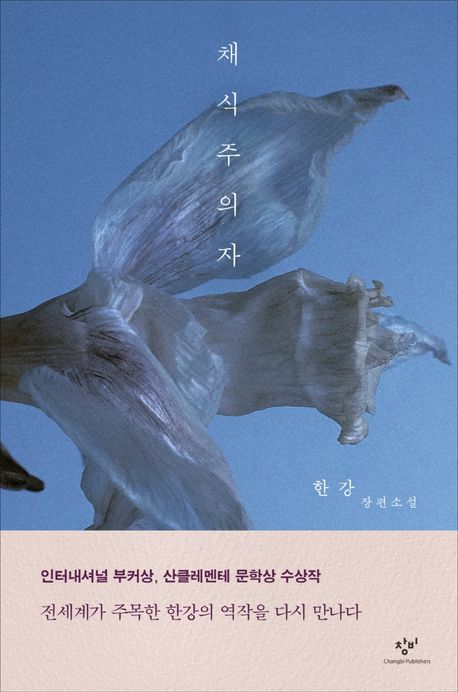
마침내 우리 곁에 당도한 봄, 깨어나는 연둣빛 생명의 경이살아 있는 한 희망을 상상하는 일,그 오래고 깊은 사랑에 대한 한강의 기록들 “역사적 트라우마를 정면으로 마주하고 인간 삶의 연약함을 드러내는 강렬하고 시적인 산문”이라는 선정 이유와 함께 2024년 노벨문학상을 수상한 작가 한강의 신작 『빛과 실』(2025)이 문학과지성사 산문 시리즈 〈문지 에크리〉의 아홉번째 책으로 출간되었다. 노벨문학상 수상 강연문 「빛과 실」(2024)을 포함해 미발표 시와 산문, 그리고 작가가 자신의 온전한 최초의 집으로 ‘북향 방’과 ‘정원’을 얻고서 써낸 일기까지 총 열두 꼭지의 글이, 역시 작가가 기록한 사진들과 함께 묶였다. 삼십 년 넘게 ‘쓰는 사람’의 정체성으로, “세계는 왜 이토록 폭력적이고 고통스러운가? 동시에 세계는 어떻게 이렇게 아름다운가?”라는 “두 질문 사이의 긴장과 내적 투쟁”을 글쓰기의 동력으로 삼아온 작가가 그 숱한 질문들 속 “가장 깊은 겹”이 “언제나 사랑을 향하고” 있던 게 아닐까, 그것이 바로 “내 삶의 가장 오래고 근원적인 배음”(29쪽)이 아닐까 묻고 답하기까지, 시차를 두고 쓰인 시와 산문, 일기와 사진이 새롭게 제 자리를 잡았다. “북향의 사람”(「북향 방」)으로 읽고 쓰는 동안, 종일 빛이 들지 않는 정원에 음지에서도 견뎌내는 식물들의 뿌리를 내리고 탁상용 거울 여러 개의 방향을 옮겨가며 햇빛을 붙드는 작가의 작고도 간절한 일상을 따라 읽다 보면 자연스럽게 다음의 구절이 떠오른다. “이 행성에 깃들인 사람들과 생명체들의 일인칭을 끈질기게 상상하는, 끝끝내 우리를 연결하는 언어를 다루는 문학에는 필연적으로 체온이 깃들어 있습니다.”(34쪽) “글쓰기가 나를 밀고 생명 쪽으로 갔을 뿐이다.”(57쪽)라고 작가는 말했다. 책장을 넘기면 흑면과 백면이 교차하며 맞닿은 글과 이미지가 서로에게 스미고 또 끌어당기며 작가의 방과 정원에 깃드는 빛과 그림자를, 이어지는 작가의 낮과 밤을 읽는 이로 하여금 좇게 만든다. 멀게는 사십여 년 전 유년의 기억이 저장된 중철 제본 노트에서 시작된 사랑, 따뜻한 생명에 대한 의문과 갈구가, 가깝게는 코로나19-팬데믹에 휩싸인 2020~2024년 북향의 방과 정원에서 “보고 듣고 냄새 맡고 맛보고 부드러움과 온기와 차가움과 통증을 느끼는” “그 생생한 감각들”이 일기와 산문 속에서 오롯하다. “햇빛이 잎사귀들을 통과할 때 생겨나는 투명한 연둣빛이 있다. 그걸 볼 때마다 내가 느끼는 특유의 감각이 있다. 식물과 공생해온 인간의 유전자에 새겨진 것이리라 짐작되는, 거의 근원적이라고 느껴지는 기쁨의 감각이다.”(「북향 정원」, 95쪽) 여기, ‘시적인 산문’이란 한강의 언어가 ‘경계 없는 글쓰기’라는 형식과 만났을 때 비로소 우리가 마주하게 된 세계는 생명의 경이와 눈부신 빛으로 가득하다.
모든 존재의 진정한 안녕을 비는 소설가김금희의 식물 산문 출간 “식물은 자기 상태에 대한 미움이나 비난이 없다.”여름이면 생각나는 책, 김금희 산문 『식물적 낙관』이 더운 계절에 편안함과 청량함을 안겨줄 리커버 에디션으로 출간되었다.초록 한 가지로만 디자인된 이 에디션은 단행본의 여섯 단면이 모두 초록색을 띤다.인간의 눈을 자극하지 않으면서도 아름다움을 느끼게 하는 자연의 색, 온통 초록으로 이루어진 이 책을 펼치면 모든 번잡함을 잊고 환한 마음을 갖게 된다.일상의 순간에서 길어올린 깊은 통찰과 산뜻한 위트로 인간 내면의 지형도를 섬세하게 그려온 작가 김금희의 두번째 산문집 『식물적 낙관』이 출간되었다. 2020년 여름부터 2022년 겨울까지 한겨레 ESC에 ‘식물 하는 마음’이라는 제목으로 연재된 에세이에 더해, 당시에는 아직 연약해서 꺼내놓기 쉽지 않았던 작가 자신의 내면을 지긋이 응시하는 미발표 원고들을 담았다. 김금희의 발코니 정원에 찾아온 연약하고도 강인한 식물들을 통한 깨달음의 기록이자, 식물을 매개로 만난 다정한 사람들과 만들어낸 환한 순간들의 기록이기도 한 이 책은 작가가 식물과 더불어 살아가며 통과하는 사계절의 풍경을 따라간다. 그 풍경의 변화에 따른 마음의 굴곡 또한 김금희 산문만의 아릿하고도 부드러운 필치로 그려진다. 무엇보다 눈에 띄는 것은 이 책이 ‘소설가의 식물 산문’이라는 점이다. 일찍이 버지니아 울프, 헤르만 헤세와 같은 대문호들이 찬미한 바 있는 식물이라는 존재를 지금 김금희가 사랑하게 된 이유는 무엇일까. 첫 산문집 『사랑 밖의 모든 말들』(2020)의 첫머리에 “글을 쓰지 않을 때면 으레 발코니에 나가” 식물을 돌보다 문득 “절박하게 하네, (…) 싸우듯이 하네”(서문 「안팎의 말들」)라는 마음의 소리를 들었다고 쓴 작가는 그뒤 3년간 모은 산문을 묶은 『식물적 낙관』에서 “돌아보면 내가 식물에 빠져든 시기는 마음이 힘들었던 때와 거의 비슷했다”(서문 「식물 하는 마음」)고 고백한다. 지난 3년 내내 지속된 코로나 팬데믹이라는 시련, 공교롭게 맞물린 개인적인 상실과 삶의 부산물 같은 고민들을 겪으며 작가는 식물이 지닌 오묘한 치유의 에너지에 이끌렸을까. 이제 『식물적 낙관』에 이르러 김금희는 더이상 식물을 절박하게 대하지 않는다. 김금희의 소설이 삶을 향해 드러내는 특유의 온화하고 담대한 시선은 현실에 대한 냉철한 이해에서 비롯되는바, 작가는 산문에서도 식물이 지닌 생명력과 특질을 명확히 관찰하고 이해해나가며 식물들의 느긋한 낙관의 자세를 받아들인다. 화분에 심긴 채 작가의 발코니에서 살아가는 실내 식물들은 함께 사는 인간이 현실적인 문제들로 고뇌하느라 여력이 없는 동안 척박한 환경에 놓이기도 하지만, 외부의 변화에 아랑곳하지 않고 오직 생장만을 도모하면서 주어진 상황에서 자신이 할 수 있는 일을 착실히 수행하는 모습을 보여준다. 복잡다단한 인간사에 초연한 채, 무언가를 해치는 일 없이, 각자의 본능적인 삶의 실천만을 이어가는 식물들이 이룩한 발코니 속 별세계를 묘사하는 김금희의 산문들을 읽다보면 어느새 주어진 현실을 단순하게 바라보며 ‘살아가는 것’ 자체를 삶의 명확한 목표로 재설정하는 자신을 발견하게 된다. 삶 이외의 다른 선택지를 손가락 사이로 흘려보내는 이러한 가뿐한 전환을 통해 일상을 보다 너그럽게 바라볼 때 찾아오는 삶에 대한 효능감. 그것이 바로 ‘식물적 낙관’의 감각이다.
1인 가구로 홀로서기에 나선 자까자취 초보의 좌충우돌 생활기가 시작된다! 한 번쯤 꿈꿔본 독립생활, 급속도로 증가하는 1인 가구 시대에 자까 작가도 합류했다! 드디어 1인 가구의 로망을 실현하는 줄 알았으나 상상과 다른 현실! 친구들과의 파티 대신 침대와 물아일체 되기, 요리의 달인 대신 간장계란밥의 달인이 된 작가. 하나부터 열까지 스스로 해결해야 하는 자취생활은 쉬운 게 하나 없다. 부모님의 울타리에서 벗어나 1인 가구의 가장이 된 초보 자취러, 자까의 좌충우돌 독립일기가 시작된다!
시간이 한 템포 느리게 흘러갈 것만 같은책들의 부엌에서 마음의 허기를 채우고 편안한 휴식을 즐기세요 서른을 코앞에 둔 대학 시절 절친들, 겉으로 보이는 모습과 내적 정체성의 간극에 혼란을 겪는 연예인, 성공 가도를 달리다 느닷없이 암 진단을 받은 변호사, 꿈꾸던 일에서 좌절하고 친구에게 배신당하고 어머니의 죽음까지 겪은 뒤 마음의 문을 닫은 한 남자 등 다양한 고민을 안고 소양리 북스 키친을 찾아온 손님들. 각자의 고민과 고통 속에서 방황하던 사람들은 소양리 북스 키친에서 전환의 시간을 맞게 된다. 밤하늘 별빛을 바라본 순간은 한 편의 아름다운 연주곡이 되고, 누군가는 바람에 날리는 벚꽃을 바라보다 자기 자신에게 보내는 편지를 쓴다. 어떤 이는 한 달 동안 이곳에서 머물면서 모험을 떠나는 꼬마 마법사에 관한 동화책을 쓰고, 인생의 수렁에 빠졌던 한 남자는 어머니와의 따뜻한 추억이 담긴 노래를 기억해 낸다. 그렇게 네 번의 계절이 지나는 동안, 이곳에는 저마다의 사연을 가진 손님들이 이곳에 찾아와 책을 읽고, 시간을 보내며 좋은 추억을 만들고 돌아간다. 한 해의 끝자락, 그리움이 눈송이처럼 흩날리는 크리스마스이브에 손님들은 각자의 방식대로 다시 한번 소양리 북스 키친을 만난다. 《책들의 부엌》에서는 ‘소양리 북스 키친’을 찾아온 인물 각각의 에피소드를 통해 다양한 고민을 말한다. 삶에서 휴식이 필요한 순간, 우연히 방문하게 된 소양리 북스 키친에서 그들은 휴식과 대화를 통해 자신을 되돌아보고 한 발 앞으로 나아갈 힘을 충전하며 어느덧 조금은 가벼운 마음으로 일상으로 돌아간다. 쉬는 것만으로도 일상의 원동력이 되는 것처럼 아무것도 하지 않아도 되는 곳, 시간이 한 템포 느리게 흘러가는 소양리 북스 키친에서의 하루는 우리가 바라는 ‘일상의 작은 쉼표’가 될 것이다. 이곳은 누군가에겐 숨겨뒀던 마음을 꺼내서 보여주고 삶에서 잠깐씩 휘청일 때마다 마음이 쉬어가는 비밀스러운 아지트 공간이다.
원 플러스 원의 기쁨, 삼각김밥 모양의 슬픔, 만 원에 네 번의 폭소가 터지는 곳!힘겨운 시대를 살아가는 우리들에게 다가온 조금 특별한 편의점 이야기 2013년 세계문학상 우수상 수상작 『망원동 브라더스』로 데뷔한 후 일상적 현실을 위트 있게 그린 경쾌한 작품과 인간의 내밀한 욕망을 기발한 상상력으로 풀어낸 스릴러 장르를 오가며 독자적인 작품 세계를 쌓아올린 작가 김호연. 그의 다섯 번째 장편소설 『불편한 편의점』이 출간되었다. 『불편한 편의점』은 청파동 골목 모퉁이에 자리 잡은 작은 편의점을 무대로 힘겨운 시대를 살아가는 우리 이웃들의 삶의 속내와 희로애락을 따뜻하고 유머러스하게 담아낸 작품이다. 『망원동 브라더스』에서 망원동이라는 공간의 체험적 지리지를 잘 활용해 유쾌한 재미와 공감을 이끌어냈듯 이번에는 서울의 오래된 동네 청파동에 대한 공감각을 생생하게 포착해 또 하나의 흥미진진한 ‘동네 이야기’를 탄생시켰다.서울역에서 노숙인 생활을 하던 독고라는 남자가 어느 날 70대 여성의 지갑을 주워준 인연으로 그녀가 운영하는 편의점에서 야간 알바를 하면서 이야기가 시작된다. 덩치가 곰 같은 이 사내는 알코올성 치매로 과거를 기억하지 못하는 데다 말도 어눌하고 행동도 굼떠 과연 손님을 제대로 상대할 수 있을까 의구심을 갖게 하는데 웬걸, 의외로 그는 일을 꽤 잘해낼 뿐 아니라 주변 사람들을 묘하게 사로잡으면서 편의점의 밤을 지키는 든든한 일꾼이 되어간다.현실감 넘치는 캐릭터와 그들 간의 상호작용을 점입가경으로 형상화하는 데 일가견이 있는 작가의 작품답게 이 소설에서도 독특한 개성과 사연을 지닌 인물들이 차례로 등장해 서로 티격태격하며 별난 관계를 형성해간다. 고등학교에서 역사를 가르치다 정년퇴임하여 매사에 교사 본능이 발동하는 편의점 사장 염 여사를 필두로 20대 취준생 알바 시현, 50대 생계형 알바 오 여사, 매일 밤 야외 테이블에서 참참참(참깨라면, 참치김밥, 참이슬) 세트로 혼술을 하며 하루의 스트레스를 푸는 회사원 경만, 마지막이라는 각오로 청파동에 글을 쓰러 들어온 30대 희곡작가 인경, 호시탐탐 편의점을 팔아치울 기회를 엿보는 염 여사의 아들 민식, 민식의 의뢰를 받아 독고의 뒤를 캐는 사설탐정 곽이 그들이다. 제각기 녹록지 않은 인생의 무게와 현실적 문제를 안고 있는 이들은 각자의 시선으로 독고를 관찰하는데, 그 과정에서 발생하는 오해와 대립, 충돌과 반전, 이해와 공감은 자주 폭소를 자아내고 어느 순간 울컥 눈시울이 붉어지게 한다. 그렇게 골목길의 작은 편의점은 불편하기 짝이 없는 곳이었다가 고단한 삶을 위로하고 웃음을 나누는 특별한 공간이 된다.
The Most Popular Study Guides, Drills, Vocabulary Books for Korean Learners
Learn how to speak Korean with correct pronunciation in a fun and easy way. Use the TTMIK: Audio App and Scan the QR codes in the book on our mobile app to use accompanying video and audio files. Free audio files are available HEREAn all-in-one guide for confident and accurate Korean pronunciation! This book introduces not only standard Korean pronunciation rules but also pronunciations that many Korean learners struggle with. Learners of all levels can learn to speak Korean accurately through the detailed and fun explanations and valuable tips offered in the book.And here are even more reasons you will love this book! Illustrations and video animations will help you check the right tongue position and mouth shape. You can listen to the correct pronunciation recorded by native speakers. You can reinforce what you’ve learned in each lesson through various exercises and quizzes! Table of Contents How to Use This Book Preface Chapter 1. The Pronunciation That Korean Learners Struggle with the Most: Consonants Lesson 1-1. Can You Tell the Difference Between ㄱ, ㅋ, and ㄲ? Lesson 1-2. Are You Playing with a Ball or a Bean? Quiz Time Lesson 2-1. Can You Tell the Difference Between ㄷ, ㅌ, and ㄸ? Lesson 2-2. Are You Saying That You Shivered or That You Dusted Yourself Off? Quiz Time Lesson 3-1. Can You Tell the Difference Between ㅂ, ㅍ, and ㅃ? Lesson 3-2. Do You Feel Pain in Your Foot or in Your Arm? Quiz Time Lesson 4-1. Can You Tell the Difference Between ㅅ and ㅆ? Lesson 4-2. Do You Want Me to Buy It or Wrap It? Quiz Time Lesson 5-1. Can You Tell the Difference Between ㅈ, ㅊ, and ㅉ? Lesson 5-2. Are You Asking for My Car or My Ruler? Quiz Time Chapter 2. The Pronunciation That Korean Learners Struggle with the Most: Vowels Lesson 1-1. Can You Pronounce 오 and 어 Differently? Lesson 1-2. A Cup of Nosebleed in the Morning? Quiz Time Lesson 2-1. Can You Pronounce 요 and 여 Differently? Lesson 2-2. Is It Yoga Time or Free Time? Quiz Time Lesson 3-1. Can You Pronounce 으 and 어 Differently? Lesson 3-2. Did You Get It Wrong or Were You Robbed? Quiz Time Lesson 4-1. Can You Pronounce 우 and 으 Differently? Lesson 4-2. Are You Saying That You Are Lucky or That You Like Silver? Quiz Time Chapter 3. How on Earth Should I Pronounce 의? Chapter 4. Transformers Lesson 1-1. Doubles in Disguise Lesson 1-2. Decepti-consonants Lesson 1-3. Space Bridge Lesson 1-4. More Than Meets the Eye Lesson 2-1. Throw Away the Rules! Lesson 2-2. Just Memorize It! Lesson 3. Follow My Lead! Lesson 4. When in Rome… Lesson 5. ㄴ, Watch Out for ㄹ. Lesson 6. The Quiet Strength of ㅎ Lesson 7-1. Sticky Consonants Lesson 7-2. Morphing Consonants Chapter 5. 읽 Wherefore Art Thou Pronounced 익? Chapter 6. What?! I Did Not Know It Would Sound Like This! Lesson 1. Why Isn’t 겉옷 Pronounced [거톧]? Lesson 2. Why Isn’t 꽃잎 Pronounced [꼬칩]? Chapter 7. Why Don’t I Sound Right? Lesson 1. What Is the Difference Between G and ㄱ? Lesson 2. What Are the Differences Between N and ㄴ, and D and ㄷ? Lesson 3. What Are the Differences Between M and ㅁ, and B and ㅂ? Lesson 4. What Are the Differences Between L, R, and ㄹ? Lesson 5. ㅅ the Chameleon Lesson 6. What Is the Difference Between J and ㅈ? Chapter 8. Not Quite English Lesson 1. Sit on the Bench, Not on My Benz. Lesson 2. Why English Is Pronounced Differently in Korean Lesson 3. Native Korean Speakers vs. The Dictionary Chapter 9. That Is Not My Name. Chapter 10. Do Not Get Lost On Your Way to Costco. Chapter 11. Correct Order, Wrong Food Lesson 1. Sundae Blues Lesson 2. Why Are Olives So Hard to Find? Chapter 12. There Is No Gang in Gangnam. Chapter 13. To Avoid Stress, Correct Your Stress Lesson 1. Highs and Lows Lesson 2. What Did You Eat? vs. Did You Eat Something? Chapter 14. The Dictionary Is Wrong?! Bonus: The Short-Long Debate Glossary
Click here to download the MP3 audiofilesAbout this Book: In just one hour, you can master Korean Alphabet. 1. Hangeul : You can learn shapes and sounds of consonants and vowels. Try writing the hangeul in the correct stroke order and practice the pronunciation. 2. Visual Examples : A variety of visual examples are provided to show how each letter is used. You’ll also learn useful Korean words. 3. Audio files : You can learn the correct pronunciation of each word by listening to native Korean speakers. 4. Review : Each part includes writing practice to review words you’ve learned. 5. Appendix : The [Appendix] includes various styles of Hangeul letters, helping you become familiar with their characteristics. Additionally, learners can practice reading and writing basic Korean expressions.
Click here to download the audiofiles A 3-in-1 Korean beginner’s guide to mastering Hangeul, grammar, and conversation! ▪ Friendly and detailed explanations with practical learning tips—just like a one-on-one lesson Without the need to purchase separate books for learning Hangeul, grammar, and conversation, learners can achieve all three goals with just one book — My Korean Tutor for Ultimate Beginners. This book is therefore ideal for learners who need to prepare for basic Korean conversations but have limited study time, as well as for those who wish to acquire essential Korean speaking skills quickly and easily. ▪ Master basic Korean from Hangeul to everyday conversations in one book Every aspect—from Korean pronunciation and writing to conversational situations—is explained in English, enabling even beginners to confidently take on Korean conversation with detailed, teacher-like guidance that feels as if an instructor were right beside them. In addition, tips are provided in every unit for points that many learners tend to find confusing, allowing readers to pick up practical learning know-how along the way. ▪ Learn effectively and easily with Hangeul handwriting videos and short grammar video lectures In Parts 1 and 2, learners can access video content by scanning the provided QR codes. Part 1 offers “Hangeul Handwriting Videos,” which demonstrate the correct stroke order and pronunciation of Hangeul, allowing learners to watch the videos and practice writing the letters themselves. Part 2 provides short video lectures summarizing key grammar points in each unit, helping learners preview and review lessons or use the videos as supplementary online lectures to enhance their understanding of the material.
Get a better understanding of Korean sentence structures and confidently extend your sentences! This book is designed for beginner and intermediate Korean learners that want to practice extending Korean sentences related to everyday activities. Free audio files are available HERE Benefits of studying with this book: Develop a general understanding of how Korean sentences are structured Learn to make progressively longer sentences Listen to native speakers enunciating each sentence used in the book Study expressions and sentences related to everyday activities Equip yourself with basic words in the “Glossary” Tips on using this book: Jump right into “Extension Practice”! This book has three types of practices – Conjugation Practice, Extension Practice, and Speaking Practice. If you’re already familiar with tense conjugations, you may skip “Conjugation Practice” and jump right into “Extension Practice”! In need of brushing up on your Korean grammar? Go to the “Korean Language Basics” part!“Korean Language Basics” is where you can find grammar points used in “Extension Practice”. If you find “Extension Practice” a little too difficult, go to the beginning part of this book to find “Korean Language Basics”! Don’t forget to download the audio tracks for free here!
Learn 1,100 useful Korean phrases based on 100 commonly used sentence patterns, with QR codes for audio tracks and cute, witty illustrations that will make your studying more fun. Free audio files are available HERE As a beginner, Korean sentences might look like random combinations of words and phrases. But that is not true! Once you find the patterns hidden in sentences, learning Korean becomes much easier and even more fun.This book includes 100 common sentence patterns that are essential for beginners and each pattern is accompanied by 11 example sentences.What do we mean by “patterns“?“Patterns” in this book refer to set phrases and common groups of words that often go together in Korean. By studying sentence patterns, you can form your own Korean sentences more confidently and naturally! Practice speaking the sentences repeatedly so that you can get familiar with each sentence pattern. Sentences written in Korean are arranged on the left side of a page and those in English are on the right side. We recommend you cover one of the two sides with a piece of paper or your hand and test your understanding! Study words with the index. In the index, you can find all the vocabulary words used! In fact, this book is also very useful to study words and practice making sentences with them. Use the QR codes! There is a QR code for each pattern with which you can check the native speaker’s pronunciation CONTENTS Pattern 001. This is + N. / It is + N. Pattern 002. This is + N. / It is + N. Pattern 003. This is not + N./ It is not + N. Pattern 004. I have + N. / There is + N. Pattern 005. I do not have + N. / There is not + N. Pattern 006. Please give me + N. Pattern 007. What is + N? Pattern 008. What is + N? Pattern 009. What is + N? Pattern 010. By any chance, is it + N? / By any chance, are you + N? Pattern 011. I go to + N. / I am going to + N. Pattern 012. It is in/at + N. / I am in/at + N. Pattern 013. Where is + N? Pattern 014. I am on my way to + N. Pattern 015. When is + N? Pattern 016. As for + N, when is it? Pattern 017. Is it already + N? Pattern 018. I like + N. Pattern 019. And there is/are also + N. Pattern 020. I like + N. Pattern 021. Do you like + N? Pattern 022. How about + N? / How about + V-ing? Pattern 023. How/What about + N? Pattern 024. What do you think about/of + N? Pattern 025. Then, how/what about + N? Pattern 026. N + is not so good. / N + is not that great. Pattern 027. Is + N + not available/possible? Pattern 028. I should do + N + first. / You should do + N + first. Pattern 029. There is only + N. / There is nothing but + N. Pattern 030. What does + N + mean? Pattern 031. I do not know + N + well. / I am not sure about + N. Pattern 032. It is too + Adj. / I am so + Adj. Pattern 033. This is the most + Adj. Pattern 034. N + is more + Adj + than I expected. Pattern 035. It is a little bit + Adj. / Something about it is a little + Adj. Pattern 036. I am + V-ing + now. Pattern 037. I cannot + V. Pattern 038. I am + V-ing + now. Pattern 039. I am still + V-ing. / I am still in the middle of + N. Pattern 040. I want to + V. Pattern 041. What do you want to + V? Pattern 042. Please + V. Pattern 043. Hurry up and + V. / Please + V + quickly. Pattern 044. Please + V + this way. Pattern 045. Do not + V. Pattern 046. Why do you + V + like that? Pattern 047. Where did you + V + this? Pattern 048. It already + V-ed. / It has already + V-ed. Pattern 049. I have not + V-ed + yet. Pattern 050. How did you + V? Pattern 051. 001 I did not + V + anything. Pattern 052. Please + V (+ for me). Pattern 053. Please + V (+ for me). Pattern 054. Please + V (+ for me). Pattern 055. I can + V. Pattern 056. I have to + V. / I should + V. Pattern 057. I have to + V. / I should + V. Pattern 058. I have to + V. / I should + V. Pattern 059. Until/By when should I + V? / How long should I + V? Pattern 060. I am going to + V. Pattern 061. When will you + V? Pattern 062. I will be back after + V-ing. Pattern 063. I will + V + for just a little while. / Let me + V + for just a little while. Pattern 064. Then, shall we + V? Pattern 065. After + V-ing. / Only after + V-ing. Pattern 066. I think + S + V-ed. Pattern 067. I am on my way to go and + V. Pattern 068. S + will + V + at around ( ) o’clock. Pattern 069. You may + V. / It is okay to + V. Pattern 070. Can/May I + V? / Is it okay to + V? Pattern 071. You should not + V. / You cannot + V. Pattern 072. There is something I want to + V. Pattern 073. I almost + V-ed. Pattern 074. What should I do in order to + V? Pattern 075. Where should I go in order to + V? Pattern 076. Are you + Adj + by any chance? / Do you + V + by any chance? Pattern 077. Since when have you + V-ed? Pattern 078. It is probably + Adj. / S + probably + V. Pattern 079. I like it so much because + S + V/Adj. / I am so glad that S + V/Adj. Pattern 080. In my opinion, S + will + V. / In my opinion, S + will be + Adj. Pattern 081. It could be that + S + V. / S + might + V. Pattern 082. What if + S + V/Adj? Pattern 083. That is true, but + S + V. Pattern 084. Sometimes + S + V/Adj. / There are times when + S + V/Adj. Pattern 085. Don’t you think it is too + Adj? / Don’t you think + S + V + too much? Pattern 086. That is too + Adj. Pattern 087. Is + N + okay? / Is it okay to + V? Pattern 088. S + V + together with + N. Pattern 089. Which of these is the most + Adj? / Which of these do you + V + the most? Pattern 090. S + V + one out of these. Pattern 091. How do you + V? / How did you + V? Pattern 092. S+ V + before + V-ing. Pattern 093. S + V + again later. Pattern 094. Even so, I + V. Pattern 095. As far as I know + S + V. Pattern 096. I am not sure, but + S + V. / Although I do not know very well, S + V. Pattern 097. In fact, I + V. Pattern 098. If you do it like this, S + V. Pattern 099. If you have time tomorrow, S + V. Pattern 100. It may + V, and it may + V. / It may or may not + V.
With the second book of our best-selling “My First 500 Korean Words” series, you can effectively expand your Korean vocabulary from a beginner to an intermediate level. Audio files for this book are available on the TTMIK website.Tired of memorizing word lists without context?Feel like your Korean vocabulary is limited?With this book, you can learn 500 new Korean words and thousands of related words and expressions through short stories, making it easier to understand, retain, and use new words.This book is the perfect choice for those looking to build a strong vocabulary foundation and level up their Korean skills from a beginner to an intermediate level.Following the same structure as the first book, each lesson of “My First 500 Korean Words Book 2” presents 10 new words through a short story where the words are put together into meaningful context. Designed for upper beginners to intermediate learners, this book covers more types of words and more advanced grammar points compared to the previous book.Why You’ll Love This Book You can learn 500 words in context that are used daily by native Korean speakers. With the exercises and review quizzes, you can boost your retention of new words. The lessons are simple enough to complete daily, which will keep you motivated. You’ll naturally pick up complex conjugation and other grammar points while reading stories. ContentsPrefaceHow to Use This BookIntroductionWords Day 01-10Quiz Day 01-10Words Day 11-20Quiz Day 11-20Words Day 21-30Quiz Day 21-30Words Day 31-40Quiz Day 31-40Words Day 41-50Quiz Day 41-50AnswersIndex
Click here to download the free audiofiles Congratulations on embarking on this new journey of learning Korean! This book is written from the perspective of someone who is just starting to learn Korean. It is authored by Miss Vicky, who has over 480,000 YouTube subscribers. It has three main chapters; the first chapter covers Korean alphabet, and the subsequent chapters cover simple yet practical topics like basic expressions and numbers. You can learn Korean with detailed and clear explanations, engaging visuals, and thoughtfully created exercises, including the final tests in every chapter. Throughout the book, you’ll find useful information that broadens your understanding of the Korean language and answers the questions that may naturally arise as you study. You can approach this book from the perspective of studying, but it will also be helpful to approach it as reading an informative and engaging book about Korean. (https://www.youtube.com/@KoreanwithMissVicky ).* Learning with provides the following benefits : Absolute beginner learners of Korean can use this book, the accompanying YouTube lectures and the audio files (audio files can be downloaded from the Darakwon USA website) to make the most of their learning experience. You’ll learn how to read and write “Hangeul,” the Korean alphabet, with visual images, thorough pronunciation guide, and audio files. You can dive into learning Korean phrases and sentences. In particular, you will learn the use of polite and casual speech in Korean, allowing you to use appropriate expressions for each situation. You will also become familiar with Korean numbers, which will help you practice applying the numbers you’ve learned in real life. You can review what you’ve learned and check your Korean skills through various exercises. By following Miss Vicky’s guided journey in learning Korean, you’ll naturally build your Korean language skills!
“When I listen to BTS’s song, the words ‘pumpkin seed’ are in there. Why on earth is that in there?” “In BLACKPINK’s song, when they miss someone, why are ‘intestines’ burning up?” Foreigners who like K-Pop and understand Korean lyrics to a certain degree might have seen the idioms and slang in the lyrics and tilted their head at these kinds of expressions. By presenting the idioms, four-character idioms, and slang hidden in K-Pop lyrics along with fun illustrations and example sentences, “100 Korean Idioms & Slang” was designed to help Korean-language learners at the intermediate level and above encounter and deeply understand Korean emotions and culture expressed in K-Pop lyrics, all while acquiring and having a command of various Korean expressions. Through simple quizzes and detailed explanations, this book allows readers to learn the origin and meaning of 50 idioms, 25 four-character idioms, and 25 slang words that appear in song lyrics, and helps them to understand K-Pop lyrics. Vivid descriptive examples and dialogues are presented for each expression, so you can practice and understand the context in which the expressions are used. Additionally, for each expression and example sentence, MP3 audio files of professional voice actors are provided via QR code, so you can check and follow along with the correct pronunciation and intonation. * Learn expressions that are actually used in K-Pop! Finds and explains the meaning of idiomatic expressions, four-character idioms, and slang words that are actually used in various K-Pop songs that are gaining popularity all around the world, so that foreign learners can grow more accustomed to Korean idiomatic expressions that can be difficult and unfamiliar. * You can infer the meaning of expressions through fun illustrations and quizzes to help you guess definitions! Idiomatic expressions aren’t frequently used with a literal meaning. With fun illustrations and simple quizzes, interest is maintained and you can do simple checks of your own knowledge, allowing learners to try to infer the meaning and usage of idiomatic expressions for themselves. * Through sound files, you can learn intonation and vivid nuance, and use expressions like a native speaker! Various idiomatic expressions and slang are used not just in K-Pop lyrics, but also in the daily lives of Korean people. Accordingly, by listening to and following along with sound files of professional voice actors for all expressions and example sentences, you can practice intonation and vivid nuance, and use expressions naturally like Koreans do in real-life conversations. * Check out idiomatic expressions found in a variety of K-Pop songs! Each expression introduces the K-Pop songs in which it is used, allowing learners to check out various songs in which an expression appears, aside from the songs they already know. If there’s a song you’re unfamiliar with, you can search for it and listen to it, and review while listening to the lyrics to hear the context in which the expression you learned is used. Table of Contents 서문 Preface 4일러두기 How to Use This Book 6차례 Table of Contents 10Part 1 관용어 Idioms 12 1. 간에 기별도 안 가다 For the message to not even reach the liver 142. 고삐를 늦추다 To loosen the reins 163. 골로 가다 To go to the valley 184. 골탕 먹다 To eat bone broth soup 205 귀에 못이 박히다 To get a callus in your ear 226. 그림의 떡 Rice cake in a picture 247. 김칫국부터 마시다 To drink kimchi soup first 268. 깡통을 차다 To wear a can 289. 깨가 쏟아지다 To rain sesame seeds 3010. 낙인 찍다 To brand 3211. 눈 깜짝할 사이 In the blink of an eye 3412. 눈 하나 깜짝 안 하다 To not blink an eye 3613. 눈앞이 캄캄하다 For it to be dark in front of one’s eyes 3814. 눈에 밟히다 To have one’s eye stepped on 4015. 대박이 나다 For a large gourd to sprout 4216. 뒷구멍으로 호박씨를 까다 To shell pumpkin seeds with your behind 4417. 딴전을 부리다/피우다 To act like it’s a different shop 4618. 말짱 도루묵 All sandfish 4819. 머리에 맴돌다 To hover in one’s head 5020. 바가지를 긁다 To scratch the bowl 5221. 바람을 피우다 To act like the wind 5422. 발이 떨어지지 않다 For one’s feet to not come up off the ground 5623. 배가 아프다 For one’s stomach to hurt 5824. 배꼽을 잡다 To grab one’s belly button 6025. 배알이 꼴리다 For one’s guts to be twisted 6226. 백기를 들다 To raise a white flag 6427. 본전도 못 찾다 To be unable to even find the principal 6628. 비위를 맞추다 To adjust one’s stomach 6829. 산통을 깨다 To break the box of fortunes 7030. 새빨간 거짓말 A bright red lie 7231. 속이 타다 For one’s insides to burn 7432. 손꼽아 기다리다 To wait counting on one’s fingers 7633. 시치미를 떼다 To take a name tag off a falcon 7834. 애가 타다 For one’s intestines to burn 8035. 약이 오르다 For one to be nettled 8236. 어깨가 무겁다 For one’s shoulders to be heavy 8437. 오지랖이 넓다 For the front of one’s clothes to be wide 8638. 이를 악물다 To grit one’s teeth 8839. 족쇄를 채우다 To put shackles on 9040. 쥐도 새도 모르게 Without a mouse or a bird realizing 9241. 직성이 풀리다 For one’s star to be released 9442. 찬물을 끼얹다 To douse with cold water 9643. 총대를 메다 To carry the gunstock 9844. 탈을 쓰다 To wear a mask 10045. 통이 크다 For the size to be big 10246. 퇴짜를 놓다/맞다 To mark/to be marked with the character for “reject” 10447. 트집을 잡다 To grab at a hole 10648. 풀이 죽다 For the starch to give way 10849. 학을 떼다 To get rid of malaria 11050. 허리띠를 졸라매다 To tighten one’s belt 112Part 2 사자성어 Four-Character Idioms 11451. 경거망동 To behave frivolously and foolishly 11652. 고진감래 After all of the bitterness comes sweetness 11853. 금상첨화 Adding flowers on top of silk 12054. 기고만장 For one’s energy to rise to a height of 10,000 jang 12255. 노심초사 To be so concerned with something that one burns with worry 12456. 대기만성 For a large bowl to be completed late 12657. 배은망덕 To forget and betray the favor you received from someone 12858. 백발백중 To shoot 100 times and hit 100 times 13059. 백전백승 To fight 100 times and win 100 times 13260. 사필귀정 Everything will certainly return to the proper path 13461. 안하무인 Below one’s eyes, nobody exists 13662. 약육강식 The flesh of the weak becomes the food of the strong 13863. 오매불망 To be unable to forget while asleep or awake 14064. 우유부단 To be so soft that one can’t make a decision 14265. 유유자적 To live as one pleases, inleisure and relaxation 14466. 이심전심 To communicate from heart to heart 14667. 이열치열 To use heat to deal with heat 14868. 작심삼일 A firmly made up mind cannot last 3 days 15069. 절치부심 To gnash one’s teeth and for one’s mind to be troubled 15270. 조강지처 A wife who sared a meal of dregs of liquor and rice bran 15471. 천방지축 The direction of the heavens and the axis of the earth 15672. 천생연분 A relationship decided by the heavens 15873. 칠전팔기 To fall down seven times and get up eight times 16074. 함흥차사 A government official dispatched to Hamheung 16275. 호시탐탐 A tiger stare and glowers 164Part 3 유행어 Slang 16676. 극혐 Ultra hate / Ultra disgusting 16877. 깜놀 Shocked / Shook 17078. 꼰대 Kkondae / Boomer 17279. 꽃길만 걷자 Let’s only walk on paths of flowers / Everything is coming up roses 174 80. 노답 No answer / No solution 17681. 노잼 No fun / Not funny 17882. 눈누난나 Nunu nana 18083. 라떼는 말이야 A latte is... / Back in my day 18284. 멘붕 Mental collapse / Mental breakdown 18485. 무야호 Mu-yahoo 18686. 소확행 Small but certain happiness 18887. 솔까 Honestly 19088. 심쿵 Heart boom / Heart pounding 19289. 썸 타다 To feel “Some” / To be in a situationship 19490. 어그로 Aggro / Provoking / Trolling 19691. 열폭 Inferiority explosion 19892. 인싸 Insider / Social / Popular 20093. 입덕하다 To become a fan / To get hooked 20294. 지못미 Sorry I couldn’t protect you 20495. 쩔다 To be salted / To be awesome / To be very good or bad 20696. 최애 Most loved / Bias 20897. 취향 저격 Preference shot / My style 21098. 하드 캐리 Hard carry / To carry 21299. 흑역사 Dark history / Dark past 214100. 1도 모르다 To not know / To know nothing / To have no idea 216부록 Appendix 218퀴즈 정답 Quiz Answer 220의미와 용례 한국어 설명 Meaning & Origin in Korean 225K-Pop 색인 Index of K-Pop Songs 248100개 표현 목록 Alphabetical Index of 100 Expressions 260
100 Korean Speech Patterns - Discovering Ways of Speaking in K-Drama “Why do Koreans start their sentences with ‘아니’ when they speak?” “I want to understand the lines spoken by my favorite actor, Park Bo-gum, in dramas.” As a follow-up to the 100 Korean Idioms & Slang for Korean language learners interested in K-culture, 100 Korean Speech Patterns has been published to help learners acquire truly authentic Korean through expressions featured in K-dramas. ▪ Learn “Real” Korean Speech Patterns through K-Drama Dialogue All the expressions and sentence patterns in this book originate from scenes in Korean dramas. While dramas are fictional stories, the speech styles and conversational patterns within them closely reflect real-life communication. 100 Korean Speech Patterns helps learners naturally acquire the tone, timing, and nuance of spoken Korean—elements that cannot be fully captured through grammar explanations alone—by learning expressions within their contextualized scenes. The moment you understand why a certain expression is used in a given situation, Korean will begin to sound much clearer. ▪ Step-by-Step Learning through Illustrations, Quizzes, Explanations, and Dialogue Practice Each unit opens with an illustration and dialogue inspired by a drama scene. Learners first observe the situation and then use a short quiz to infer the meaning and usage of the expression. The following explanation highlights the key points of the expression or pattern, while sample dialogues demonstrate its application in various contexts. In addition, professional voice recordings provided via QR codes enable learners to practice conversation with natural intonation and tone. ▪ 50 Expressions + 50 grammar Patterns: 100 Speech Habits for Immediate Use in Conversation 100 Korean Speech Patterns consists of two parts. Part 1 introduces 50 commonly used expressions such as “있잖아,” “솔직히,” “장난 아니야,” and “Don’t worry about it,” which Koreans frequently use in everyday speech. Part 2 covers 50 commonly used grammar patterns in real conversations, such as “-고 말았어,” “-더라고요,” and “-(으)ㄹ 수밖에 없어.” The appendices include quiz answers, dialogue translations, and explanations of meaning, as well as a K-Drama index and expression/pattern index, making the book highly useful for both review and reference.
세계적인 한국어 학습 열풍과 함께 중급 이상 학습자들의 수가 늘어나면서 한국어의 일부로서 한자어 학습의 필요성이 절실해지고 있습니다. 이 책은 사자성어를 통해 한국어에서 한자어의 쓰임을 효과적으로 학습할 수 있는 교재로서, ‘국제 통용 한국어 표준 교육과정’에서 선정한 사자성어들과 국립국어원의 ‘한국어교수학습샘터’에서 제시하는 관용 표현으로서의 사자성어들 중 공통된 사자성어를 우선 선별하여 총 176개의 필수 사자성어를 다루고 있습니다. 이들 사자성어는 양태와 주제에 따라 과별로 4개씩 묶어 제시됨으로써, 학습자들은 유사한 상황에서 사용되는 사자성어들을 연관지어 배울 수 있습니다. With the global surge in Korean language learning and the increasing number of intermediate and advanced learners, the importance of incorporating Sino-Korean words into Korean language education has become crucial. Essential Korean 4-Character Idioms is an effective learning material for understanding the usage of Sino-Korean words within the Korean language through four-character idioms. It covers a total of 176 essential four-character idioms, primarily selected from the common idioms listed by the ‘International Standard for Curriculum Korean Language’ and the ‘Center for Teaching and Learning Korean’ of the National Institute of Korean Language. These idioms are presented in groups of four per chapter, categorized by modality and theme, allowing learners to associate related expressions used in similar situations.
Essential Korean for Business Use is constructed around the various situations you may encounter while conducting business, and includes numerous expressions that can be used by learners of Korean at all levels. It contains those expressions necessary for foreigners who reside in Korea and work permanently at Korean companies, and it also deals with situations required for short term business trips. Especially, in order to do effective international business, you will have to first understand the culture of the country and people. In this context, this book will aid in bringing its readers a bit closer to Koreans by broadening their understanding of Korean culture. In a word, because it is composed of the actual Korean expressions most often used when doing business, it is apparent that all readers will find it useful. The volume is composed of 15 chapters, each of which contains expressions necessary for both business and daily living. All of the expressions contained in this book are provided with both a literal translation and an English equivalent. At the end of each chapter, there is a list of vocabulary related to the chapter¡¯s theme, and each chapter also contains short tips that introduce key elements of Korean culture. Even more, along with the witty illustrations that promote comprehension, MP3 files for the readings of Korean expressions are available for downloads on the website www.hollym.co.kr. *Contents Introduction The Composition and Usage of This Book Chapter 01. A Typical Day at the Office Chapter 02. Office Machines and Facilities Chapter 03. Reports Chapter 04. Meetings Chapter 05. Business Telephone Calls Chapter 06. Computers and the Internet Chapter 07. Negotiations and Contracts Chapter 08. Office Interactions Chapter 09. Customer Service Chapter 10. Business Trips Chapter 11. Entertaining Customers Chapter 12. Personal Relations Chapter 13. Money Matters Chapter 14. Local Transportation Chapter 15. Getting Hired and the First Day on the Job Appendix *Kwon Sungmi Visiting professor, University of Seoul, Institute of International Cooperation and Education Ph. D. Ewha Womans University Ed. M. Boston University, TESOL M. A. Ewha Womans University, Korean Language education *John M. Frankl Professor, Yonsei University, Underwood International College Ph. D. Harvard University, East Asian Languages and Civilizations A.M. Harvard University, Regional Studies: East Asia M.A. Yonsei University, Korean Language and Literature B.A. University of California, Berkeley, East Asian Languages
Download MP3 Files here This book covers a total of approximately 2,000 words according to the following criteria. Selected the vocabulary words appeared more than 3 textbooks from the language institutes of nine universities and two private institutes on the basic first and second level Korean. • The words organized into fourteen topics. The provided example sentences are related to each topic focused on the example sentences used in textbooks and practical sentences frequently used in everyday life• Useful word translations in English, Chinese, and Japanese!• The antonym, synonym, honorific form, low form, related word(s), and reference word(s) are provided in order to widen the students' vocabulary.• A review test similar with TOPIK with 'Let's Check'.• Through learning the Chinese characters, learners will be able to widen their vocabulary range.• Accurately recorded entry words and example sentences available through MP3 downoad Contents 1 약속하기 Making an Appointment Let’s Check!2 인간관계 Human Relationships Let’s Check!3 직장 생활 Office Life Let’s Check!4 하루 일과 Daily Work Let’s Check!• Korean through Chinese Characters 員 a member 06 여가 생활 Leisure1 여행 Travel Let’s Check!2 운동 Exercise Let’s Check!3 음악 Music4 취미 Hobbies Let’s Check!• Korean through Chinese Characters 出 to go out 07 날씨 Weather 1 계절 Seasons2 일기예보 Weather Forecast Let’s Check!• Korean through Chinese Characters 新 to be new 08 시간 Time1 날짜 Date Let’s Check!2 시간 Time Let’s Check!• Korean through Chinese Characters 日 a day 09 패션 Fashion 1 미용 Beauty Care 2 소품 Accessories 3 의류 Clothing Let’s Check!• Korean through Chinese Characters 物 a thing 10 경제활동 Economic Activities1 가게/시장 Store/Market Let’s Check!2 경제 Economy 3 쇼핑 Shopping Let’s Check!• Korean through Chinese Characters 入 to enter 11 교통/통신 Transportation/Communication1 길 찾기 Finding the Way 2 방향 Directions Let’s Check!3 우편 Mail4 위치 Locations5 전화 Telephone Let’s Check!6 탈것 Vehicles Let’s Check!• Korean through Chinese Characters 通 to be connected 12 장소 Places1 건물 Buildings 2 길 Roads Let’s Check!3 도시 Cities 4 동네 Neighborhoods5 서울 Seoul Let’s Check!• Korean through Chinese Characters 場 a place 13 집/자연 House/Nature 1 동식물 Animals and Plants 2 자연환경 Natural Environment Let’s Check!3 전기/전자 제품 Electric/Electronic Appliances4 집안 Household 5 집안 가구/물건 Household Furniture/Goods Let’s Check!6 집안 구조 Structure of the House 7 집안일 Housework Let’s Check!• Korean through Chinese Characters 家 a house 14 문화 Culture 1 대중매체 Mass Media2 사회 Society Let’s Check!3 영화/연극 Movies/Plays4 예술/문학 Art/Literature 5 전통문화 Traditional Culture Let’s Check!• Korean through Chinese Characters 動 to move 15 기타 Etc.1 기타 Etc.• Let’s Check! 부록 Appendix추가 어휘 Additional Vocabulary • 국가명 Nations • 색깔 Colors • 운동 Sports • 가계도 Family Tree • 신체 부위 명칭 The Names of Body Parts• 착용 동사 Verbs Related to Clothing and Accessories• 띠 The Chinese Zodiac Signs • 요일 Days of the Week• 월 Months •• 숫자 Numbers • 접속부사 Conjunctive Adverbs• 준말 Abbreviations • 반의어 Antonyms• 유의어 Synonyms • 단위명사 Counting Units • 전국 지도 National Map • 서울 지도 Seoul Map 불규칙 동사 • 형용사 활용표 Table of Irregular Verbs and Adjectives정답 Answer 색인 Index
My Daily Routine In Korean is a picture dictionary designed to help you learn everyday Korean words and expressions through convenient visual aids. Free audio files are available HERE Between the moment you wake up in the morning until you go to bed at night, you do hundreds of small activities that you do on a daily basis. How do you say “dispense shampoo” or “toss and turn”? Do you know how to say “open the book” or “set the alarm” in Korean?My Daily Routine In Korean is a picture dictionary designed to help you learn everyday Korean words and expressions through convenient visual aids. The book is divided into 32 different categories which are related to common everyday activities, and each of the categories introduces up to 17 phrases through fun illustrations. The translation of each phrase is on the reverse page of the illustration, and you can also find an index of all 408 expressions at the end of this book.With this book, you do not have to memorize every word in order from cover to cover, but if you learn better that way, that’s fine, too! The easiest and one of the more productive ways to study with this book is by choosing a topic which interests you and choose one or two words/expressions from that topic to use in your everyday actions and conversations. Read the words or expressions aloud and listen to the MP3 audio pronunciation of the words/expressions if you’d like to hear them spoken by a native speaker, write them down in a notebook, and put them to use! The more you read, write, say, or hear words and expressions in practice, the easier you can recall the word or expression when you need to use it. CONTENTS #1 SLEEPING 잠자기 #2 WAKING UP 일어나기 #3 SHOWERING 샤워하기 #4 WASHING HAIR 머리 감기 #5 WASHING FACE 세수하기 #6 BRUSHING TEETH 양치하기 #7 SHAVING 면도하기 #8 GLASSES AND CONTACT LENSES 안경과 렌즈 #9 GETTING DRESSED 옷 입기 #10 MAKEUP 화장 #11 COOKING 요리하기 #12 EATING 음식 먹기 #13 DOING THE DISHES 설거지하기 #14 CLEANING 청소하기 #15 LAUNDRY 빨래 #16 GARDENING 정원 가꾸기 #17 TELEPHONE 전화 #18 TELEVISION 텔레비전 #19 RADIO 라디오 #20 WEB SURFING 웹서핑 #21 READING A BOOK 책 읽기 #22 SITTING 앉기 #23 LYING DOWN 눕기 #24 STANDING 서기 #25 HEARING 듣기 #26 SEEING 보기 #27 TASTING 맛보기 #28 TOUCHING 만지기 #29 WALKING 걷기 #30 MARRIAGE 결혼 #31 BIRTHDAY 생일 #32 MOVING 이사하기
Looking for an easy Korean reading material for beginners?This will help you have much more confidence in your Korean reading comprehension through 30 short stories about various everyday topics! Free audio files are available HERE If you’ve been learning Korean for more than at least a month now and feel like you are ready to start reading stuff, but you find regular novels and magazines too hard to begin with, our Easy Korean Reading For Beginners will be a great place to start!First, read the Korean story part.And practice reading everything out loud through the slow reading segment. (Listen to the accompanying audio tracks.)And check the translation to see if you understood everything correctly.We provide you with all the key vocabulary words so you can get the most out of your reading session. TalkToMeInKorean.com has provided FREE Korean language learning content to five million learners around the globe since 2009, and with over 800 lessons published on the official website at?TalkToMeInKorean.com, it has become the largest community in the world for Korean learners. Easy Korean Reading For Beginners will help you have much more confidence in your Korean reading comprehension through 30 short stories about various everyday topics. If you've been learning Korean for more than at least a month now and feel like you are ready to start reading stuff, but you find regular novels and magazines too hard to begin with, our Easy Korean Reading For Beginners will be a great place to start. Table of Contents Preface How to Use This Book 1 요리 Cooking 2 영화 Movies 3 병원 Hospitals and Clinics 4 영화관 Movie Theaters 5 잠 Sleeping 6 편의점 Convenience Stores 7 쇼핑몰 Shopping Malls 8 버스 Buses 9 서점 Bookstores 10 동물원 The Zoo 11 캠핑 Camping 12 아침 시간 In the Morning 13 택배 Deliveries 14 안내 Information 15 회식 Company Dinners 16 생일 Birthdays 17 안내방송 Announcements 18 초대 Invitation 19 화장품 Makeup 20 편지 Letters 21 가을 Autumn 22 치매 Dementia 23 취미 Hobbies 24 소개 Introductions 25 반려동물 Pets 26 택시 Taxis 27 야식 Late-night Snacks 28 동호회 Clubs 29 핸드폰 Cell Phones 30 냉장고 Refrigerators
Einfach Koreanisch Lernen mit:EASY Korean with BTS for Beginners This book-set features: Studentbook + Workwook Korean expressions from the latest episodes Free lecture videos and activities available through QR codes in the book Only from us: Special Gift: BTS Postcard Watch the official trailer! "EASY KOREAN with BTS - for Basic Learners" is a basic-level Korean textbook featuring BTS that covers everything in ONE book! Beginners can learn essential Korean expressions used in everyday life with just this one book-set. Follow Kate, the main character in the book, through her vlog. She is an ARMY and came to Korea to learn Korean. Scan the QR code linked to the CAKE app for free access to more vocabulary, expression practice and lectures. Many different BTS anecdotes let you learn more about there lives. "EASY KOREAN with BTS - for Basic Learners" is a Korean language textbook that enables beginners unfamiliar with Korean to master essential expressions used in everyday life. The book includes practical vocabulary and expressions, BTS-related learning activities, and stories in each chapter. By scanning the QR code, users can access free lectures on Korean expressions related to the "Run BTS" content on the Cake app and review their learning with quizzes. A workbook is also provided for additional practice. This book aims to make learning Korean easy and enjoyable for BTS fans and anyone who loves K-pop. Contents Intro Ep 1. 한국어로 자기소개하기 Introduce Yourself in Korean Ep 2. 내 방 투어 My Room Tour Ep 3. 내 가방 속에는? #왓츠인마이백 Take a Look! What’s in My Bag? Ep 4. 한국에서의 하루 일과 A Day in My Life in Korea Ep 5. 한국 음식 먹방 Korean Food Mukbang Ep 6. 같이 공부해요! #스터디윗미 Let’s Study Together! Study with Me Ep 7. 한국 카페 투어 Korean Café Tour Ep 8. 주말 나들이 (Feat. 서울) Weekend Outing (Feat. Seoul) Ep 9. 한국에서 즐기는 취미 생활 Hobbies to Enjoy in Korea Ep 10. 한국 옷 가게에서 쇼핑하기 Shopping at a Korean Clothing Store Ep 11. 한국 여행 (Feat. 방탄 투어) Traveling Around Korea (Feat. BTS Tour) Ep 12. 한국 생활 꿀팁 모음! “꿀” Tips for Living in Korea!
Welcome to Koreanbook.de – Your Source for Korean Literature and Culture
Why Koreanbook.de?
- Wide Selection: Our carefully curated collection covers a variety of genres and topics to ensure there's something for every taste.
- High Quality: We prioritize the quality of our books and work closely with renowned publishers and authors.
- Fast Delivery: Benefit from our quick and reliable delivery straight to your door.
- Customer Service: Our dedicated team is always available to answer your questions and help you choose the right books.